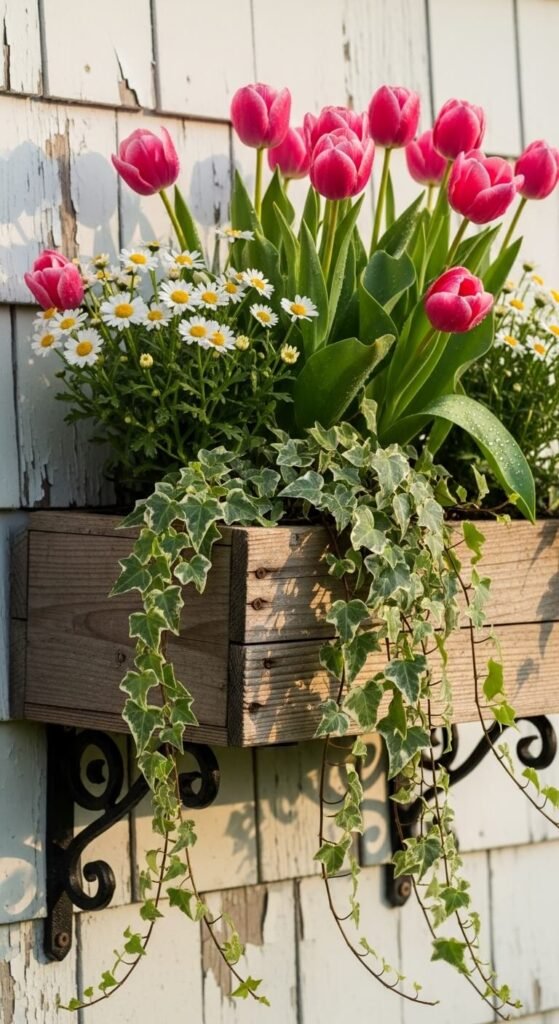
Spring transforms ordinary windows into stunning focal points. Window boxes packed with colorful blooms create instant charm and personality for any home exterior. Whether you rent an apartment or own a house, these planting ideas work on any budget. Most cost under $50 and take less than an hour to arrange. You’ll find simple combinations that thrive with minimal care, plus creative designs that make neighbors stop and stare.
Classic Tulip and Pansy Pairing
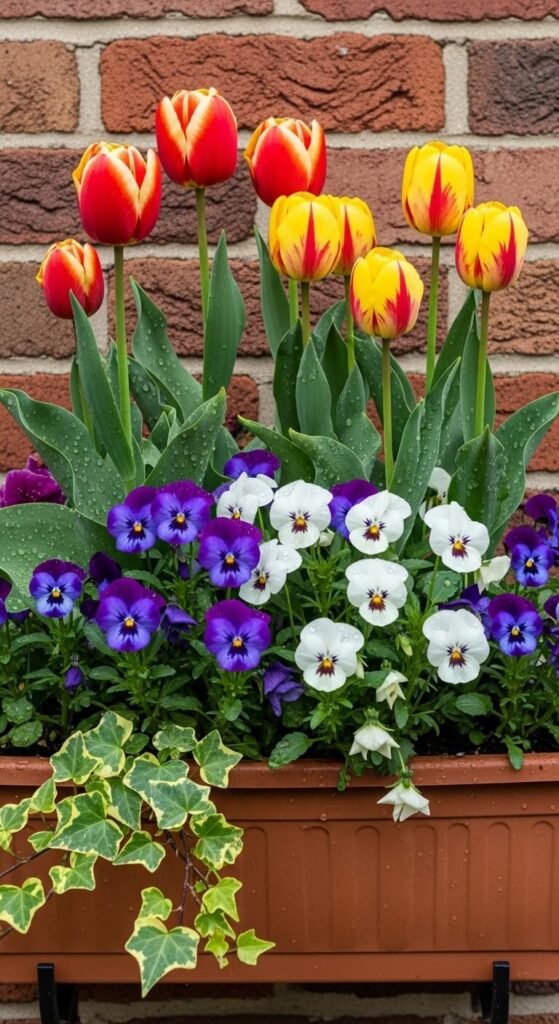
Plant tulip bulbs at the back and pansies up front for a layered look. The tulips add height while pansies spill over the edge. Buy pre-started pansies from a garden center for $2-3 per pack. Place them 4-6 inches apart. Tulips bloom first, then pansies take over as temperatures rise. This combo works in partial shade and handles cool spring mornings. Water when the top inch of soil feels dry. Add slow-release fertilizer once at planting time.
Trailing Ivy and Primrose Mix
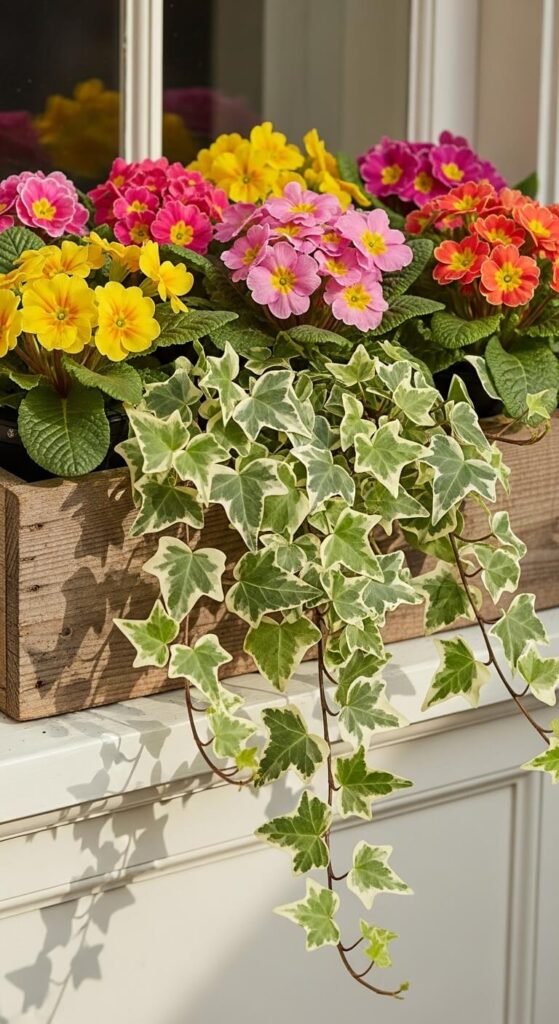
English ivy costs $4-6 per pot and lasts all season. Primroses add pops of color for $3-4 each. Plant three primroses in the center, then tuck ivy along both ends. The ivy grows fast and creates a lush, flowing effect within weeks. Primroses prefer cooler weather and bloom heavily in spring. Pinch off dead flowers to encourage more blooms. This combination needs regular watering but tolerates some neglect.
Sunny Yellow Daffodil Display
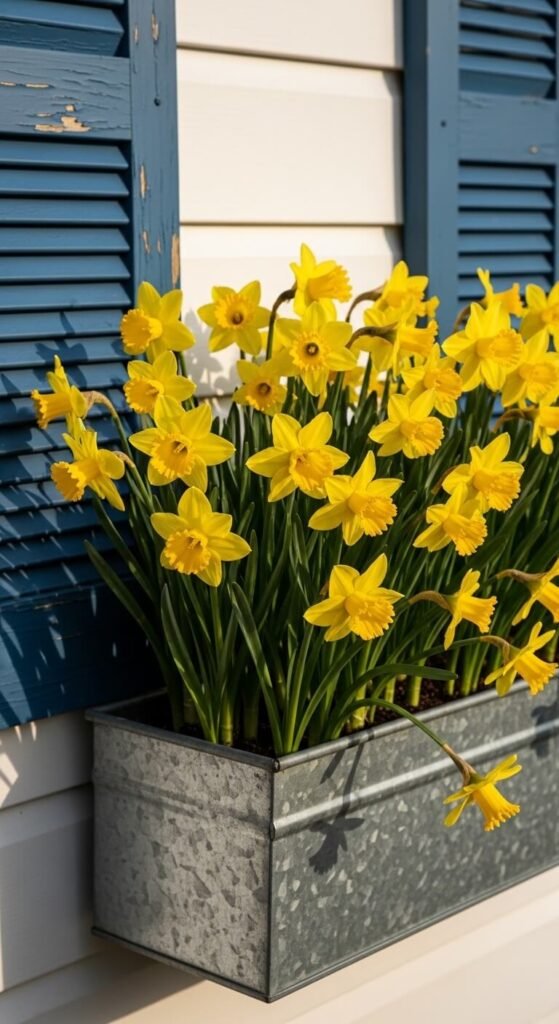
Fill your box with nothing but daffodils for maximum impact. Buy 20-30 bulbs in fall for $10-15, or grab potted ones in spring for instant results. Plant bulbs close together—they don’t mind crowding. Daffodils handle cold snaps and deer won’t eat them. They bloom for 2-3 weeks and require almost no care. Mix different varieties for varied heights and bloom times. Save the bulbs after flowering for next year.
Herb Garden Window Box
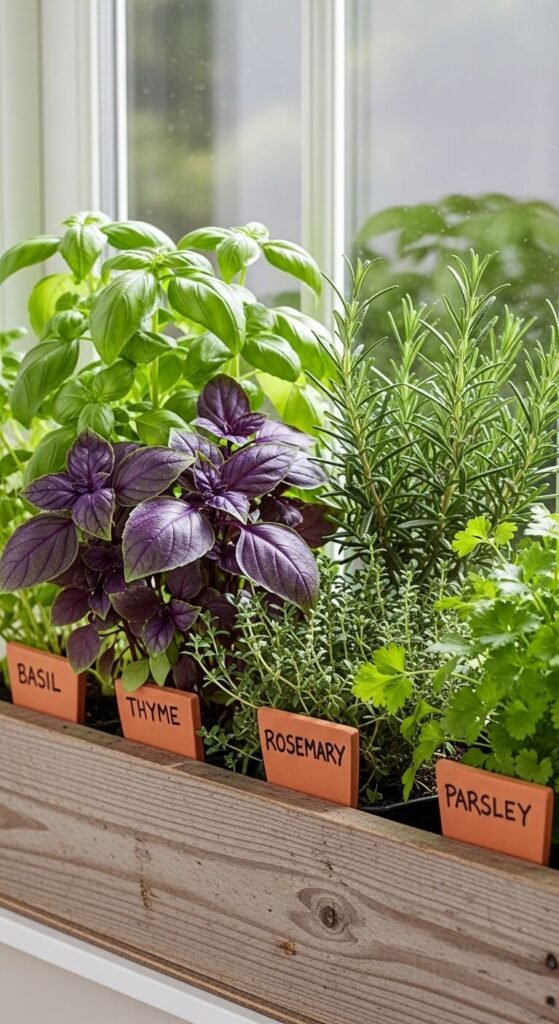
Plant culinary herbs you’ll actually use in cooking. Basil, parsley, cilantro, and chives thrive in window boxes. Buy 4-inch starter plants for $2-3 each at grocery stores. Harvest regularly to keep plants bushy and productive. Herbs need 6+ hours of sun and good drainage. Drill extra holes if your box doesn’t drain well. Snip what you need for dinner and watch new growth fill in. This setup pays for itself in saved grocery trips.
Cottage Garden Romance
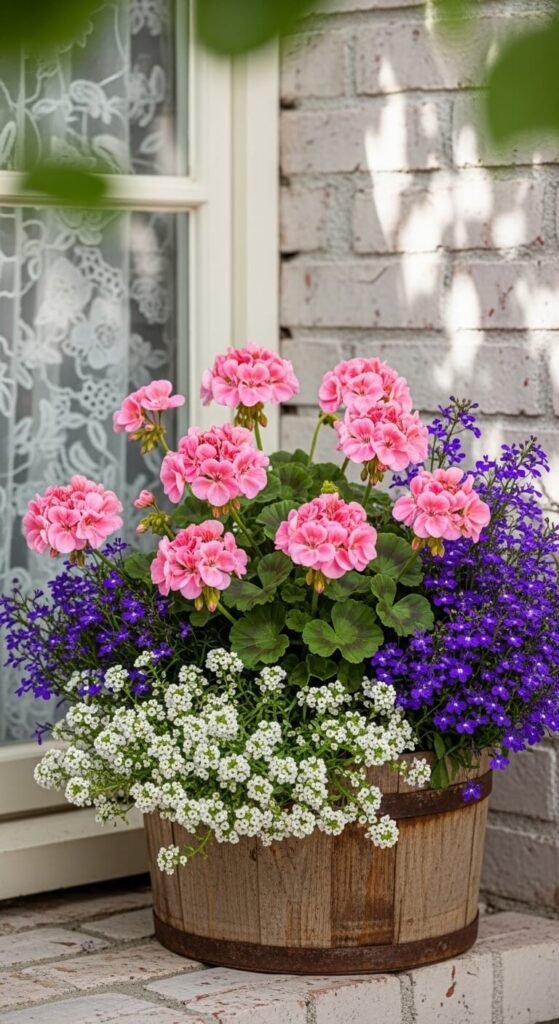
Combine geraniums, alyssum, and lobelia for a dreamy cottage feel. Geraniums provide structure at $5-7 per plant. Alyssum creates a fragrant carpet underneath for $3-4. Trailing lobelia adds cascading color for another $3-4. Space plants 6-8 inches apart. This trio tolerates heat better than many spring flowers. Deadhead geraniums weekly. Water deeply but let soil dry slightly between waterings. The alyssum self-seeds and may return next year.
Bold Red Geranium Statement
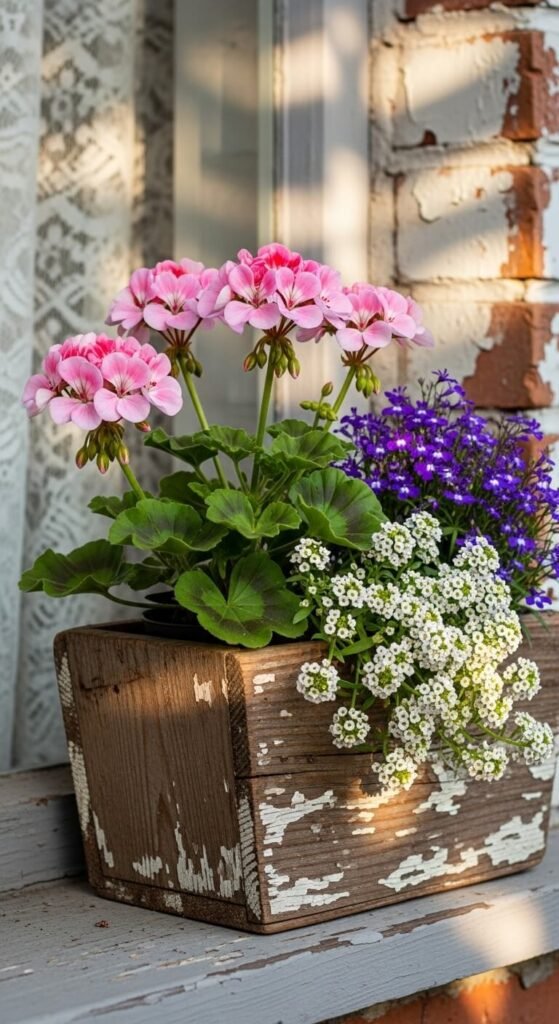
Go monochromatic with all-red geraniums for dramatic flair. Buy 5-7 plants depending on box length. Remove spent blooms twice weekly to keep flowers coming. Geraniums handle neglect better than most annuals. They survive if you forget to water for a day or two. Mix in slow-release fertilizer at planting. Take cuttings in late summer to overwinter indoors. This simple approach never goes out of style.
Pastel Spring Medley
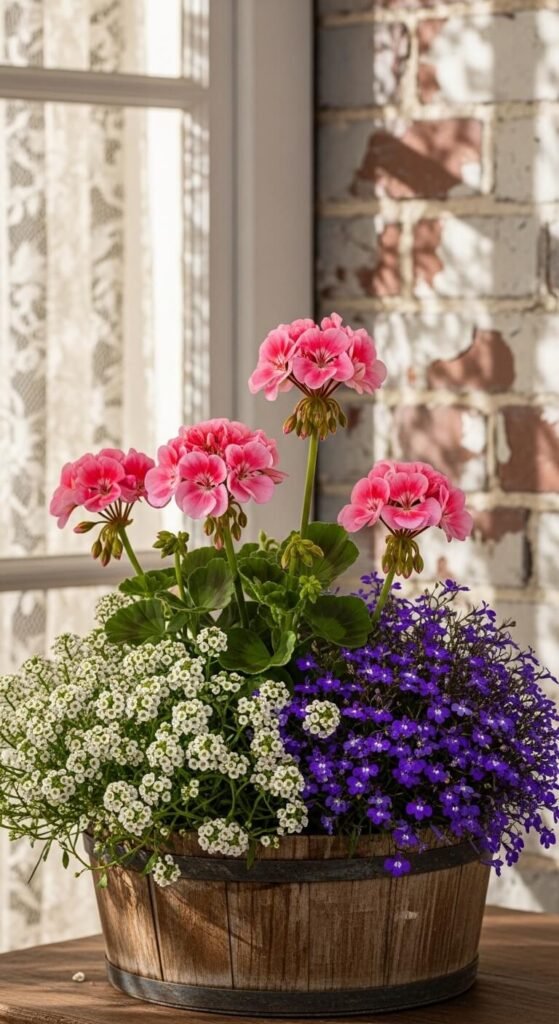
Stick to soft colors for a soothing, elegant display. Choose petunias in blush pink ($4-5), verbena in lavender ($3-4), and white snapdragons ($3-4). Plant snapdragons at the back for height. Petunias go in the middle, verbena trails at the front. This palette works beautifully with any house color. Pinch back petunias when they get leggy. Verbena attracts butterflies and hummingbirds. Water morning or evening to prevent leaf scorch.
Succulent Spring Collection
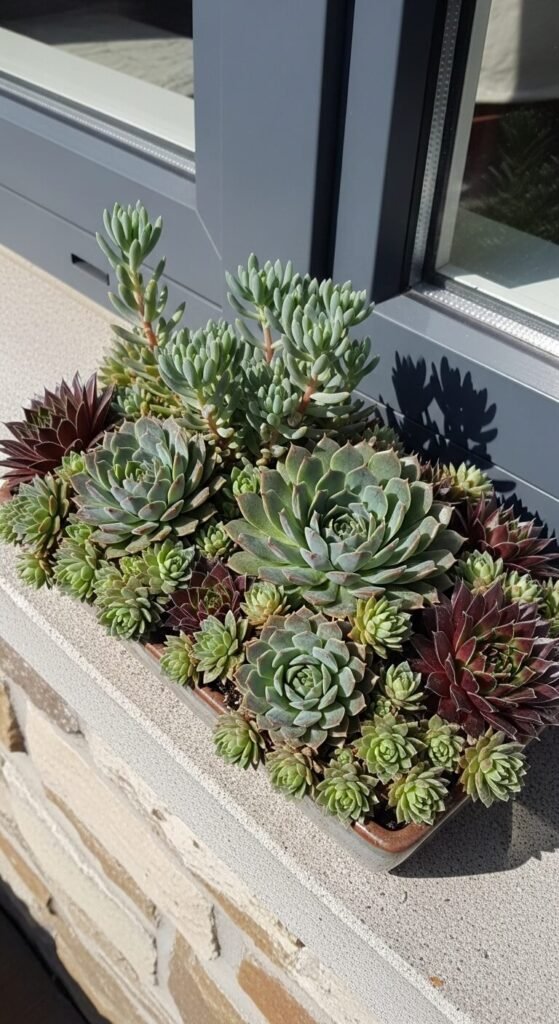
Try succulents for a modern, low-maintenance option. Buy a variety pack with 6-10 small succulents for $15-20. They need excellent drainage—mix regular potting soil with equal parts sand or perlite. Succulents survive on weekly watering and handle full sun. They won’t freeze in late spring frosts. Arrange them close together for a lush look that fills in over months. Many varieties change color in cooler weather.
Wildflower Meadow Box
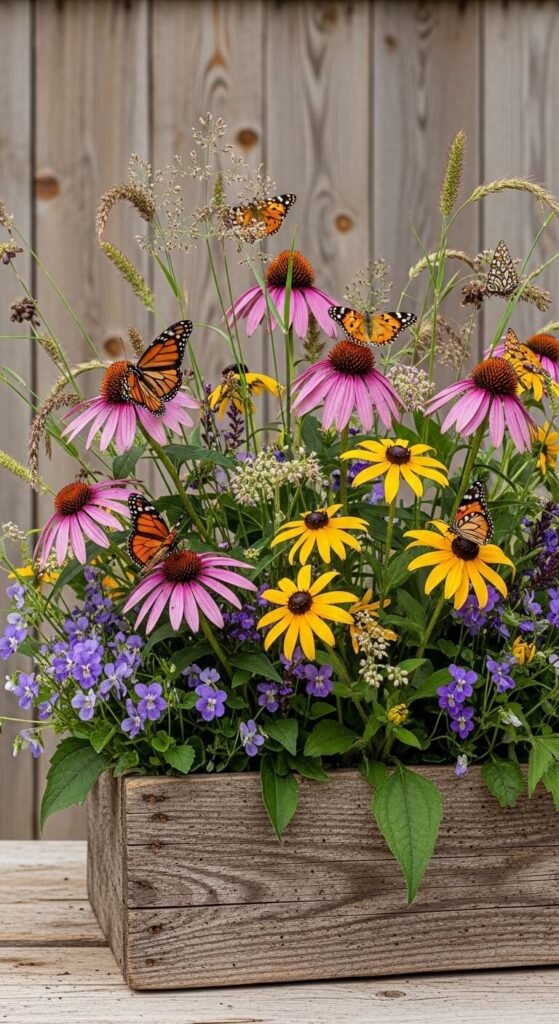
Scatter wildflower seeds directly in your window box for $5-8 per packet. Mix species that bloom at different times. Wildflowers need less fertilizer than cultivated varieties. They attract beneficial insects and pollinators. Thin seedlings to prevent overcrowding. Let some flowers go to seed for continuous blooms. This approach works great for rental properties where you can’t plant in the ground. Water regularly until established, then cut back.
Boxwood and Bulb Combo
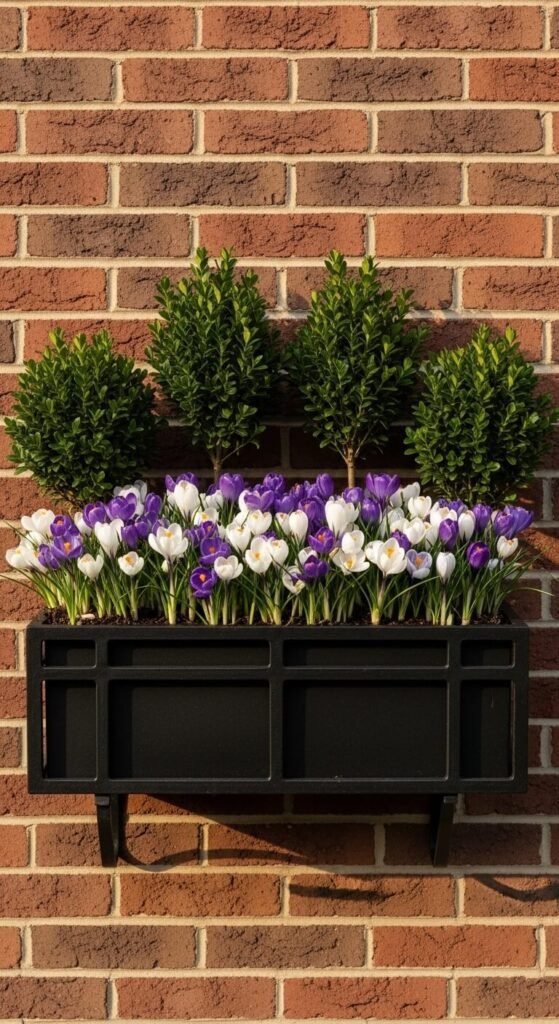
Plant dwarf boxwoods ($8-12 each) at both ends for year-round structure. Fill the middle section with early spring bulbs like crocuses or grape hyacinths. The boxwoods stay green through all seasons while bulbs provide spring color. Trim boxwoods into balls or leave them natural. After bulbs fade, tuck in summer annuals. This formula creates a polished, upscale appearance. Boxwoods need minimal care and survive winter in the box.
Bright Orange Marigold Mix
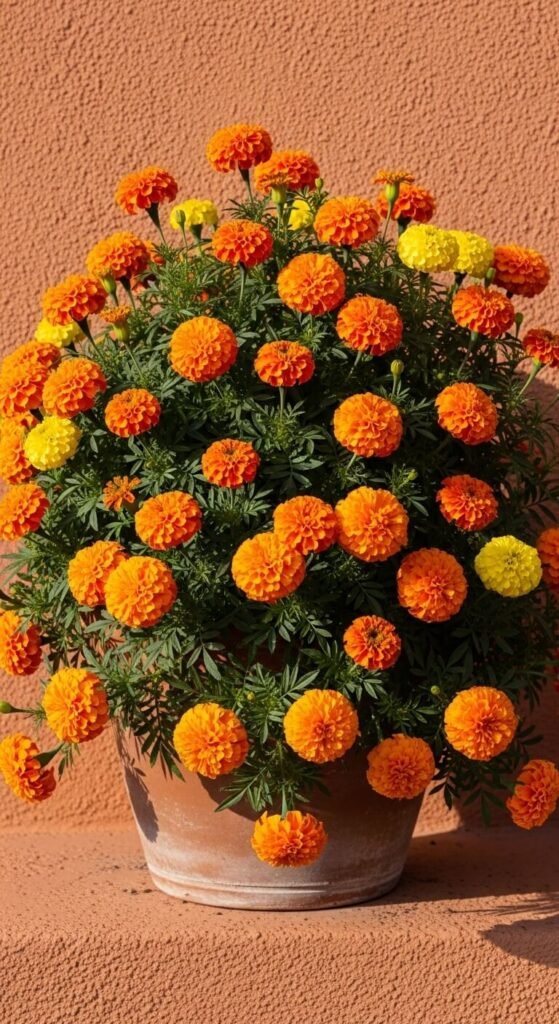
Marigolds offer maximum color for minimum money—6-packs cost $2-3. Plant them densely for a full look within two weeks. They repel some garden pests and smell distinctly spicy. Marigolds tolerate heat, drought, and poor soil. Deadhead weekly or let spent flowers drop naturally. They self-seed readily in warm climates. Mix French marigolds (short) with African marigolds (tall) for dimension. These workhorses bloom until hard frost.
White Petunias and Silver Dust
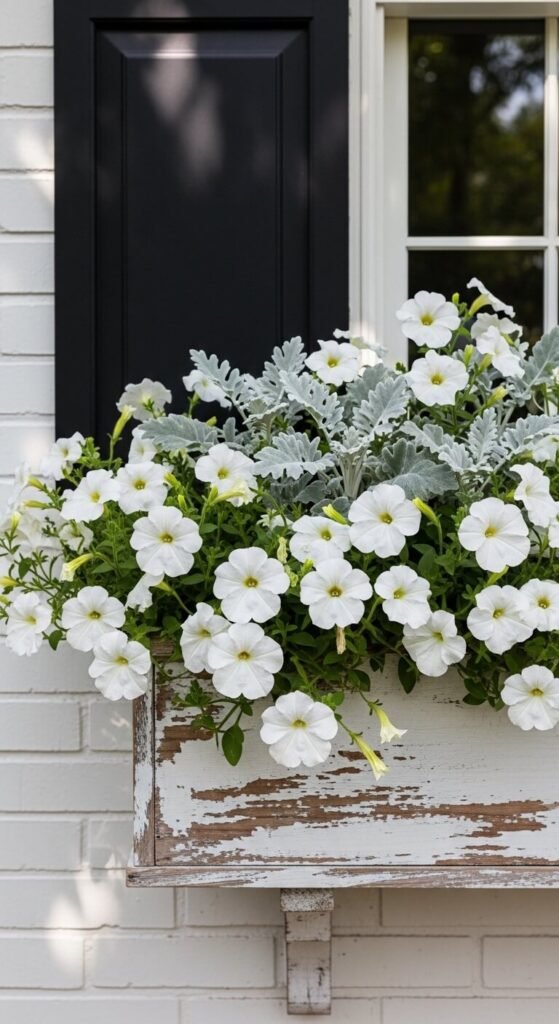
Create a sophisticated look with all-white flowers and silver foliage. Wave petunias spread quickly and cover a lot of space for $5-6 per plant. Dusty miller adds texture with its fuzzy, silvery leaves for $3-4. Plant two petunias and three dusty millers in a standard box. This combination glows in evening light and works with any architectural style. Both plants handle full sun and heat. Cut back petunias mid-season if they get straggly.
Cheerful Daisy Garden
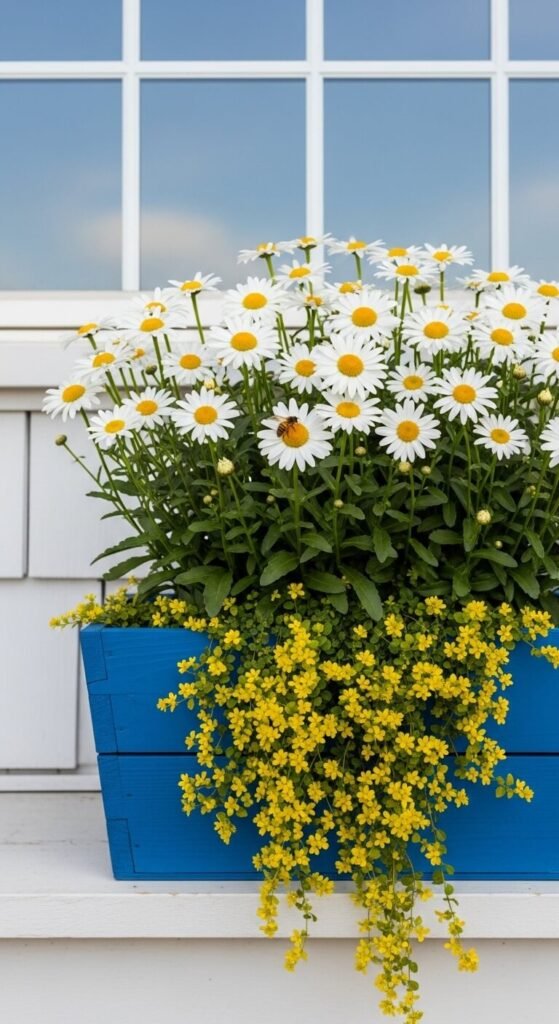
Plant Shasta daisies for that classic, cheerful flower look. Buy three plants for $4-5 each from a nursery. Add creeping Jenny ($3-4) at the front for a bright yellow waterfall effect. Daisies bloom repeatedly if you deadhead regularly. They prefer full sun but tolerate partial shade. Creeping Jenny grows aggressively—trim it back when it gets too long. This pairing stays green and attractive even between bloom cycles.
Purple Petunia Cascade
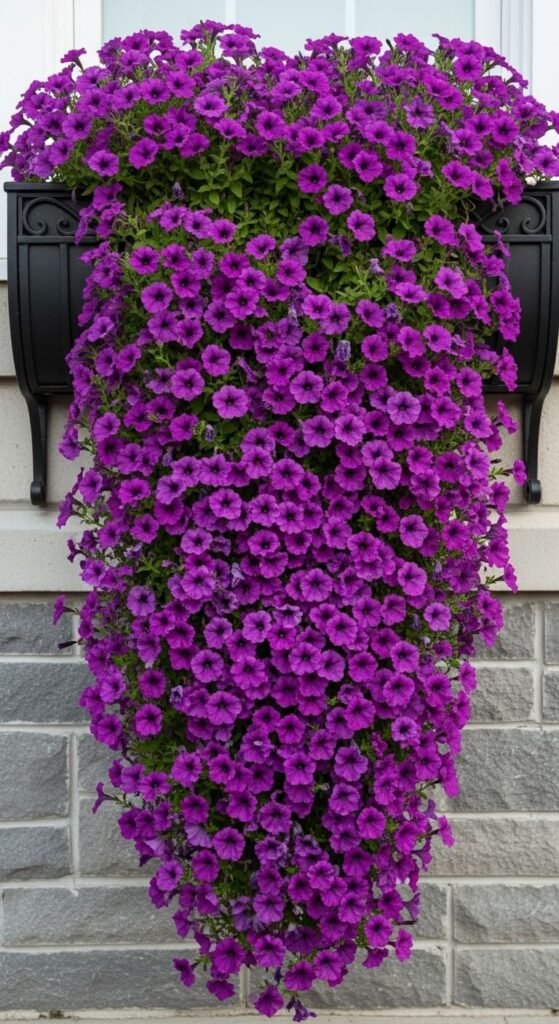
Choose wave or surfinia petunias specifically bred to trail dramatically. One or two plants ($5-7 each) will fill a 24-inch box completely. They grow fast and bloom constantly with almost no deadheading. Feed weekly with diluted liquid fertilizer mixed into water. Purple varieties show up beautifully from the street. Trim back by one-third in July if growth becomes excessive. These petunias can cascade three feet or more by late summer.
Rainbow Pansy Array
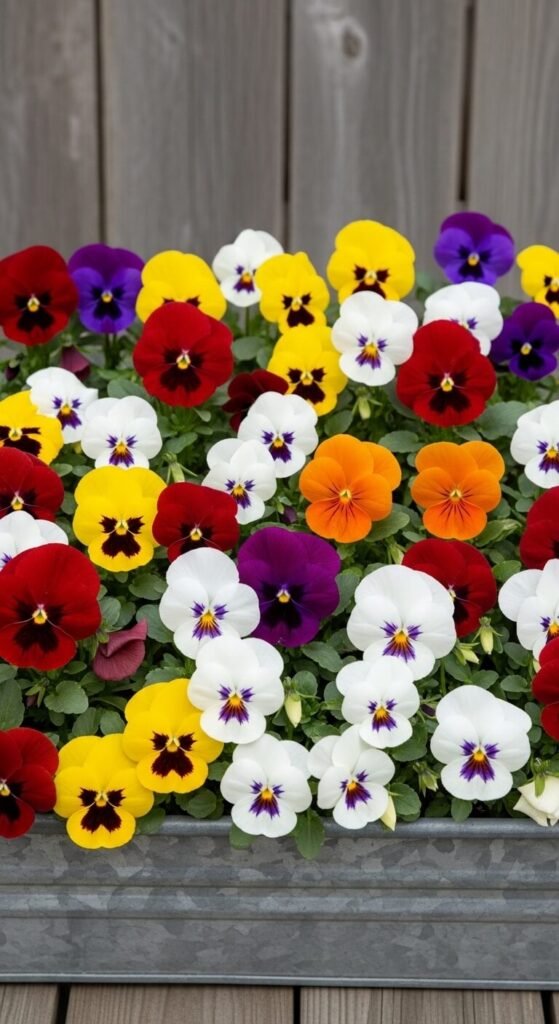
Buy a flat of mixed-color pansies (18-24 plants) for $15-20. Plant them shoulder-to-shoulder for immediate fullness. Pansies bloom heavily in cool weather and can handle light freezes. Remove faded flowers every few days. This rainbow approach brings joy to gray spring days. Pansies slow down in summer heat but may rebloom in fall. Feed them every two weeks with half-strength fertilizer. They’re perfect for impatient gardeners who want instant color.
Fern and Impatiens Shade Box
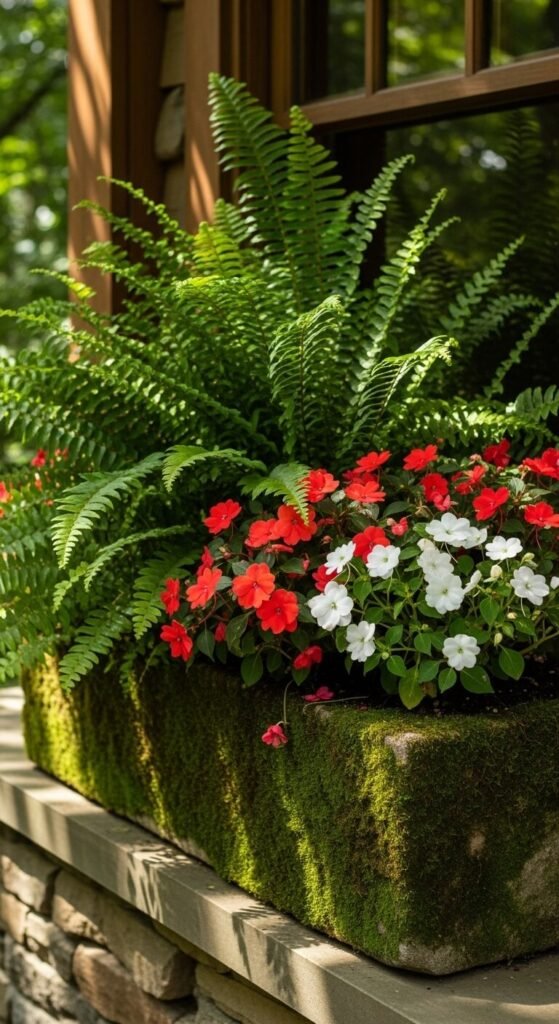
For north-facing or shaded windows, pair ferns with impatiens. Buy one Boston fern ($8-10) for the center and surround it with 4-6 impatiens ($2-3 each). Both plants love shade and moisture. This combination creates a lush, tropical vibe. Keep soil consistently moist but not soggy. Impatiens bloom all season without deadheading. The fern adds elegant texture and grows fuller each month. Bring the fern indoors before the first freeze.
Clematis and Calibrachoa Combination
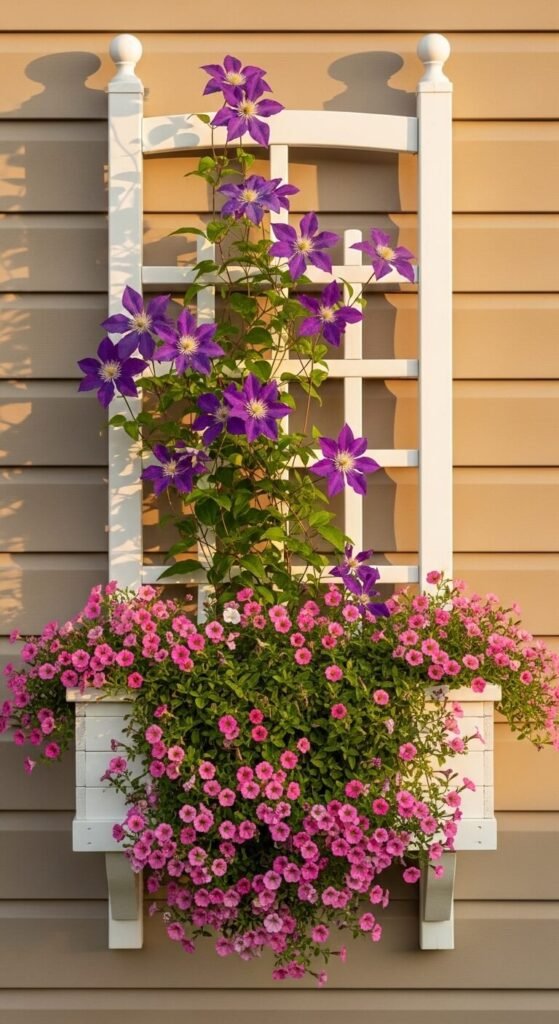
Insert a small trellis behind your window box and plant a clematis vine ($12-15). Fill the box with trailing calibrachoa ($4-5 each) in complementary colors. The clematis adds height and drama while calibrachoa spills over the edge. Both bloom profusely in spring and summer. Clematis roots stay cool in the box while vines grow upward. Calibrachoa handles heat better than petunias and needs no deadheading. Water daily during hot spells.
Edible Flower Collection
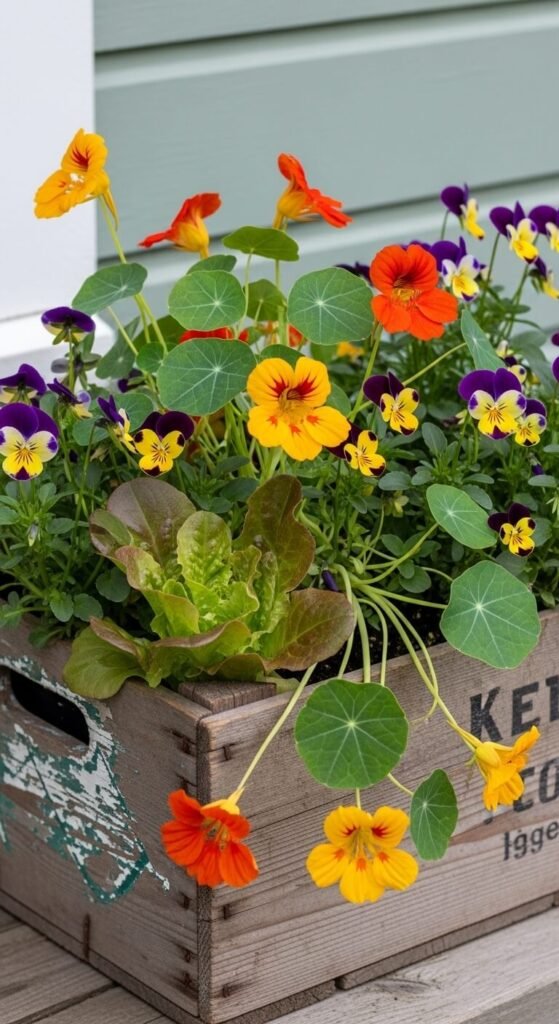
Plant flowers you can eat for beauty and function. Nasturtiums ($2-3 per pack of seeds), Johnny jump-ups ($3-4), and violas all taste peppery or sweet. Add them to salads or freeze in ice cubes. Sow nasturtium seeds directly in the box—they germinate in 7-10 days. These flowers attract pollinators and beneficial insects. They prefer moderate temperatures and may slow down in summer heat. Harvest regularly to encourage more blooms and tender leaves.
Striped Petunias and Ivy
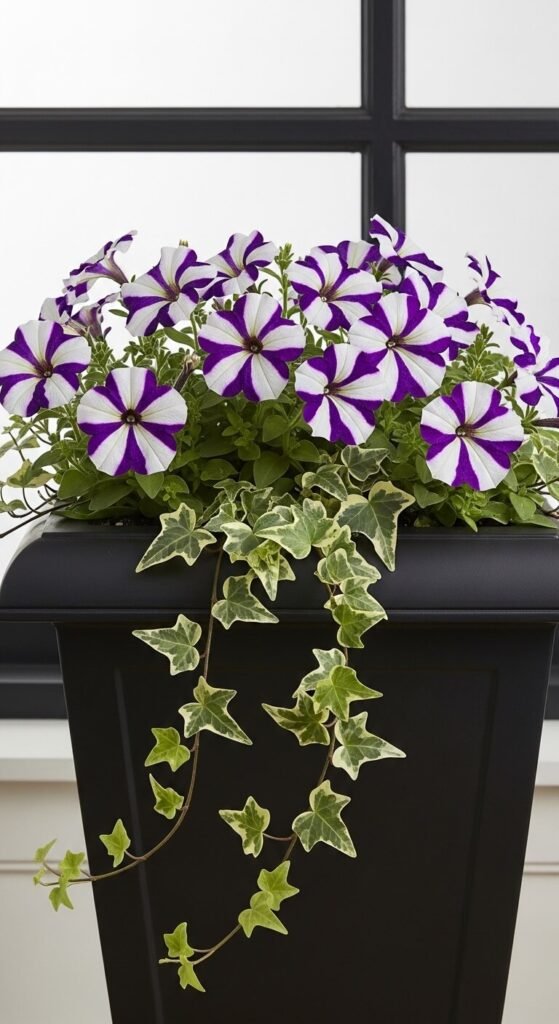
Look for unique striped or patterned petunias ($5-7 each) for visual interest. Pair with variegated ivy ($4-6) that echoes the stripes. Plant two or three petunias with ivy at both ends. The pattern draws eyes from the street. Striped varieties need the same care as solid colors. This combo works in both sun and partial shade depending on varieties chosen. The ivy fills in quickly and softens hard edges.
Snapdragon Spring Tower
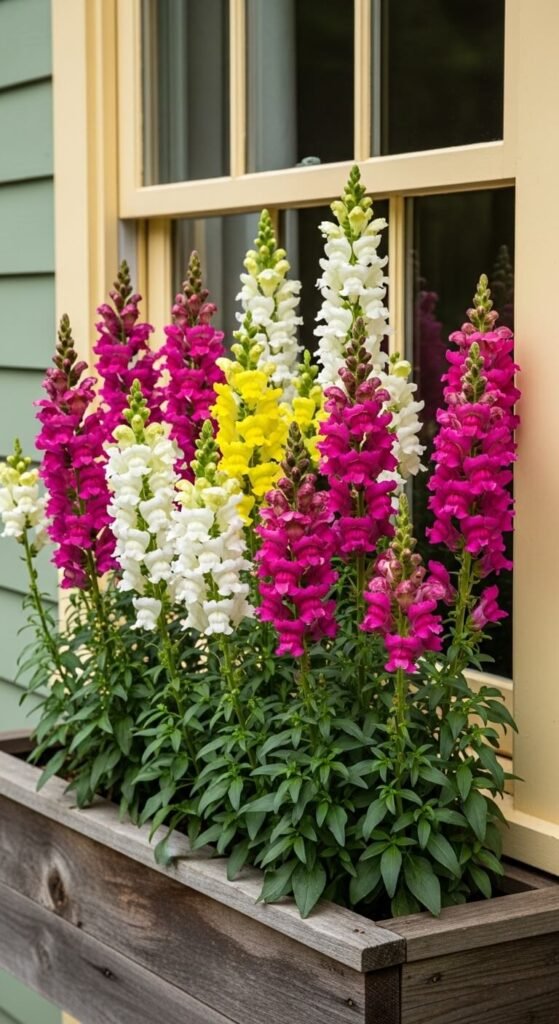
Plant all snapdragons for a vertical spectacle. Buy tall varieties ($3-4 per plant) in mixed colors. They grow 18-24 inches tall and fill space upward instead of outward. Snapdragons bloom longer in cool weather. Deadhead by cutting stem above lower leaves—you’ll get a second flush of flowers. They may self-seed for surprise volunteers next year. Kids love the “snapping” motion when you squeeze the flower. This old-fashioned favorite never disappoints.
Colorful Coleus Foliage
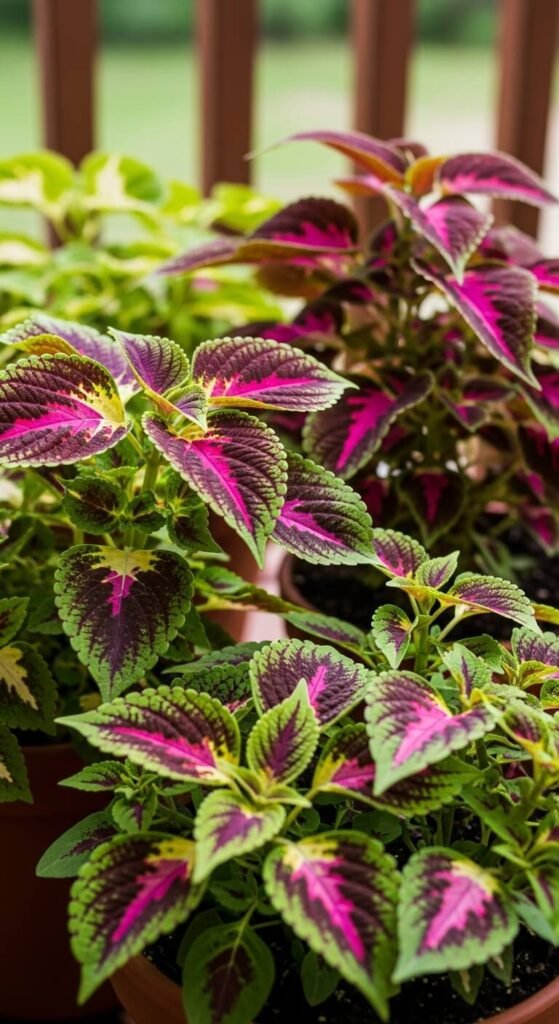
Skip flowers entirely and use coleus for bold color. Buy three different colored coleus ($4-5 each) and plant them together. Their leaves come in wild color combinations—pink and green, burgundy and yellow, lime and purple. Coleus prefers partial shade and stays colorful all season. Pinch off flower spikes to keep energy in foliage. This option works perfectly for areas with limited sun. Cut back leggy stems anytime. Take cuttings in fall to grow indoors through winter.
Classic White Begonia Box
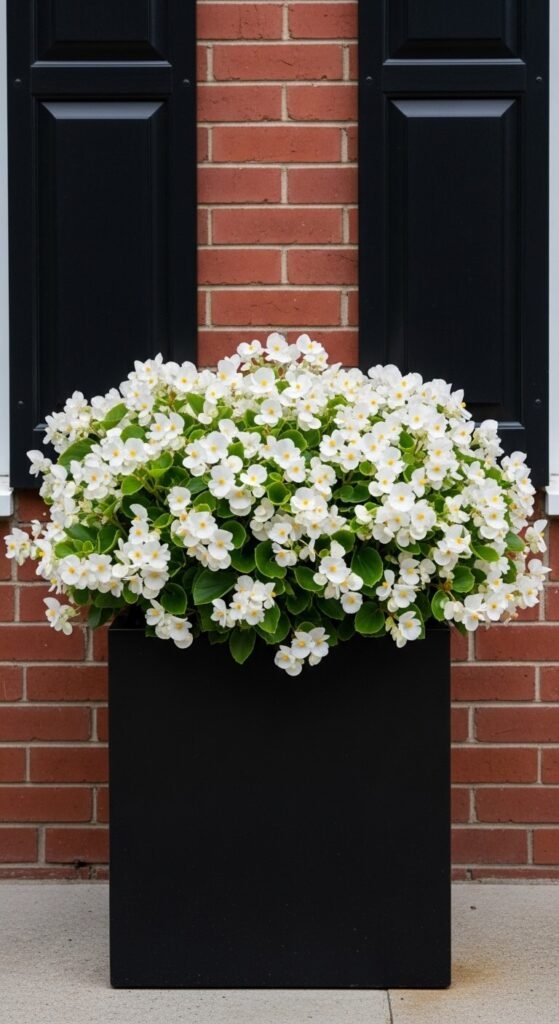
Begonias provide reliable color in shade or sun. Buy 5-7 white begonias ($3-5 each) for a clean, classic look. They bloom continuously without deadheading. Begonias tolerate more drought than impatiens but appreciate regular water. The waxy leaves resist pests and diseases. White varieties brighten dark corners and glow in evening light. Feed monthly with balanced fertilizer. These plants stay compact and tidy all season. Dig up tubers before frost to save for next year.
Conclusion
Spring window boxes transform any home into a welcoming space that makes people smile. You don’t need a huge budget or expert skills to create something beautiful. Start with one or two plant combinations that match your sun exposure and maintenance schedule. Pick up plants on sale at local nurseries and garden centers. Remember to drill drainage holes, use quality potting mix, and water regularly until plants settle in. Your window boxes will reward you with months of color and can be changed out seasonally. Grab your gloves and get planting this weekend.