There’s something almost magical about walking into a room that just feels warm — not because of the temperature, but because of the light. That golden, glowy atmosphere you see all over Pinterest? It’s not an accident, and it’s not expensive. It’s all about layering your lighting the right way. This spring, you can transform any room from flat and forgettable into a cozy, sun-kissed retreat — and it’s easier than you think.
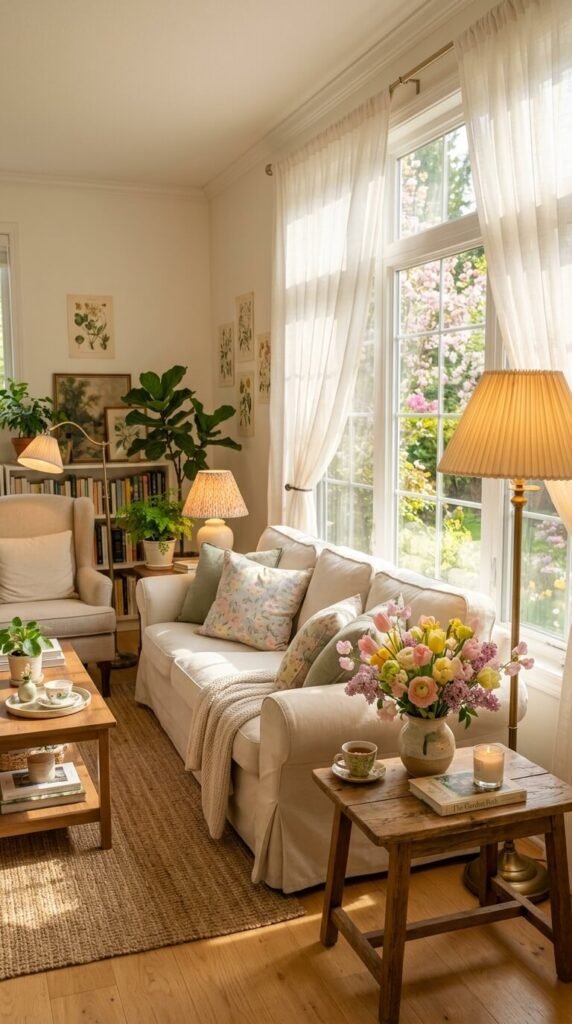
Why Lighting Layers Matter
Most rooms rely on a single overhead light — and that’s exactly why they feel harsh or lifeless. Layered lighting works by combining three types of light sources: ambient (general light), task (functional light), and accent (decorative light). When all three work together, the result is a room that feels lived-in, warm, and intentional.
Think of it like baking: one ingredient alone doesn’t make the cake. It’s the combination that creates something beautiful.
Step 1: Start with Soft Ambient Light
Your ambient light is your base layer — it sets the overall mood of the room. For spring, you want to move away from cool, bright overhead bulbs and lean into warmth.
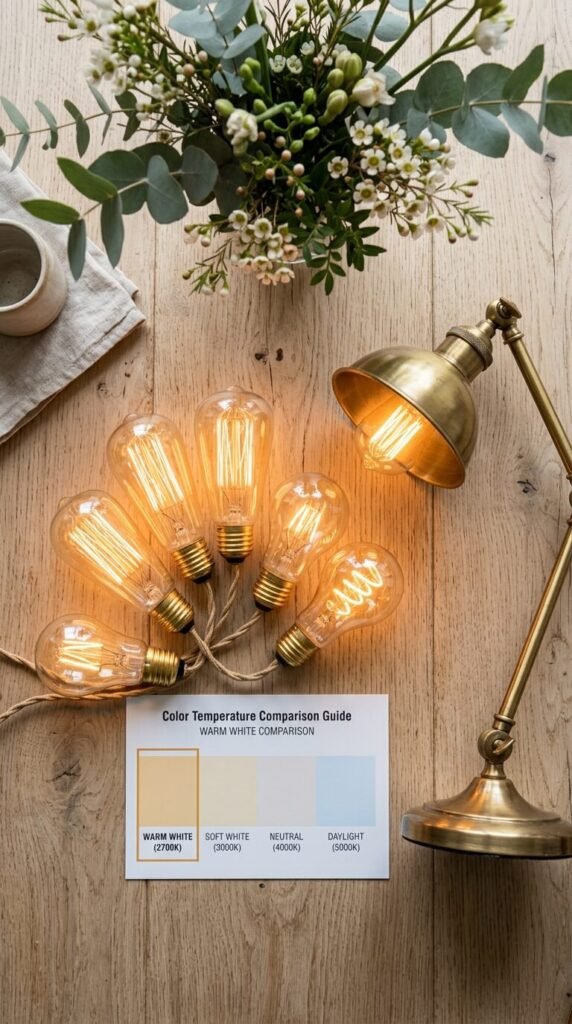
- Swap bulbs to warm white (2700K–3000K). This single change makes an enormous difference.
- Use a dimmer switch so you can adjust the intensity throughout the day.
- Opt for diffused fixtures — think frosted glass pendants or fabric drum shades — rather than bare bulbs that cast harsh shadows.
If you have natural light streaming in, let it do the heavy lifting during the day. Sheer linen curtains filter sunlight into that dreamy, golden-hour glow without blocking it out.
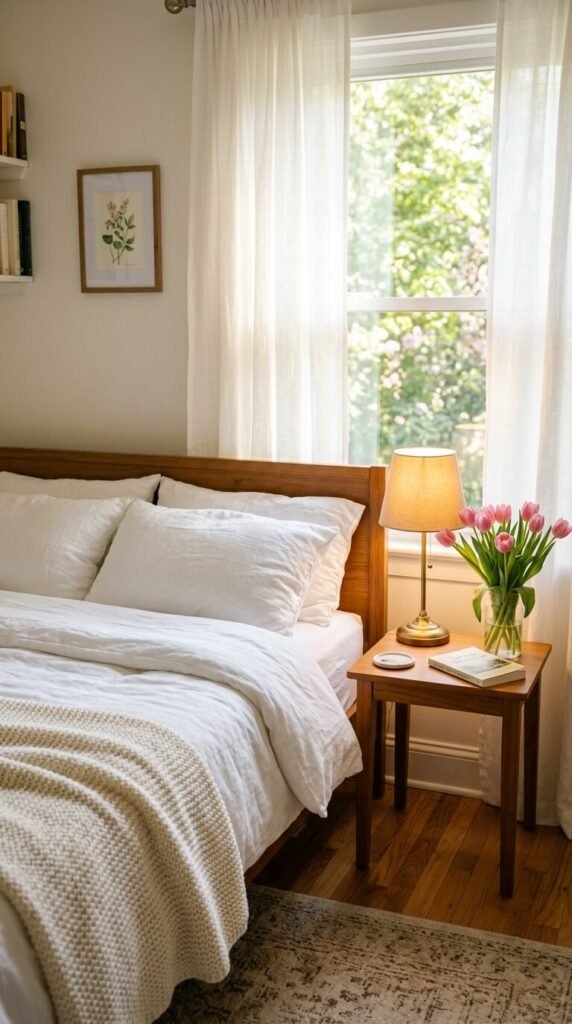
Step 2: Add Task Lighting with Personality
Task lighting doesn’t have to be boring. In a spring-layered room, it’s your opportunity to add character while keeping things functional.
- Place a brass or warm-toned table lamp on a side table or desk.
- Use wall-mounted sconces to free up surface space and add visual height.
- In the kitchen, under-cabinet lights in a warm tone create a soft glow that feels intimate rather than clinical.
The key is placement: task lighting should sit at eye level or below, drawing the eye down and creating that enveloping, cozy feel.
Step 3: Layer in Accent Lighting for Depth
This is where the magic really happens. Accent lighting adds dimension — it creates pockets of warmth that make a room feel dynamic rather than flat.
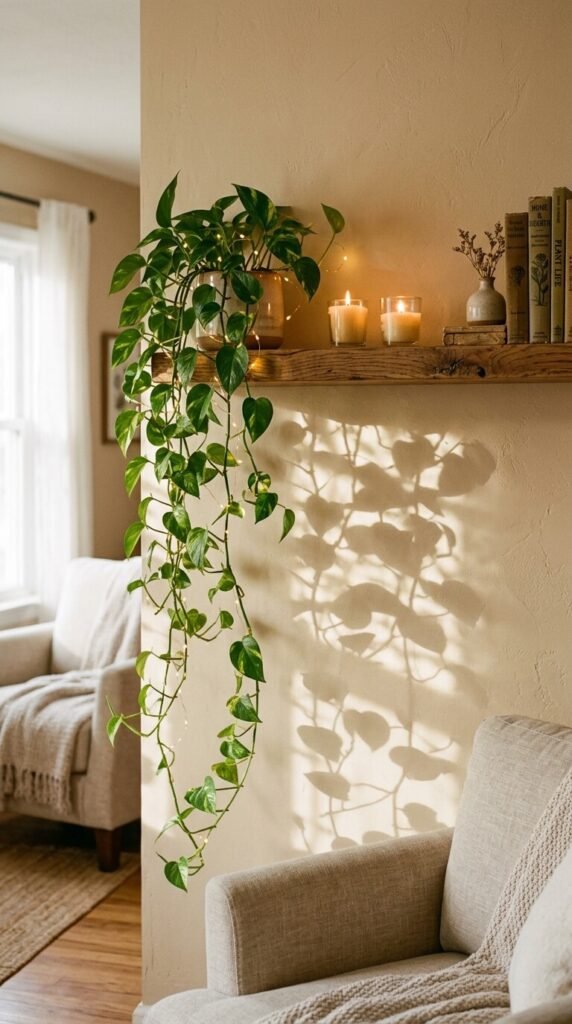
- String lights or fairy lights draped along a shelf or window frame add a soft, twinkling glow that screams spring evenings.
- Candles (real or flameless) grouped in clusters instantly elevate a coffee table or mantle.
- Uplighting behind plants — a small spotlight or LED strip directed upward through a leafy houseplant — casts the most beautiful dappled shadows on the wall.
Don’t overlook the floor lamp in the corner either. Tucking a warm arc lamp into an unused corner lifts the whole room and eliminates those dead, dark zones that flatten a space.
Step 4: Think About Color Temperature Consistency
One of the most overlooked layering mistakes is mixing cool and warm bulbs in the same room. It creates a visual tension that feels off — even if you can’t immediately identify why.
- Stick to bulbs between 2700K and 3000K throughout the entire space.
- Avoid cool white or daylight bulbs (5000K+) in living and bedroom spaces.
- Check that your lamps, overhead fixtures, and accent lights all read the same warm tone when switched on together.
Step 5: Bring It Together at “Golden Hour”
Once your layers are in place, do a test run at dusk — the time when natural light fades and your interior lighting takes over. Walk into the room fresh and notice what you feel.
- Does it feel warm and inviting, or still too bright and flat?
- Are there dark corners that need one more layer?
- Does every light feel like it belongs together?
Adjust, dim, and rearrange until the room wraps around you like a warm blanket.
Your Spring Glow Is Waiting
Layering spring lighting isn’t about spending a fortune on new fixtures — it’s about being intentional with what you already have. Swap a bulb, add a candle cluster, tuck a lamp in a corner, and let the sheer curtains do their thing. Small shifts, big atmosphere.
Save this guide and come back to it every time a room feels “off” — because it probably just needs another layer of light.