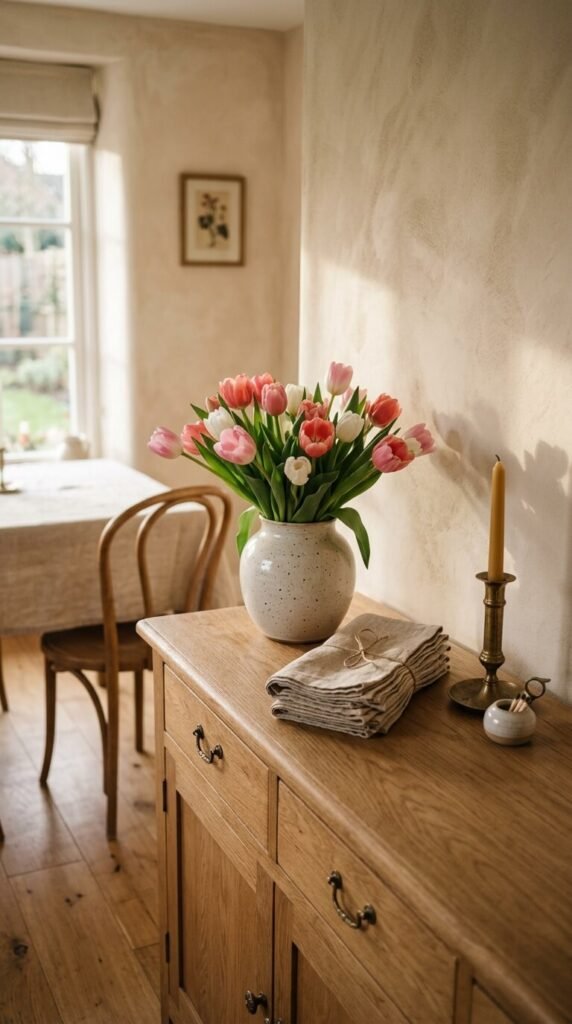
Spring asks for a little reset, and your sideboard is the easiest place to start. This flat surface holds more design power than almost any other spot in your home — it’s the first thing guests notice and the last thing you touch before dinner. A few swapped pieces, a new color story, and some seasonal greenery can turn a tired console into the anchor your room has been missing. Below are simple, budget-friendly ways to style your sideboard for spring, no redesign degree required.
1. Start With a Clean Slate
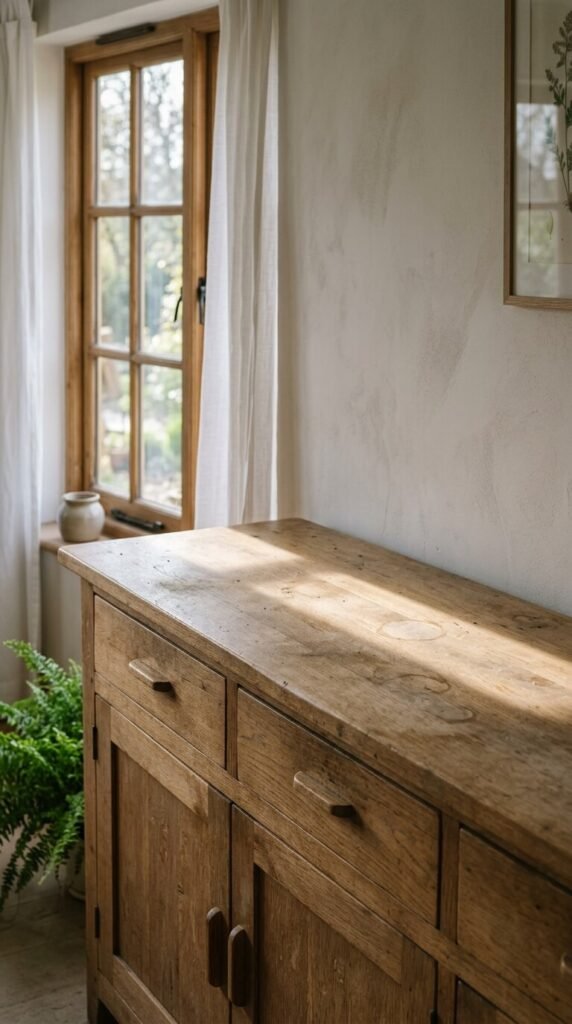
Before adding anything new, clear the whole top. Every candle, frame, and dish — gone. This gives you a real look at scratches, water rings, or clutter you forgot about. Wipe the surface down with a gentle cleaner made for wood or laminate. Starting empty stops you from just piling spring items on top of winter leftovers. It also helps you see the actual shape and size of your sideboard, which makes planning your new layout easier. A clean slate costs nothing and instantly makes the next steps look sharper.
2. Choose a Simple Color Story
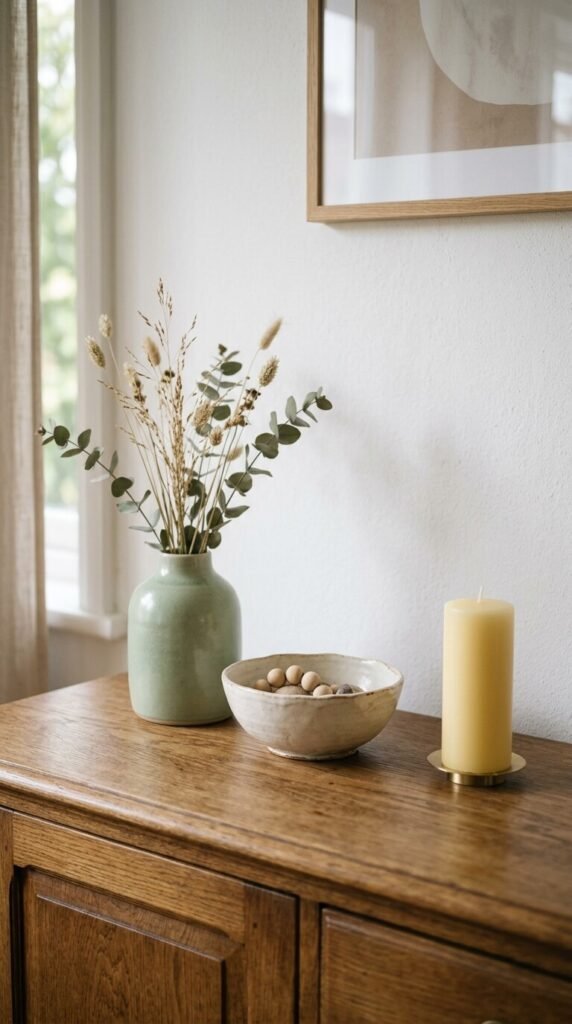
Pick two or three spring colors and stick with them. Think sage green, soft yellow, blush pink, or warm terracotta. Buying matching items isn’t required — a candle in one shade and a vase in another can still feel connected if the tones are close. This small rule keeps your sideboard from looking cluttered or random. Limiting your palette makes even thrifted or mismatched pieces look intentional. Try pulling a color from a nearby rug or artwork so the whole room feels linked together.
3. Bring in a Low Centerpiece
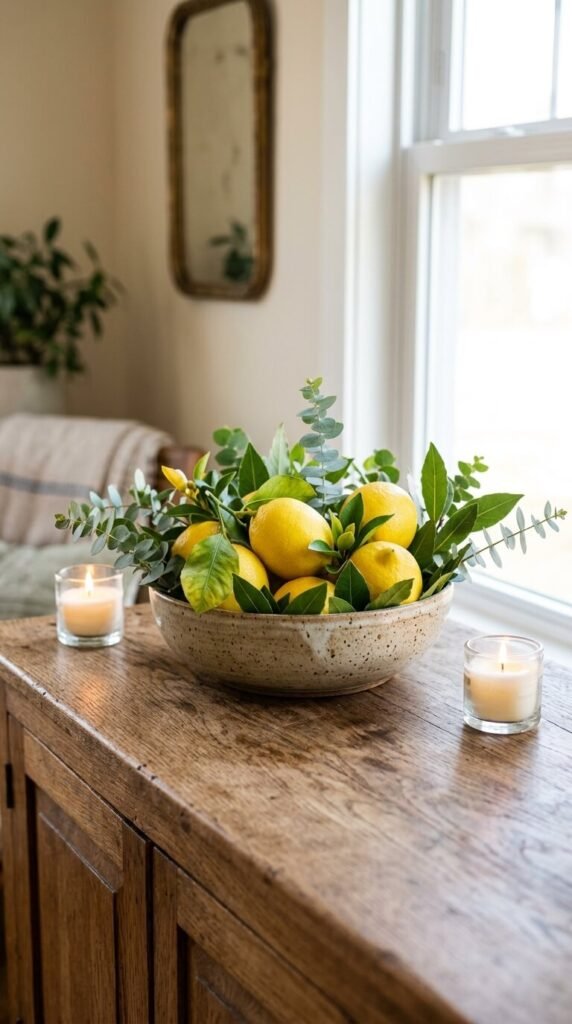
A tall centerpiece can block sightlines and feel heavy. Swap it for something low and wide instead. A shallow bowl with lemons, a dish of greenery, or a wide vase with short stems all work well. This keeps the eye moving across the whole surface instead of stopping at one tall object. A low centerpiece also pairs nicely with mirrors or art hung above, since nothing blocks the reflection or frame. Try a $10 bowl from a thrift store filled with fruit for an easy, affordable option.
4. Add Asymmetry With Odd Numbers
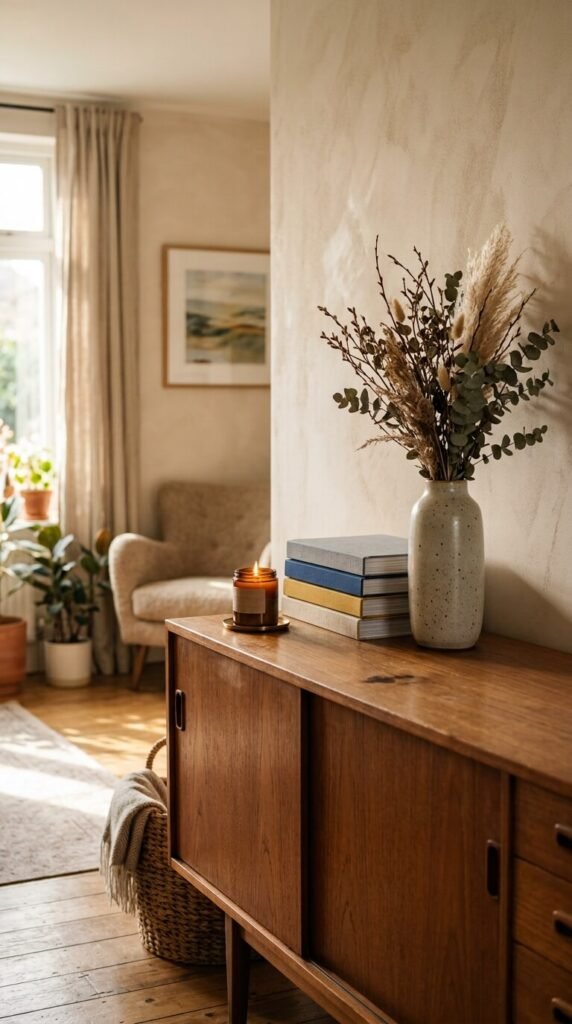
Symmetry can feel stiff, especially in spring. Try grouping items in odd numbers like three or five instead of even pairs. Vary the heights too — tall vase, medium books, short candle. This creates a natural rhythm that feels relaxed rather than formal. Odd-numbered groupings are a trick designers use constantly because they mimic how things sit in nature. Start small: move one item off-center and see how much more interesting the whole top looks compared to a perfectly matched pair.
5. Layer With a Runner or Tray
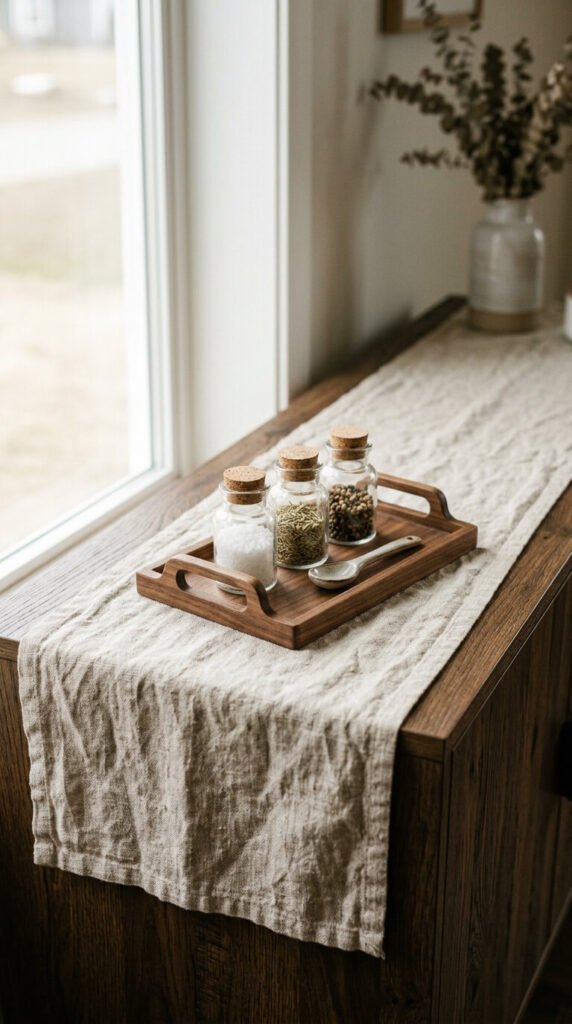
A runner or tray adds a base layer that grounds your other pieces. It also protects the surface from scratches and spills. Choose a light linen runner for spring, or a woven tray in a neutral tone. Group your smaller items — candles, small plants, dishes — directly on the tray so they read as one collection instead of scattered pieces. A simple tray costs very little and makes cleanup easier too, since you can lift the whole grouping to dust underneath.
6. Swap in Fresh or Faux Greenery
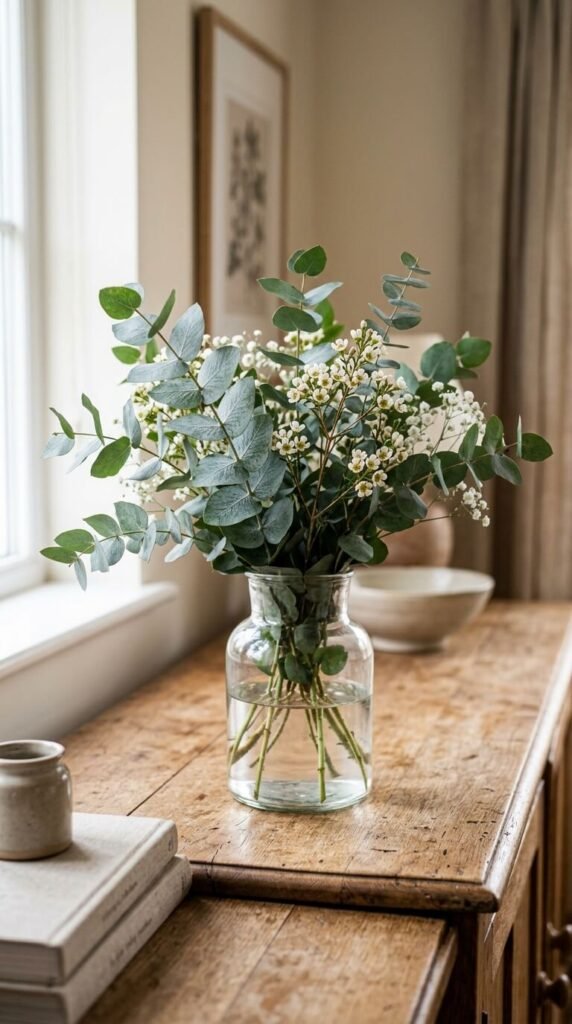
Nothing says spring like greenery. Fresh stems from a grocery store work fine, and they don’t need to be fancy — eucalyptus, olive branches, or tulips all bring life to a flat surface. If fresh flowers aren’t practical, a quality faux stem can last for years. Greenery softens hard edges and adds natural color without much effort. Trim stems at an angle before placing them in water, and change the water every few days to keep everything looking fresh longer.
7. Hang Art or a Mirror Above
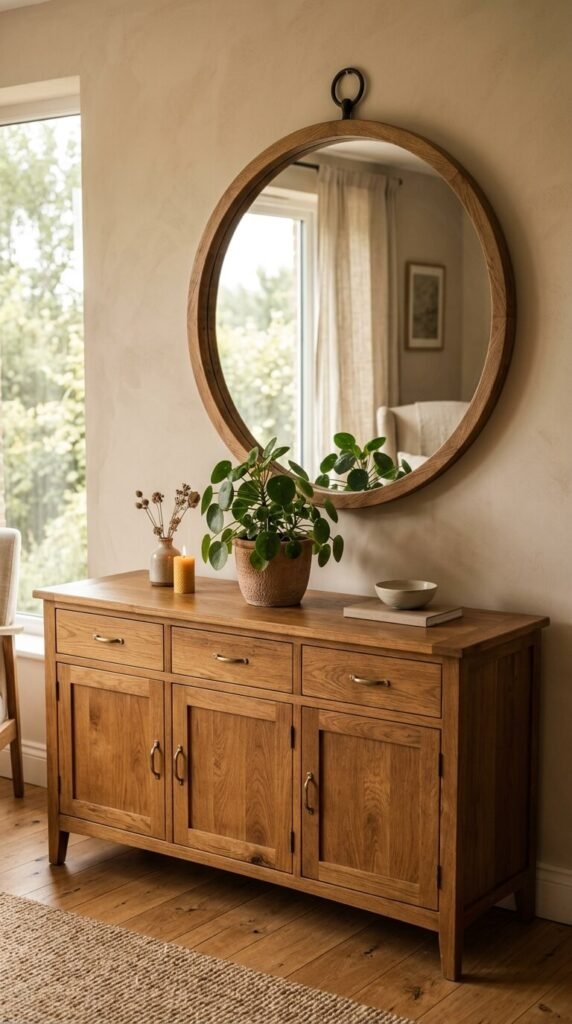
The wall above your sideboard matters as much as the surface itself. A mirror bounces light around the room and makes the space feel bigger. Art adds color and personality instead. Either way, hang it so the bottom edge sits about six to eight inches above your tallest sideboard item. This gap keeps things from feeling cramped. A budget mirror from a secondhand shop can look expensive with the right frame, especially in gold or black tones that pop against light walls.
8. Use Candles for Warmth
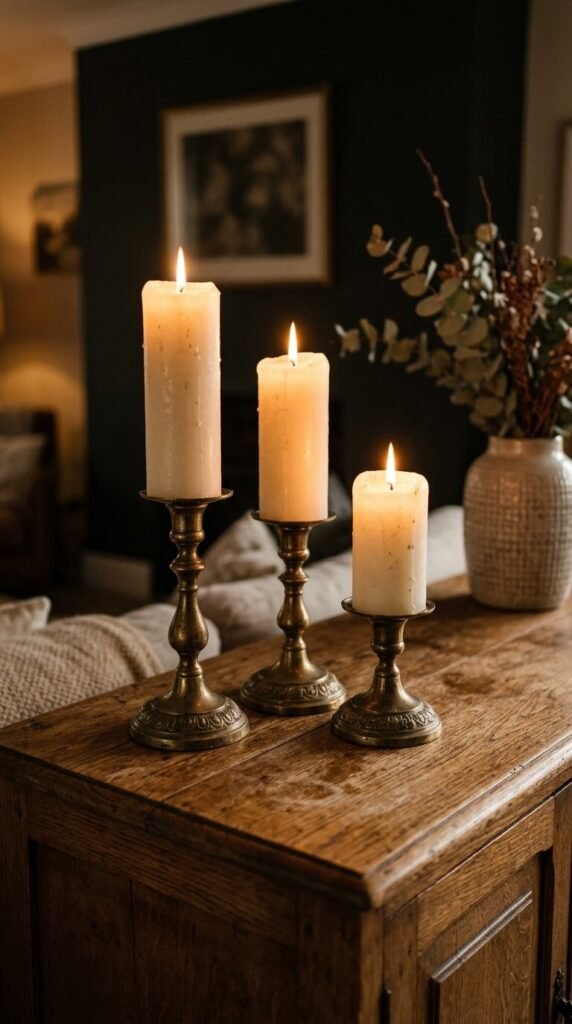
Candles add texture and a little glow without taking up much visual space. Group two or three at different heights for interest. Stick with cream, sage, or soft pastel colors to match a spring palette. Unlit, they still add shape and softness to the arrangement. Cluster your candles on a small tray so wax drips stay contained and cleanup stays simple. Dollar-store pillar candles paired with a thrifted brass holder can look just as good as pricier versions.
9. Stack Books for Height
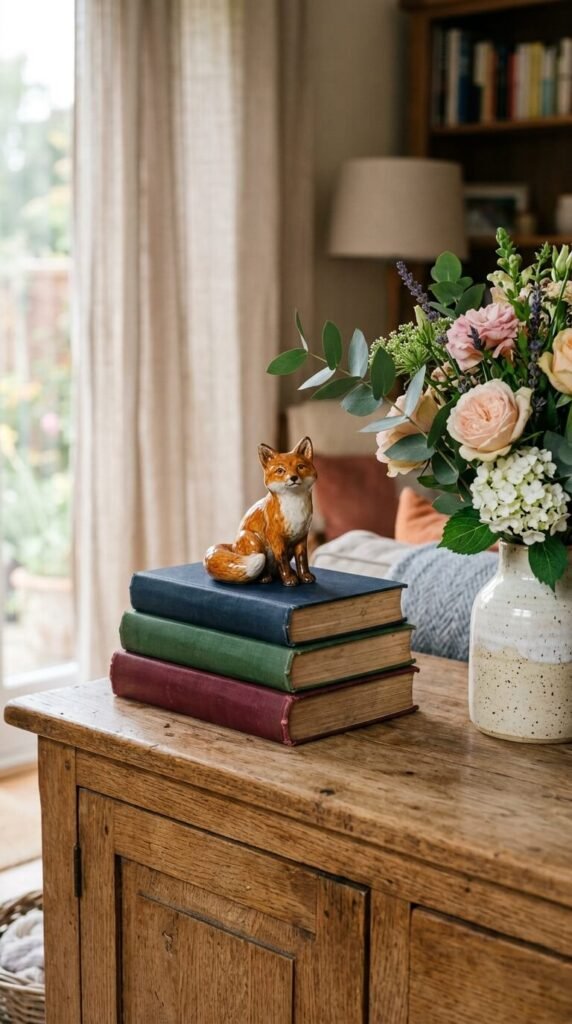
Books aren’t just for shelves. A short stack adds height and can anchor a taller item like a vase or lamp on top. Choose covers in muted tones so they blend rather than compete with your color story. Turn spines toward the wall if the colors clash with your palette. Stacked books are a free styling trick if you already own them, and they instantly add a collected, lived-in feel that flat surfaces often lack.
10. Introduce a Woven Basket
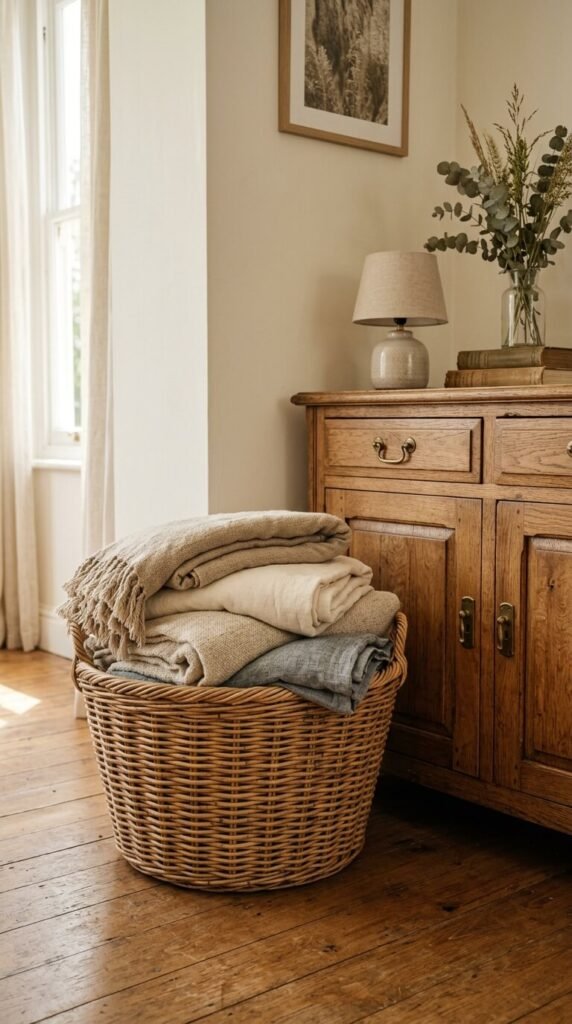
A basket next to or under your sideboard adds texture and solves a storage problem at the same time. Use it to hold extra napkins, throws, or mail that tends to pile up. Rattan and seagrass textures feel especially fitting for spring. A woven basket keeps clutter out of sight while still looking styled. Thrift stores and dollar stores often carry these for under $15, making this one of the cheapest upgrades on this list.
11. Add a Textural Table Lamp
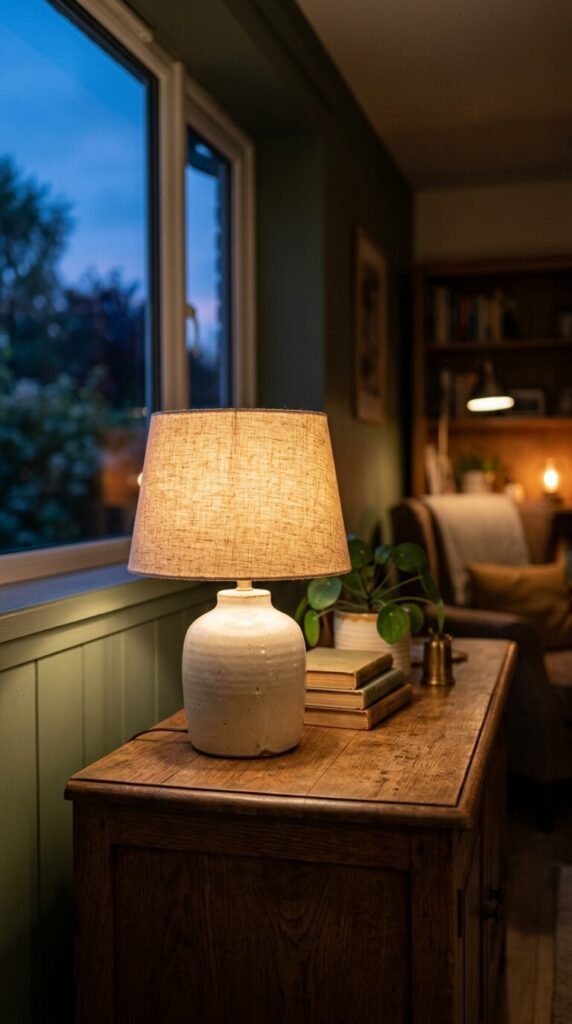
A lamp adds height, warmth, and function all at once. Look for a base with texture — ribbed ceramic, rattan, or fluted glass all work well for spring. Keep the shade simple in a cream or linen tone so it doesn’t overpower smaller items nearby. A lamp on a timer means your sideboard glows every evening without you lifting a finger. Secondhand shops often have great lamp bases that just need a fresh shade to look brand new.
12. Try a Seasonal Wreath or Garland
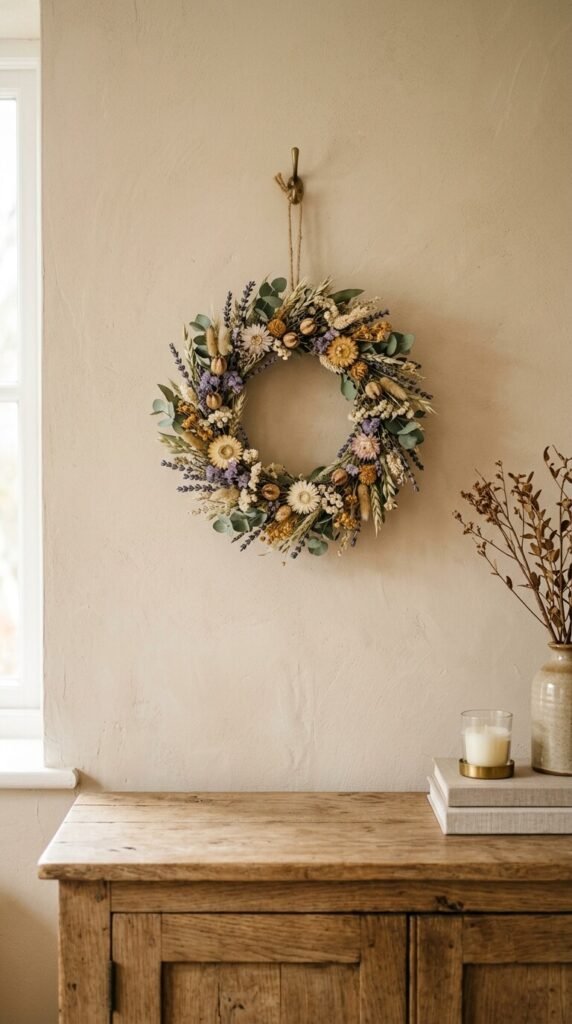
Wreaths aren’t just for doors. A small dried or faux flower wreath hung above your sideboard adds a soft seasonal touch without taking up counter space. Garlands work too, draped loosely across the top edge of a mirror or art frame. A dried wreath lasts for months and can be stored easily once spring ends. Look for pampas grass or eucalyptus versions, which hold their shape and color far longer than fresh flowers.
13. Play With Varying Heights
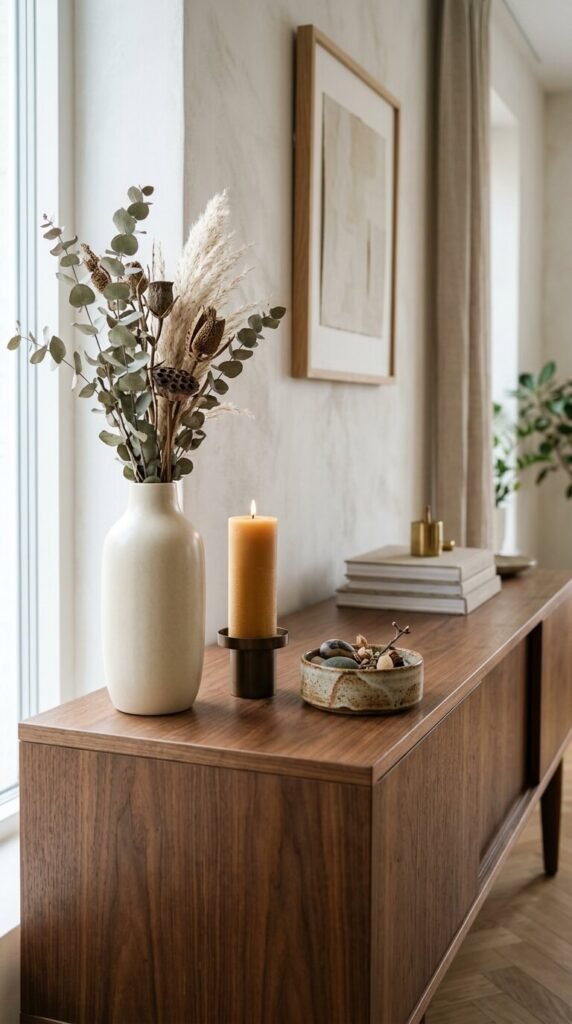
Flat, same-height items can make a sideboard look boring fast. Mix tall, medium, and short pieces so the eye has somewhere to travel. A tall vase, a mid-height stack of books, and a low dish create a natural visual staircase. Varying heights is one of the simplest styling rules and works with almost any items you already own. Try rearranging what’s currently on your sideboard using just this one rule before buying anything new.
14. Incorporate a Piece of Pottery
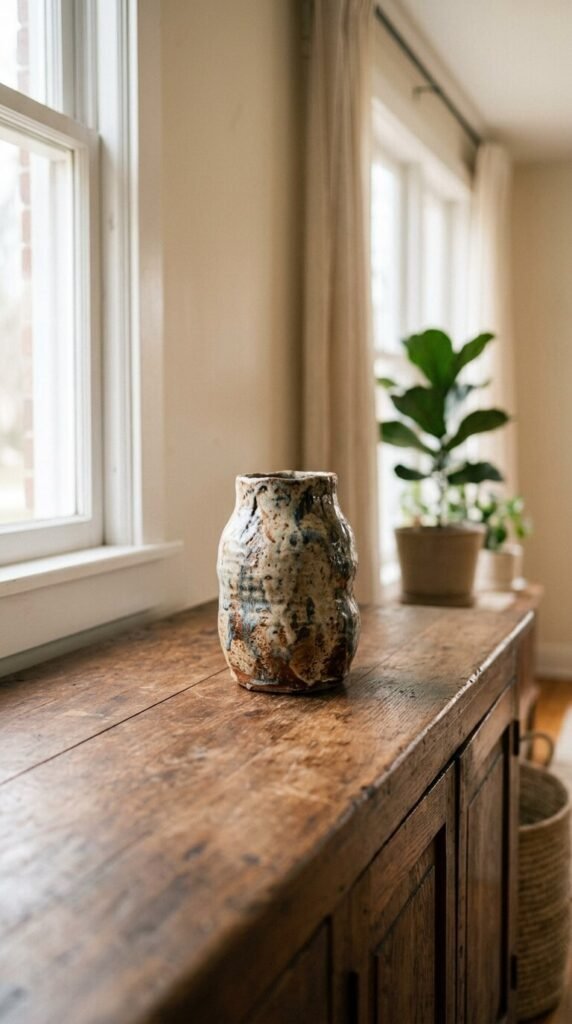
A single piece of pottery can carry an entire display. Look for irregular shapes, matte glazes, or earthy colors that feel handmade. It doesn’t need flowers inside — an empty vase with an interesting shape works as art on its own. Local craft fairs and thrift stores are great spots to find affordable, one-of-a-kind pottery. Even a $5 secondhand vase can become the centerpiece your whole sideboard is built around.
15. Rotate in Seasonal Scents
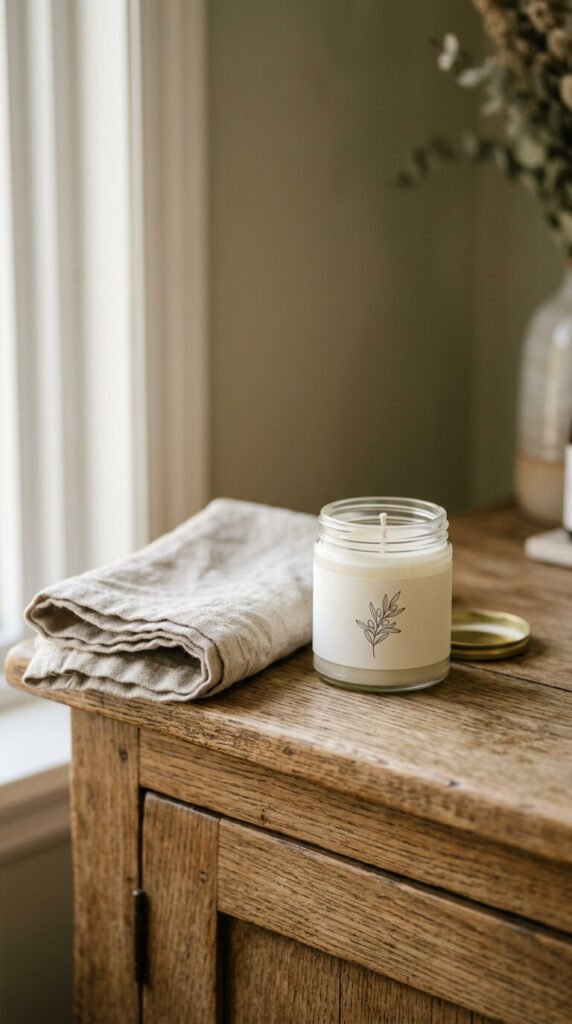
Scent adds a layer most people forget about. A candle or reed diffuser in a light floral or citrus fragrance can shift the whole feel of a room during spring. Keep the container simple so it blends with your styling instead of standing out. A scented candle does double duty as both décor and atmosphere. Light it fifteen minutes before guests arrive so the scent settles in without feeling overwhelming when they walk through the door.
16. Frame a Small Collection
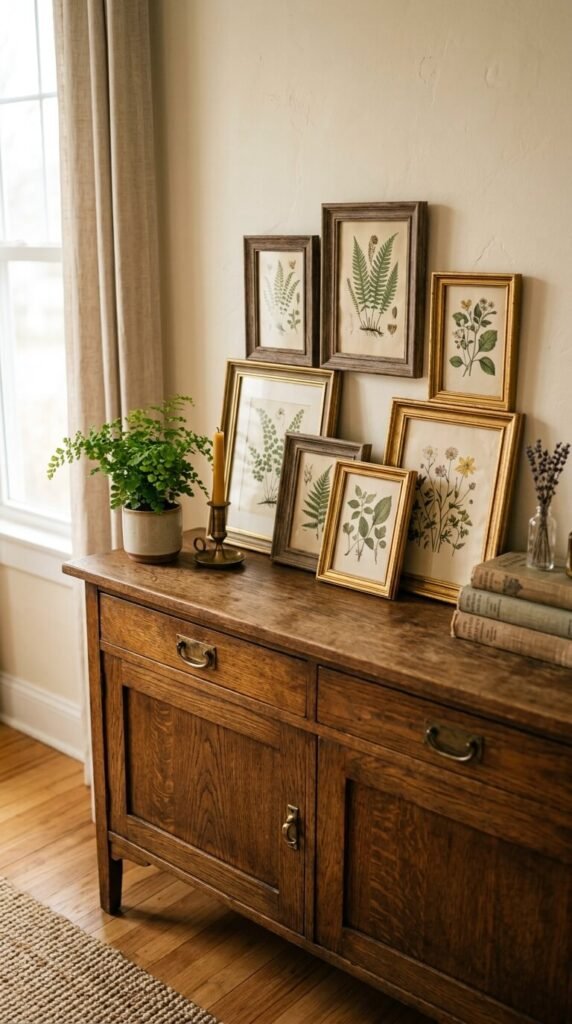
Instead of one large piece of art, try leaning a few small framed prints against the wall behind your sideboard. Botanical illustrations, pressed flowers, or simple line drawings all fit a spring theme. Overlapping frames slightly adds depth without needing to hang anything. Leaning frames is a renter-friendly trick since it skips nail holes entirely. Thrift stores often sell frames for a dollar or two — swap out the print inside for something more seasonal.
17. Add a Touch of Brass or Gold
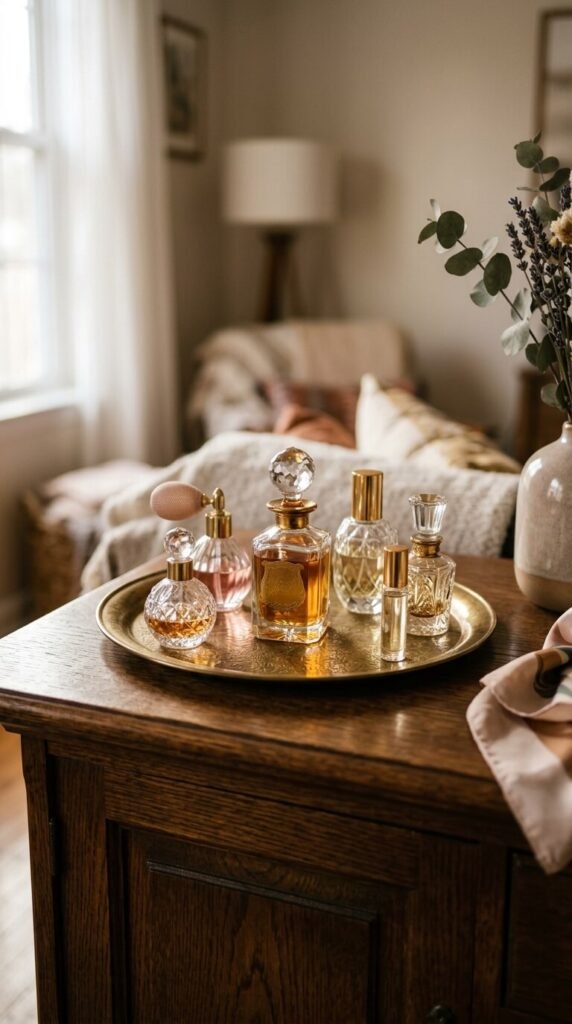
A little metal shine warms up a spring display fast. Brass candle holders, a gold-rimmed dish, or a small mirrored tray all catch the light nicely. You don’t need much — one or two metallic pieces are enough to add contrast against wood and greenery. Mixing metals with texture like linen or rattan keeps the look balanced instead of flashy. Check discount home stores for budget brass pieces that mimic pricier vintage finds.
18. Style With a Seasonal Runner Swap
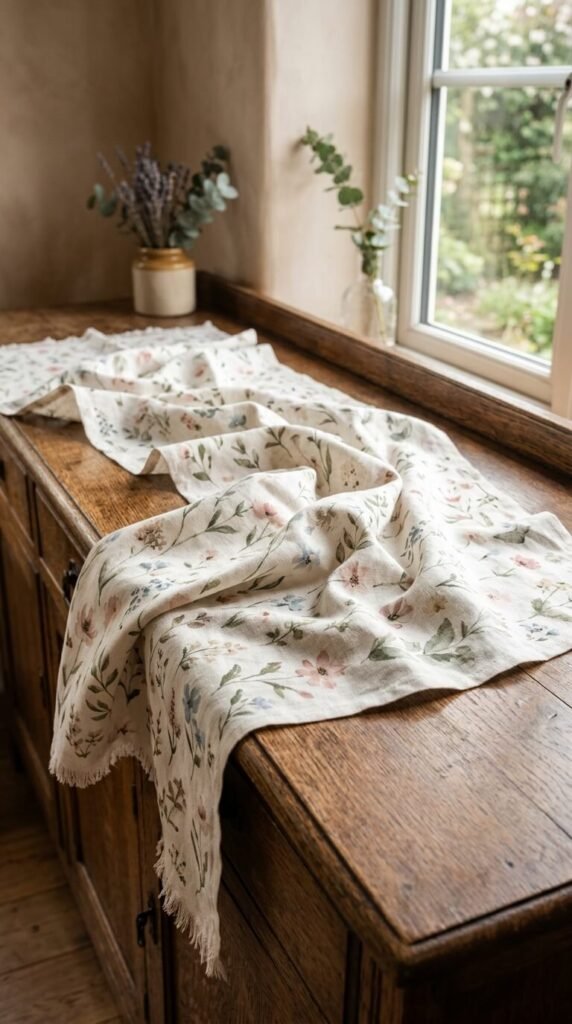
Swapping your runner alone can shift the whole seasonal feel without touching anything else. Trade heavier winter fabrics for a lighter linen or cotton print in spring colors. A subtle floral or striped pattern adds interest without competing with your other pieces. A runner swap takes five minutes and costs very little if you already own a few options. Store your winter runner folded flat so it’s ready to bring back out later in the year.
19. Display a Small Plant Trio
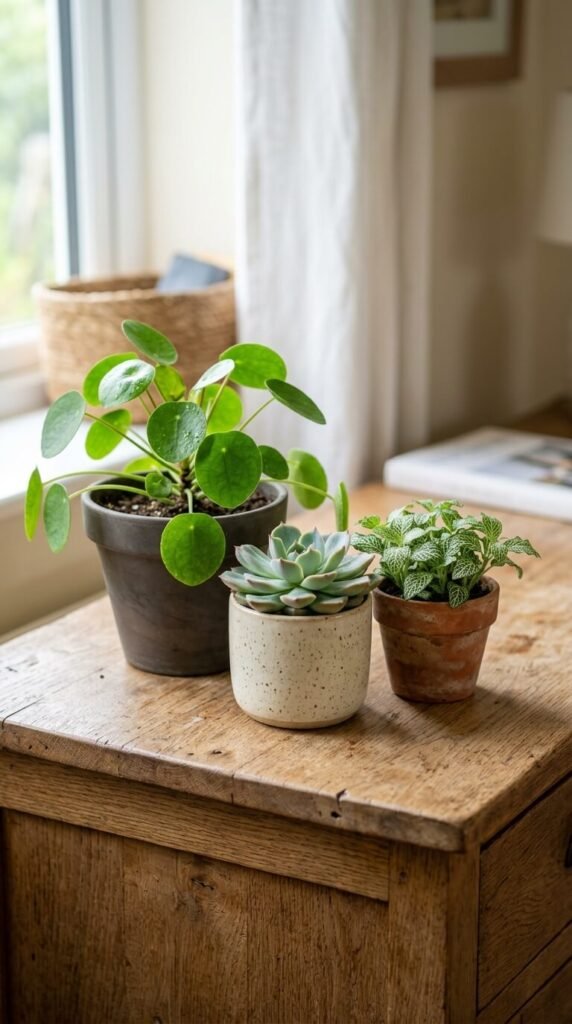
Live plants add color that never goes out of style. Group three small pots together — different plant types, similar pot colors — for a cohesive but natural look. Succulents, pothos, or small ferns all do well indoors with minimal care. A plant trio brings life to a sideboard in a way flowers can’t, since they last far longer. Grocery store plants are often just as healthy as pricier nursery finds, so shop around before spending more than necessary.
20. Add a Decorative Bowl for Catch-All Items
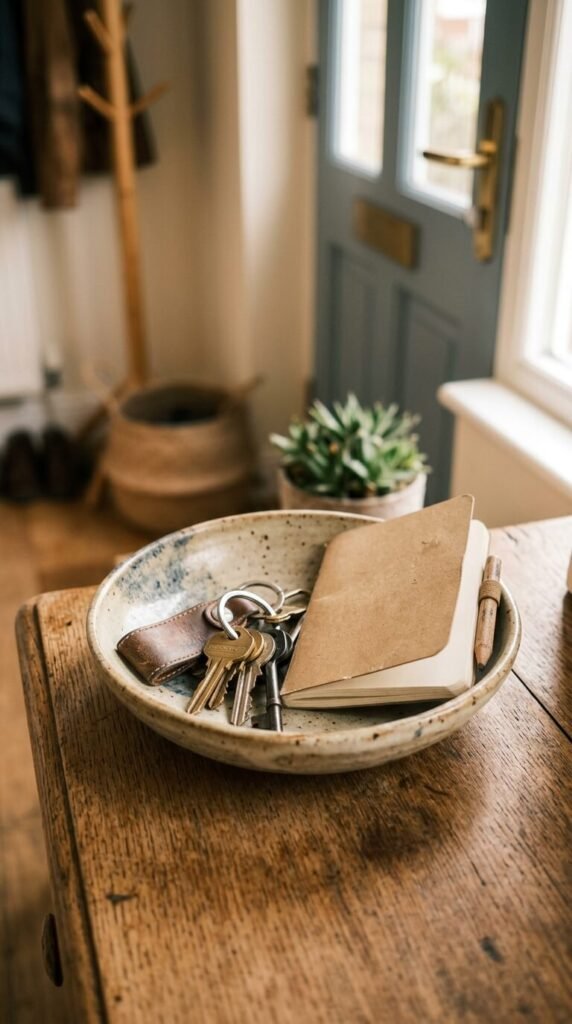
A decorative bowl solves a real problem — where do your keys, mail, or sunglasses go when you walk in? Place one on your sideboard to catch daily items without letting clutter take over. Choose a color or texture that matches your spring palette so it still looks styled. A catch-all bowl keeps small messes contained in one spot instead of scattered across the whole surface, which makes daily tidying much faster.
21. Layer Textures, Not Just Colors
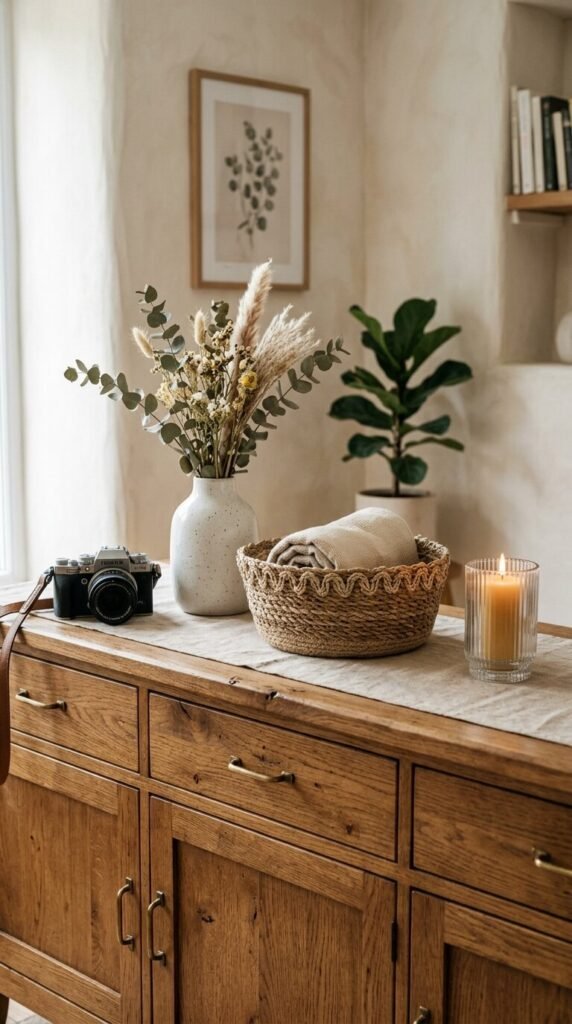
Color gets most of the attention, but texture matters just as much. Mix smooth ceramic, rough linen, woven rattan, and glass together for a display that feels layered instead of flat. Even a neutral palette looks interesting when the textures vary. Texture layering is an easy way to make budget items look more expensive than they are. Walk around your home and pull one item from each texture category to test this before buying anything new.
22. Keep It Half-Full
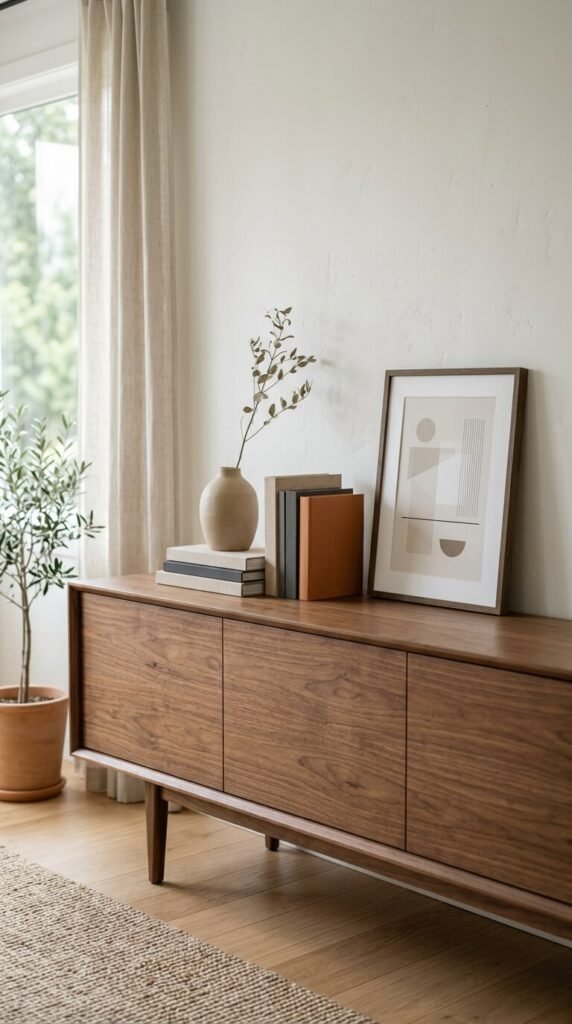
More isn’t always better. Leaving some open space on your sideboard actually makes the styled items stand out more. Aim to fill about half the surface, leaving breathing room around each grouping. This keeps the display from feeling crowded or busy. Empty space is a design choice, not a missed opportunity. If your sideboard feels overwhelming, the fix might be removing items rather than adding new ones.
Conclusion
Styling your sideboard for spring doesn’t require a full room makeover or a big budget. Small swaps — a new runner, a low bowl of greenery, a few candles at different heights — add up to a display that feels fresh and intentional. Start with just two or three ideas from this list, see how the space feels, and build from there. Your sideboard has the power to set the tone for your whole room, so give it the attention it deserves this season.