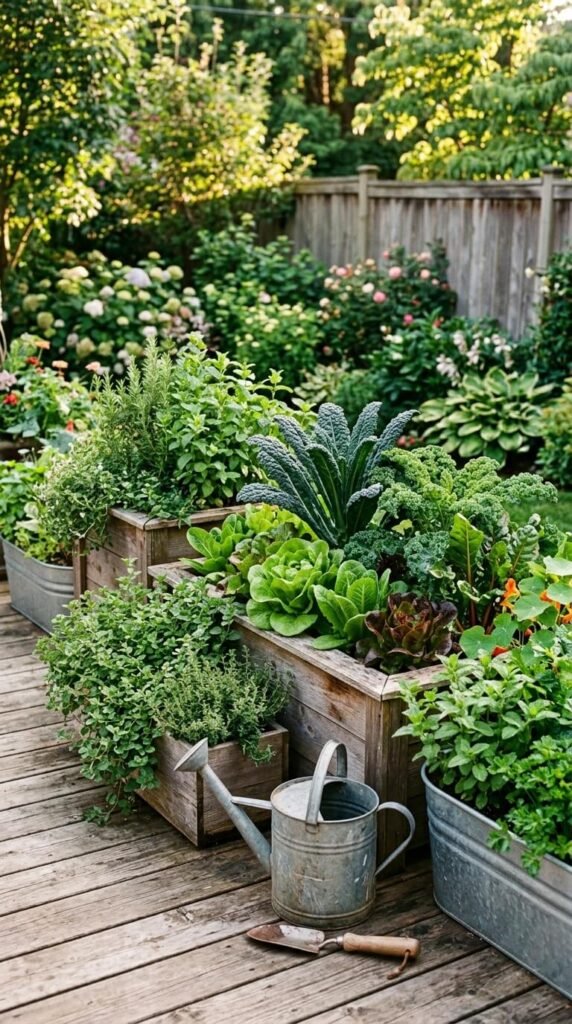
Planter boxes are one of the smartest ways to grow more food and flowers in less space. Whether you have a small balcony, a concrete patio, or a sprawling backyard, the right planter box can double — or even triple — what you grow. The best part? You don’t need a big budget or a green thumb to get started. From stacked designs that climb your wall to simple window boxes that dress up a fence, there’s a planter style for every goal and every space. Here’s a look at 23 designs worth trying.
1. Tiered Wooden Ladder Planter
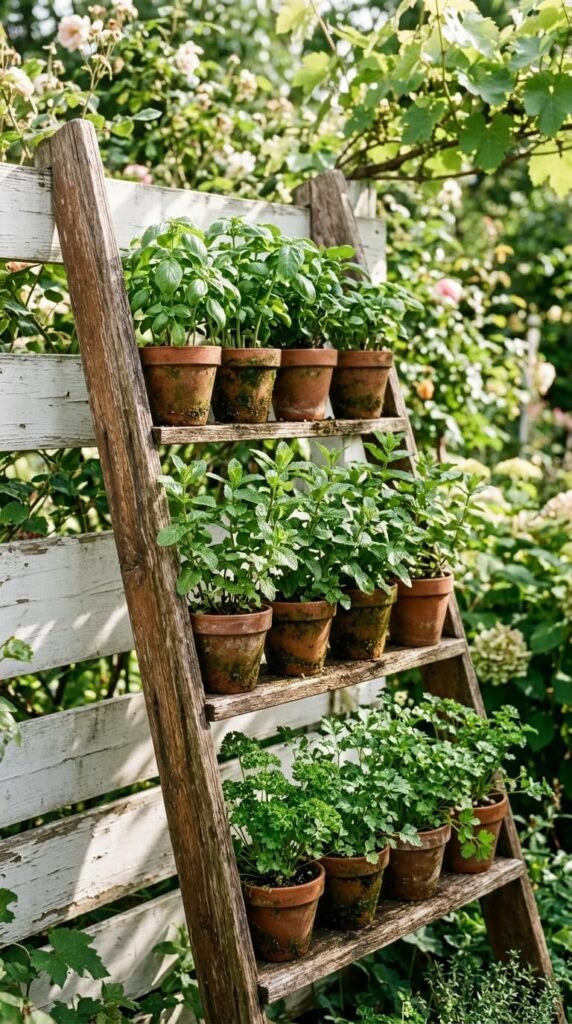
A ladder planter turns vertical space into growing space — fast. Pick up an old wooden ladder from a thrift shop or salvage yard for under $10. Sand it lightly, seal with outdoor wood oil, and set pots on each rung. Herbs and small flowers work perfectly. Each shelf gets different light levels, which is great for growing a mix of plants. This is beginner-friendly and takes less than an afternoon to set up.
2. Raised Cedar Bed with Built-In Seat
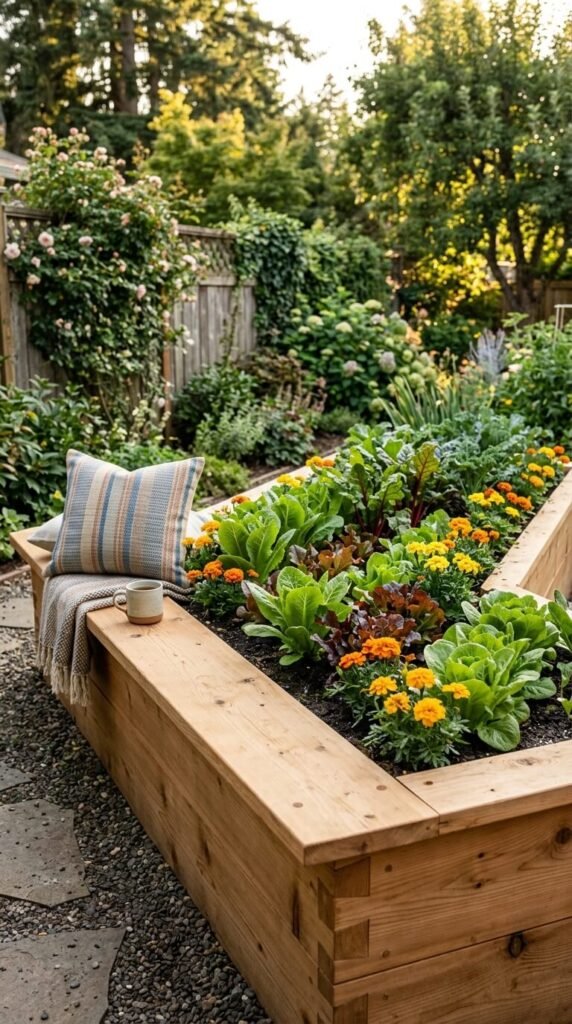
A raised cedar box with a wide, flat top rail does double duty. You grow vegetables inside and sit on the edge while you work. Cedar is naturally rot-resistant, so it holds up without chemicals. A standard 4×8 box takes about 12 boards and a free afternoon. Add corner brackets for strength. This is a popular weekend project that adds real function to a small yard or patio.
3. Galvanized Metal Stock Tank Planter
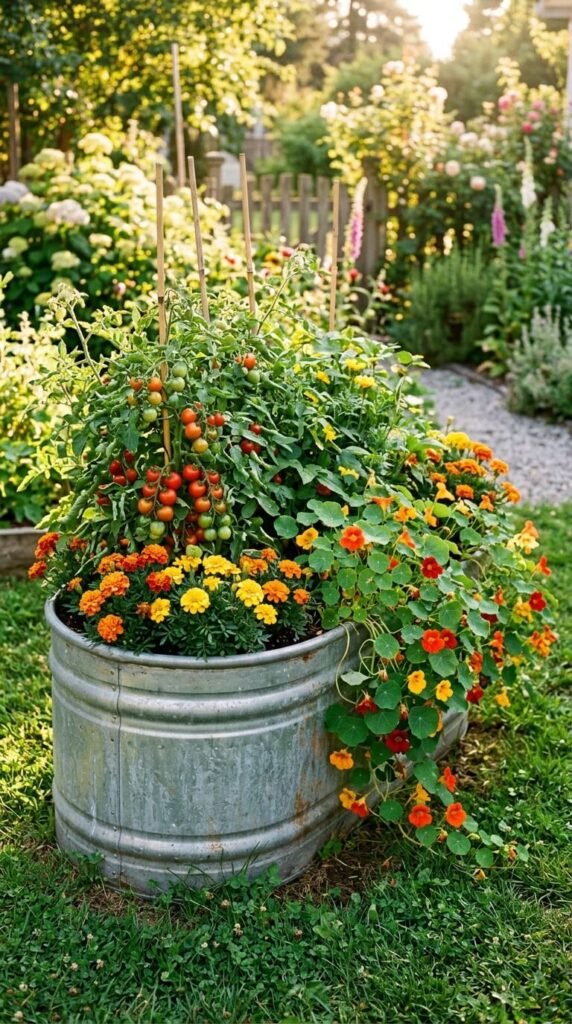
Stock tanks are cheap, tough, and hold a huge amount of soil. A 100-gallon oval tank from a farm supply store costs around $80 and lasts for decades. Drill drainage holes in the bottom, fill with a quality mix, and plant away. Tomatoes, peppers, and squash thrive in the deep root space. The galvanized look also adds a clean, modern-farmhouse style to any outdoor space.
4. Stacked Cinder Block Planter Wall
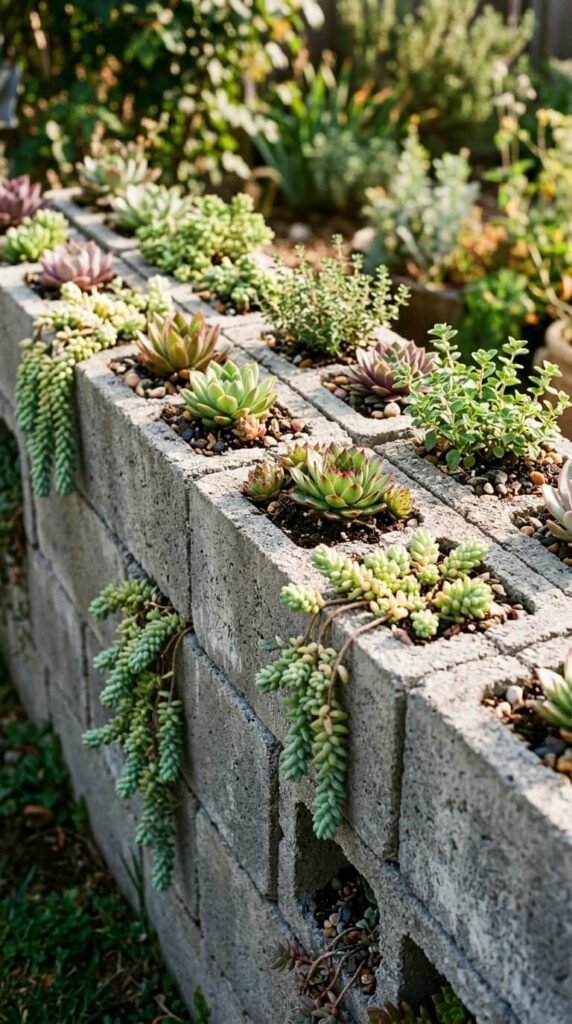
Cinder blocks are inexpensive — often under $2 each — and you can stack them into a planter wall in an hour. Each block has two hollow cells perfect for planting small herbs, succulents, or flowers. No mortar needed for a low wall. Stack two rows high for a more dramatic look. This works especially well along a driveway edge or as a low border for a garden bed. Paint the blocks if you want a pop of color.
5. Hanging Gutter Planter System
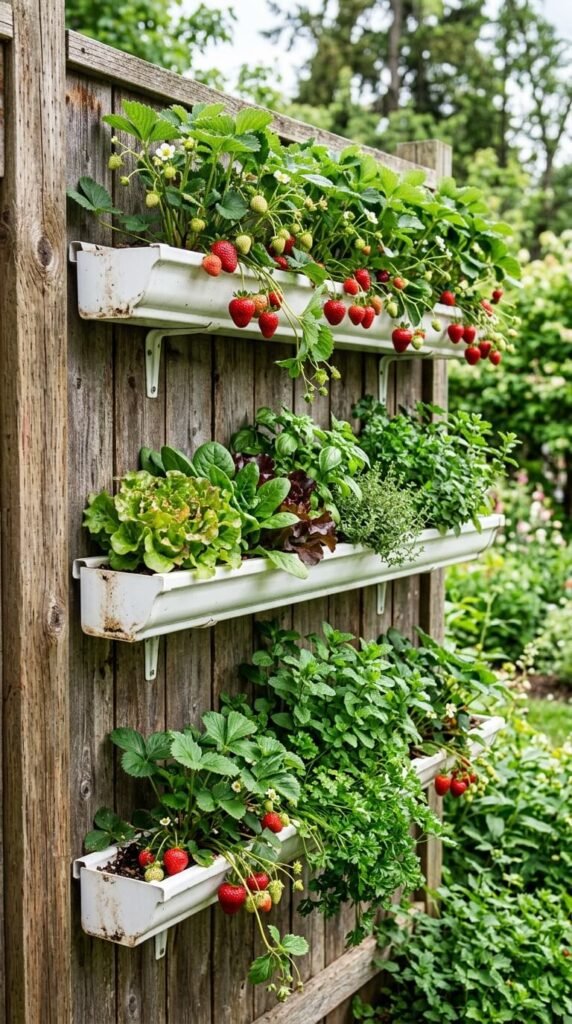
PVC rain gutters make surprisingly effective planters. A 10-foot section costs about $5 at a hardware store. Cut to length, cap the ends, drill drainage holes, and mount on a fence with gutter brackets. Three rows stacked vertically can hold 30+ plants in a 4-foot-wide space. Lettuce, strawberries, and shallow-rooted herbs grow perfectly in gutters. This is one of the most affordable vertical growing systems you can build yourself.
6. Wine Barrel Half Planter
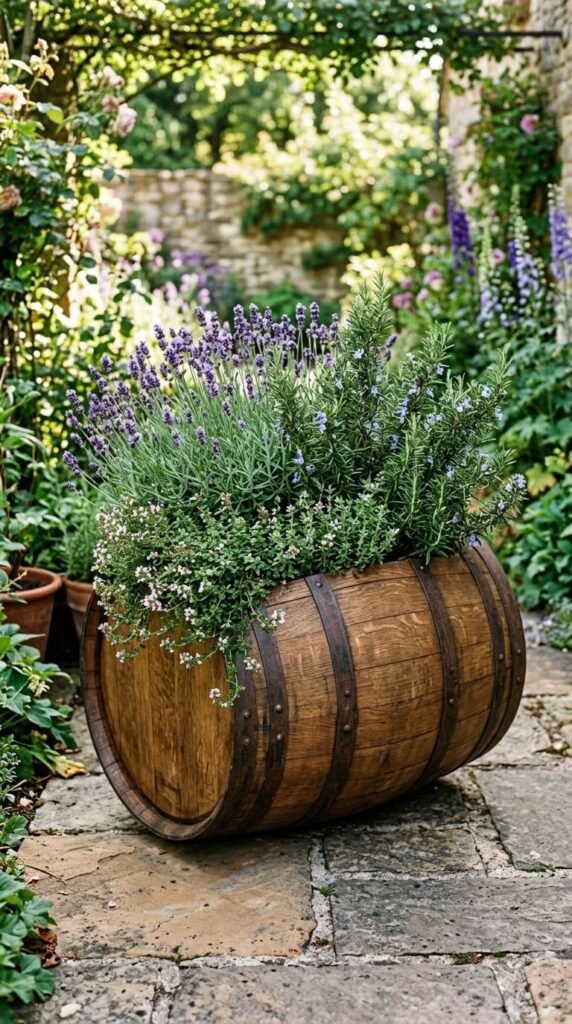
Half wine barrels are classic for good reason. They’re deep (ideal for root vegetables), look beautiful, and last years. Garden centers sell them for $25–$50. The curved sides shed water well. Fill with a mix of quality potting soil and compost. Lavender, rosemary, or a dwarf fruit tree does well in the large volume. Elevate on pot feet for drainage and airflow. One barrel by a front door makes an instant statement.
7. Pallet Planter Box
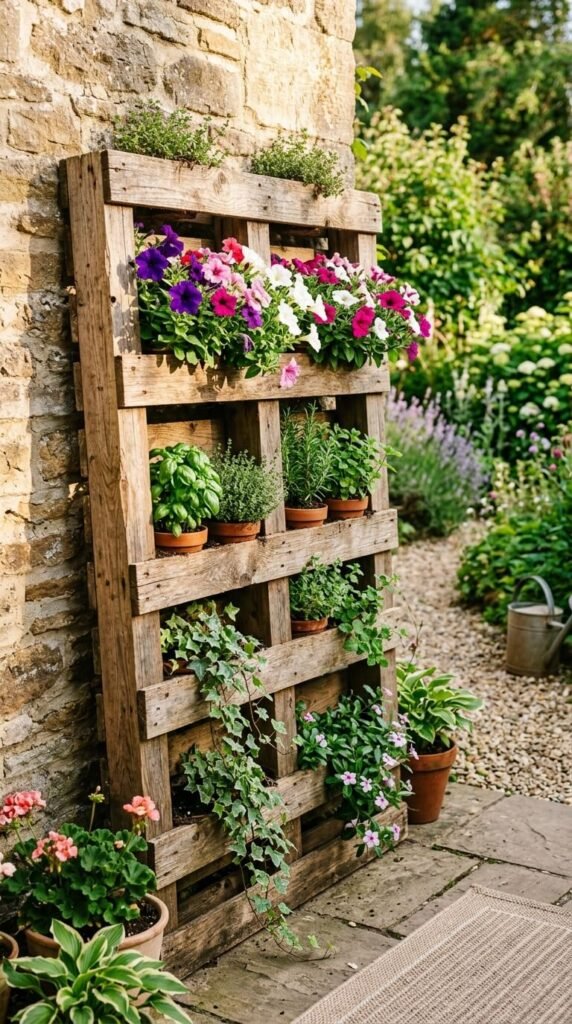
A wooden shipping pallet can become a wall planter in under an hour. Stand it upright, staple landscape fabric across the back and bottom slats to hold soil in the openings, and plant directly into each pocket. Use heat-treated (HT-marked) pallets only — never chemically treated ones. This costs almost nothing if you find a free pallet behind a grocery store or furniture shop. Succulents, herbs, and small flowers all work well.
8. Self-Watering Wicking Planter Box
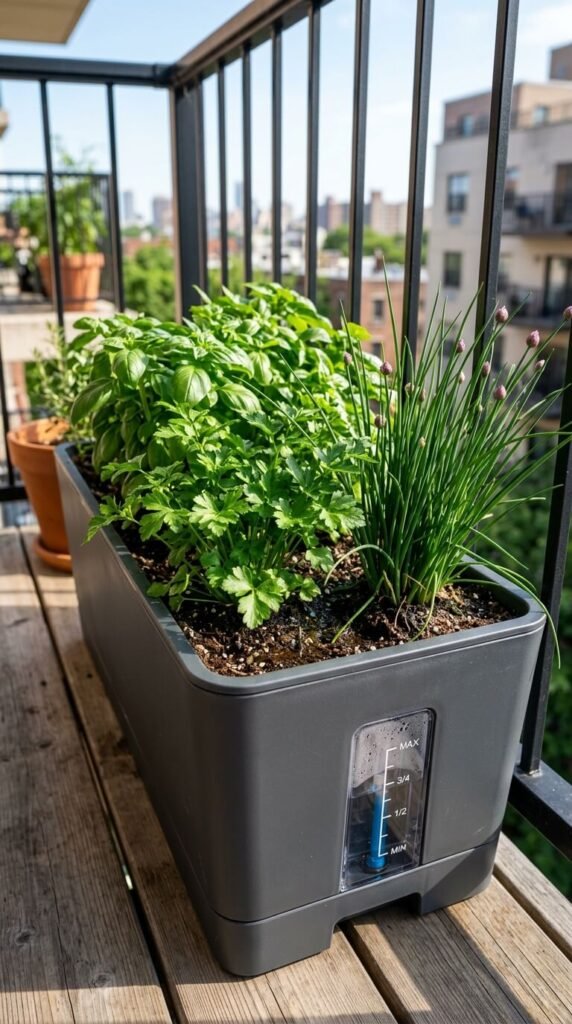
A self-watering planter has a hidden reservoir in the base. Plants draw water up through the soil as needed — no daily watering required. You can buy kits starting around $30 or DIY one with a plastic storage bin and PVC pipe. This is a game-changer for balcony gardeners or anyone who travels. Fill the reservoir once every few days. Leafy greens, herbs, and peppers thrive with consistent bottom watering.
9. Window Box Bracket Planter
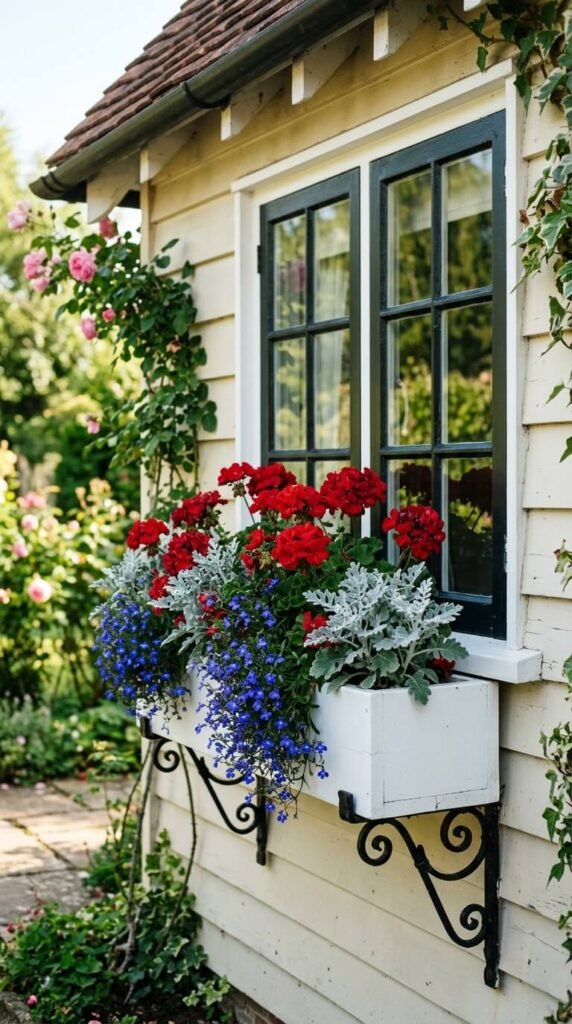
Window boxes add growing space without taking up any floor space at all. Mount them under a window, along a railing, or on a fence with simple L-brackets. A 24-inch cedar window box costs about $20 at a garden center, or you can build one for less. Add a drip tray behind the box to protect walls. Plant with flowers for curb appeal, or use herbs for a kitchen window garden. Swap plants each season.
10. Corner L-Shaped Raised Bed
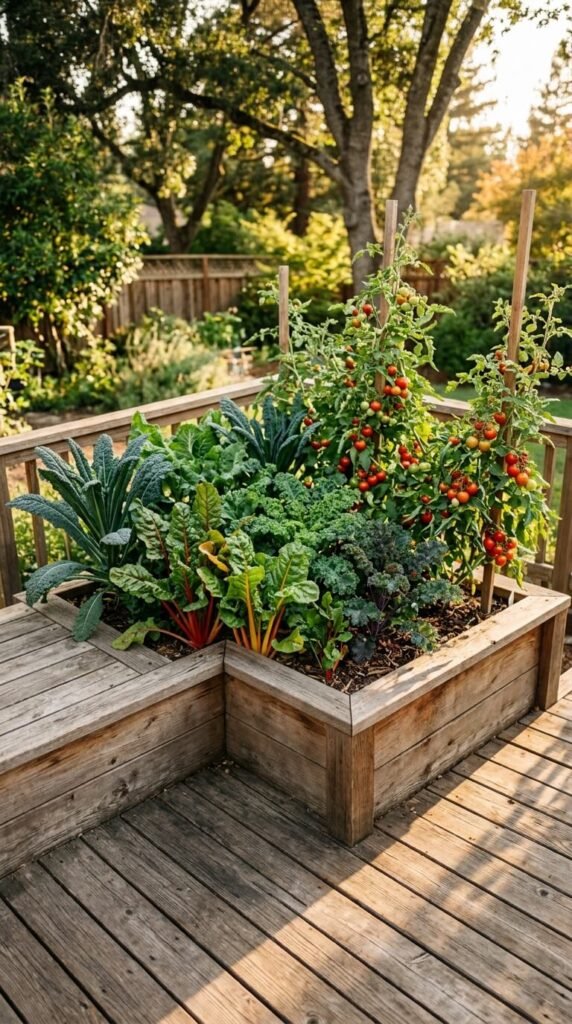
An L-shaped planter is perfect for fitting into corners — on a deck, a patio, or in the yard. Two rectangular boxes joined at a 90-degree angle create a design that uses otherwise wasted corner space. Build each section from basic fence boards and connect with a corner post. The inside corner makes a natural seat or tool storage spot. Plant taller crops on the back legs and shorter ones toward the front.
11. Strawberry Tower Planter
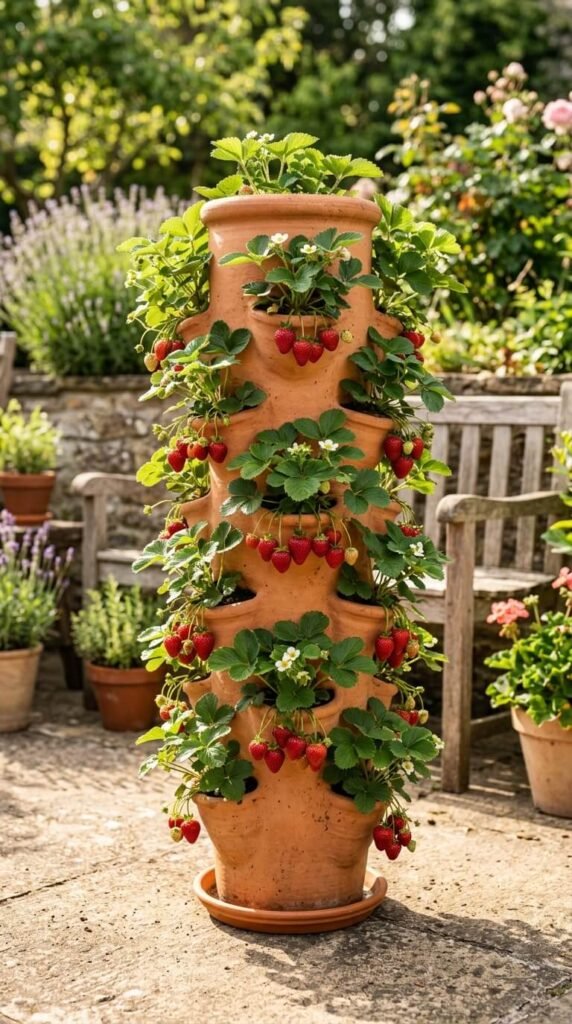
A strawberry tower goes up, not out, making it ideal for tight spaces. You can buy purpose-made terra cotta towers, or stack PVC pipe sections with drilled holes. Each pocket holds one plant, and a 4-foot tower can grow 20+ strawberries. Water from the top and it trickles to every level. You can also plant herbs or succulents in the pockets. This is a fun project that looks great on a balcony or near a kitchen door.
12. Concrete Block Planter with Painted Design
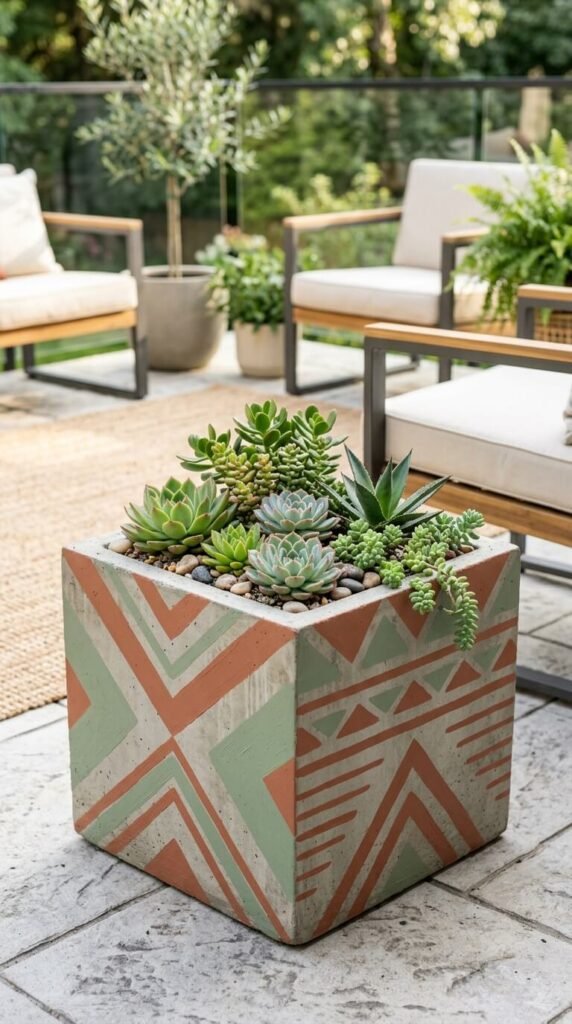
Plain concrete blocks transform with a coat of exterior paint. Use a concrete-bonding primer first, then any outdoor paint color. Geometric patterns, stripes, or a simple solid color all look great. Stack two or three blocks for a tall planter, or use a single block for a low centerpiece. This is a cheap weekend project — a bag of blocks and a can of paint cost under $15. Place near your front door for an eye-catching entrance display.
13. Fabric Grow Bag Planter Row
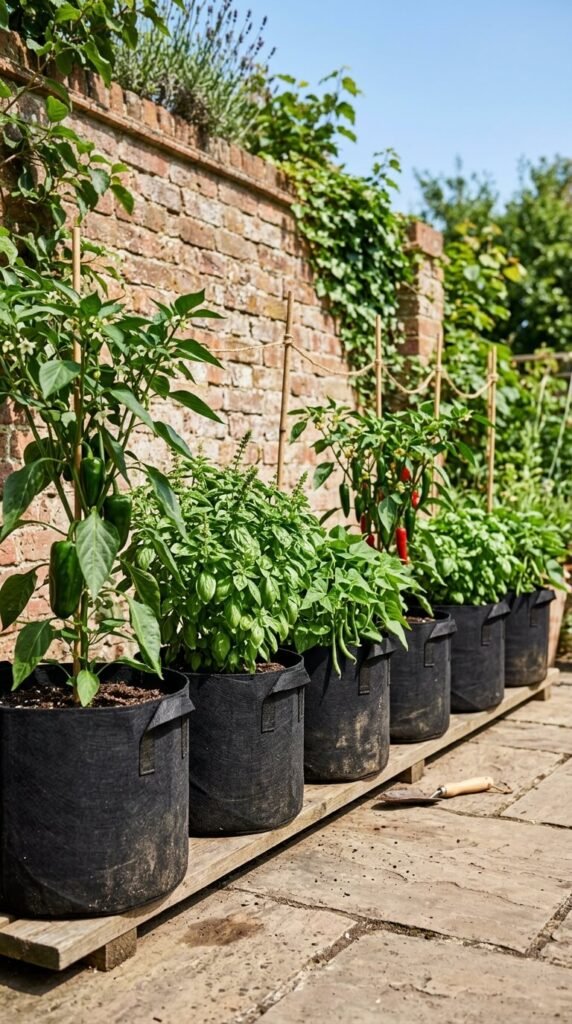
Fabric grow bags are light, foldable, and surprisingly effective. They air-prune roots, which means plants grow healthier and produce more. A 5-gallon bag costs about $3, and a 10-pack is often under $25. Line them up along a fence or sunny wall. They work for tomatoes, peppers, potatoes, and herbs. After the season, empty, wash, and store flat. This is an ideal solution if you rent and can’t build permanent structures.
14. Repurposed Dresser Drawer Planter
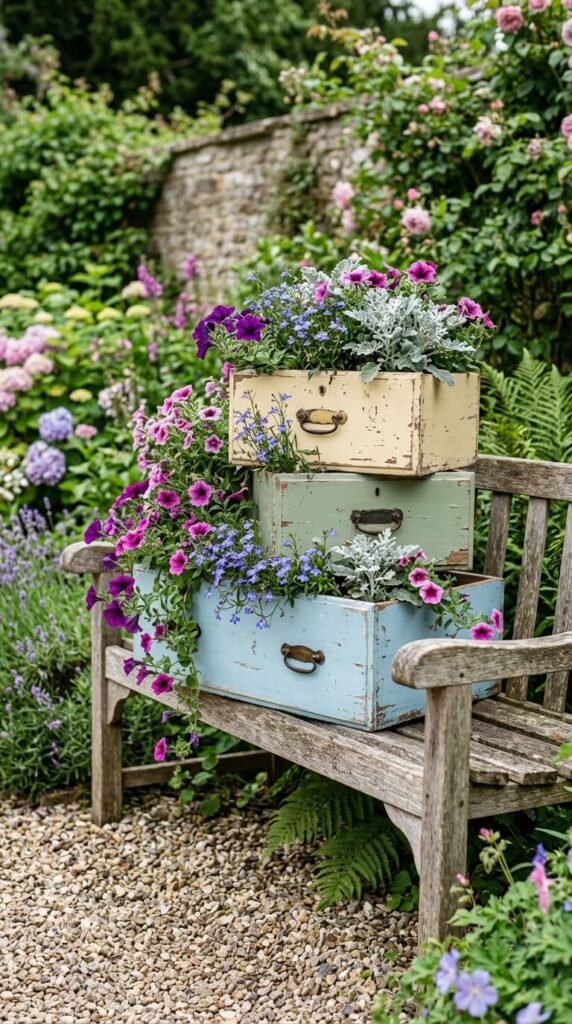
Old dresser drawers make charming planters. Find a beat-up dresser on a Facebook Marketplace listing for free or a few dollars. Pull out the drawers, drill drainage holes in the bottom, and paint them in coordinating colors. Stagger them at different heights on a garden bench or shelf for a layered look. Plant with trailing flowers or herbs. The shallow depth works well for lettuce, pansies, and succulents.
15. A-Frame Double-Sided Planter
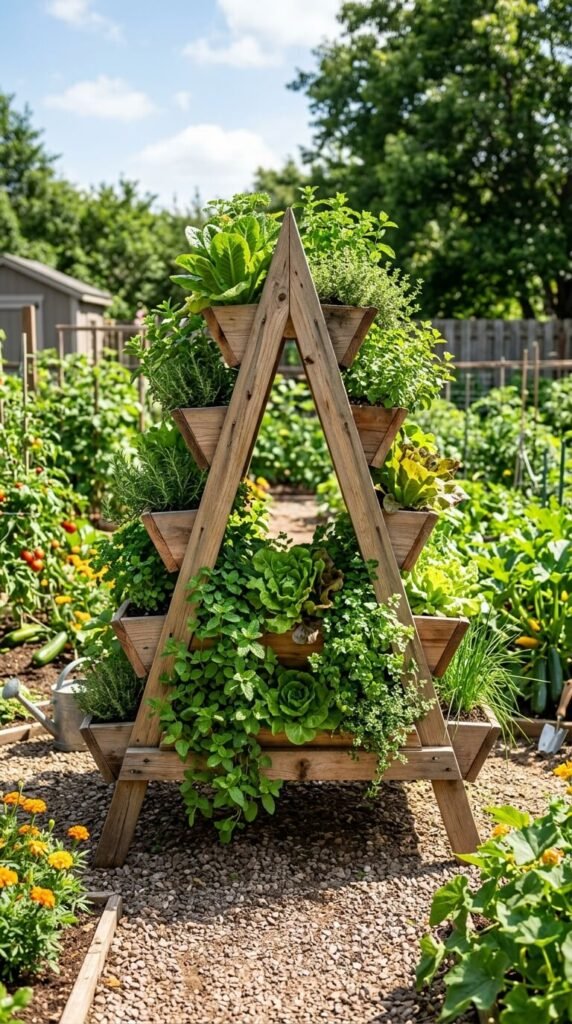
An A-frame planter is one of the most space-efficient designs possible. Both sides are planted, so you get double the growing area in the same footprint. Build from basic 2×4 lumber and fence boards. Set it in a central garden spot so you can walk around and harvest from both sides. Total cost is usually under $40 in materials. Great for salad greens, herbs, and shallow-rooted crops that do well with slightly angled planting.
16. Keyhole Planter Box Design
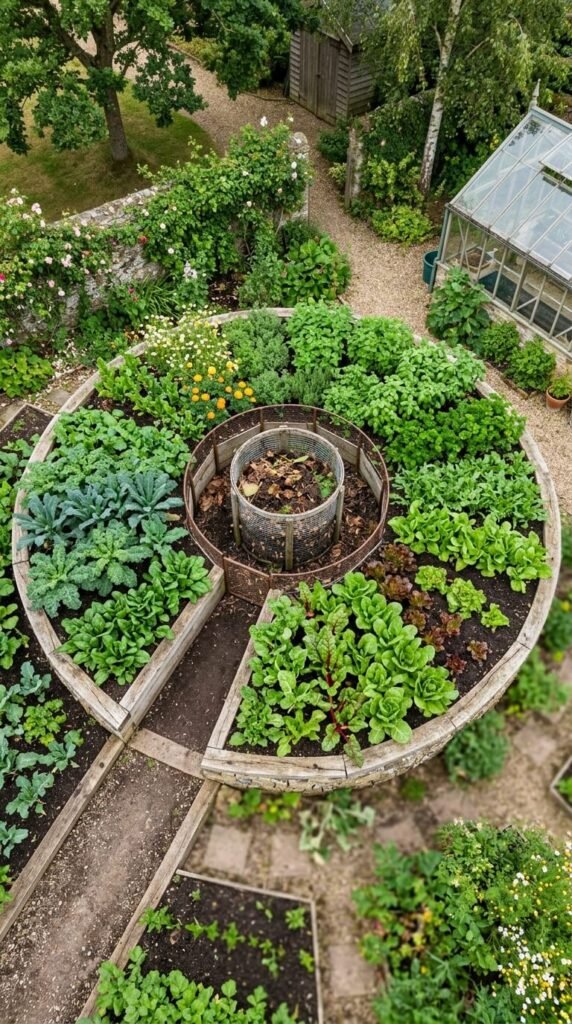
A keyhole garden is circular with a narrow walkway cut into one side, giving you access to the center. At the center sits a compost basket — add kitchen scraps there and they feed the entire bed naturally over time. You can build the ring from bricks, rocks, or lumber. The design lets you reach every plant from the walkway without stepping on soil. This African-inspired design is practical, sustainable, and surprisingly simple to build.
17. Trench Planter Box Along a Fence
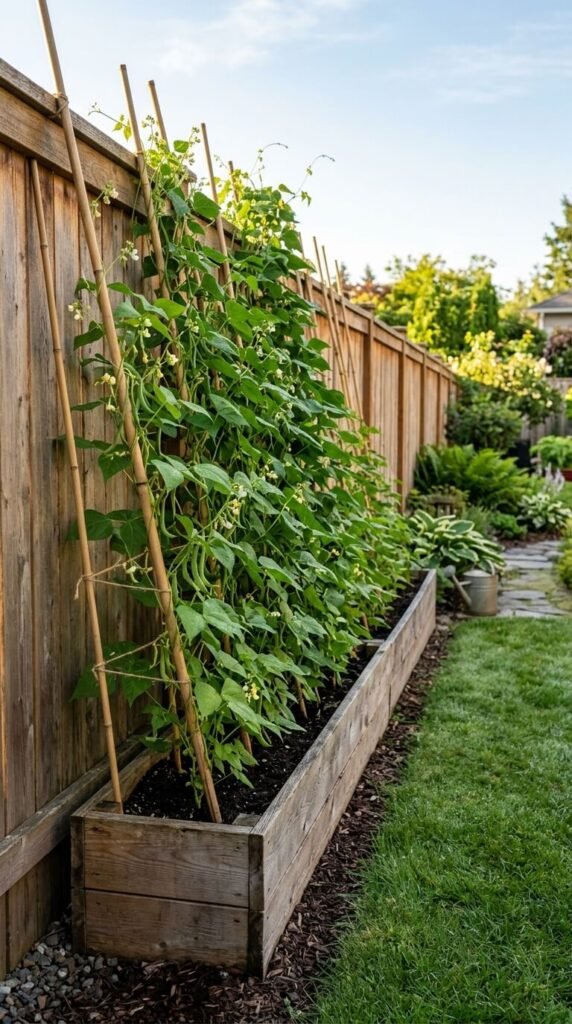
A long, narrow planter box along the base of a fence uses space you’d otherwise ignore. Build a simple trough from fence boards — even a 6-inch-deep box is enough for herbs, flowers, and climbing plants. Set bamboo stakes or wire trellis against the fence and let beans or cucumbers climb up. This approach turns a plain fence into a productive growing wall. The entire build can cost under $20 using leftover lumber.
18. Raised Keystone Block Retaining Planter
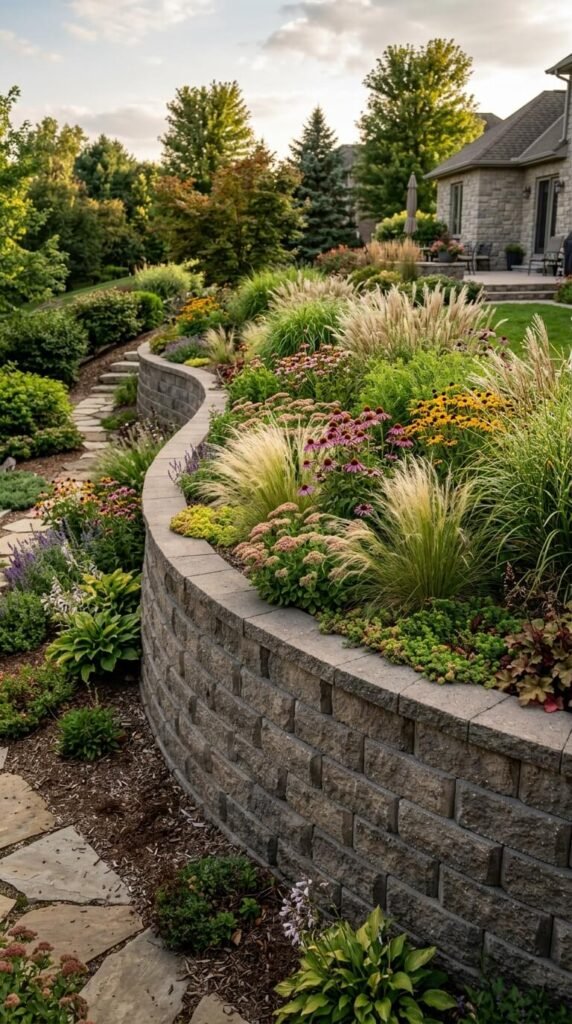
Interlocking retaining wall blocks — available at any hardware store — stack without mortar and hold their shape under the weight of soil. Use them to build a curved or straight raised planter on a slope, along a driveway, or in a flat yard. A pallet of blocks costs around $100–$150 and can build a 3-foot-tall, 12-foot-long planter. Fill with topsoil and compost. This is the most durable DIY planter material outside of poured concrete.
19. Recycled Bathtub Planter
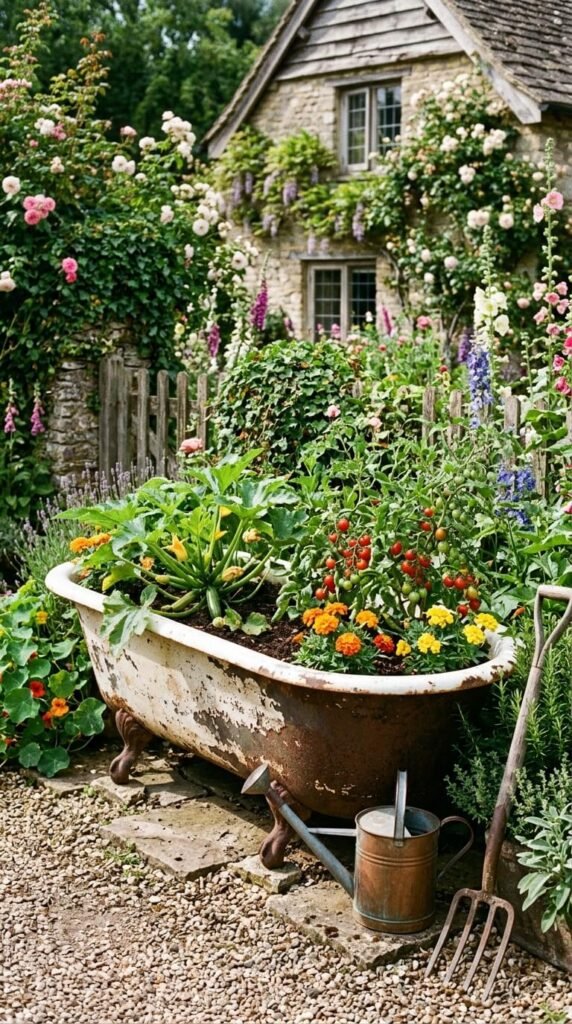
A freestanding bathtub is one of the quirkiest and most practical planter options around. The depth is perfect for root vegetables like carrots and parsnips, which need at least 12 inches of soil. The drain hole at the bottom already does drainage duty. Find one free on Craigslist or buy at a salvage yard. Position where you want it — these are heavy and permanent once placed. Plant densely and it becomes a real garden centerpiece.
20. Stacked Wooden Box Pyramid Planter
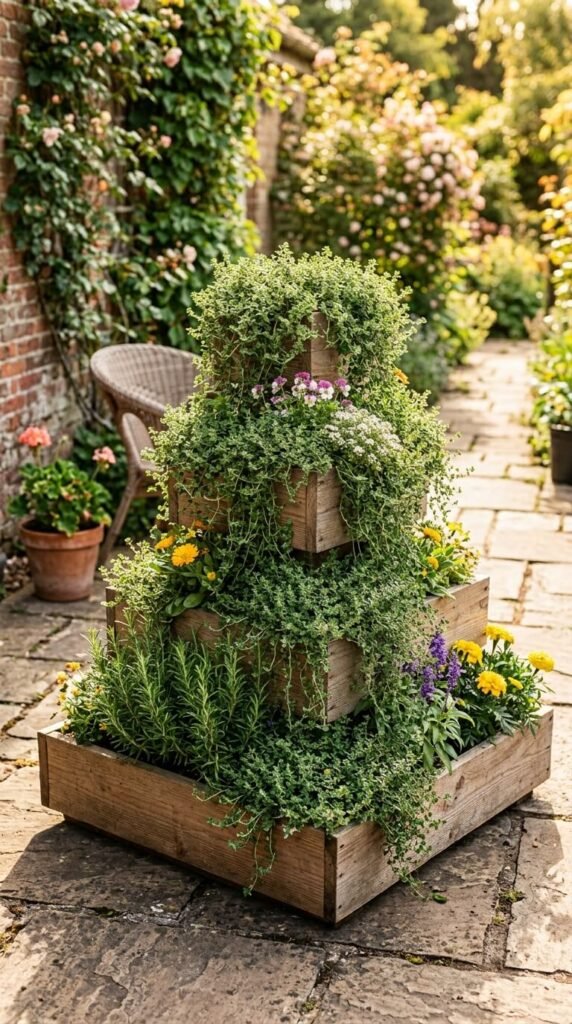
Three boxes in decreasing sizes, stacked and offset, form a pyramid that looks far more complex than it is to build. Each tier gets full sun exposure because they’re offset and slightly smaller than the one below. Fill each box with soil and plant trailing herbs like thyme or oregano along the edges so they cascade down. Build from fence boards using a simple butt-joint construction. Paint or stain to match your outdoor furniture.
21. Corrugated Metal Raised Bed
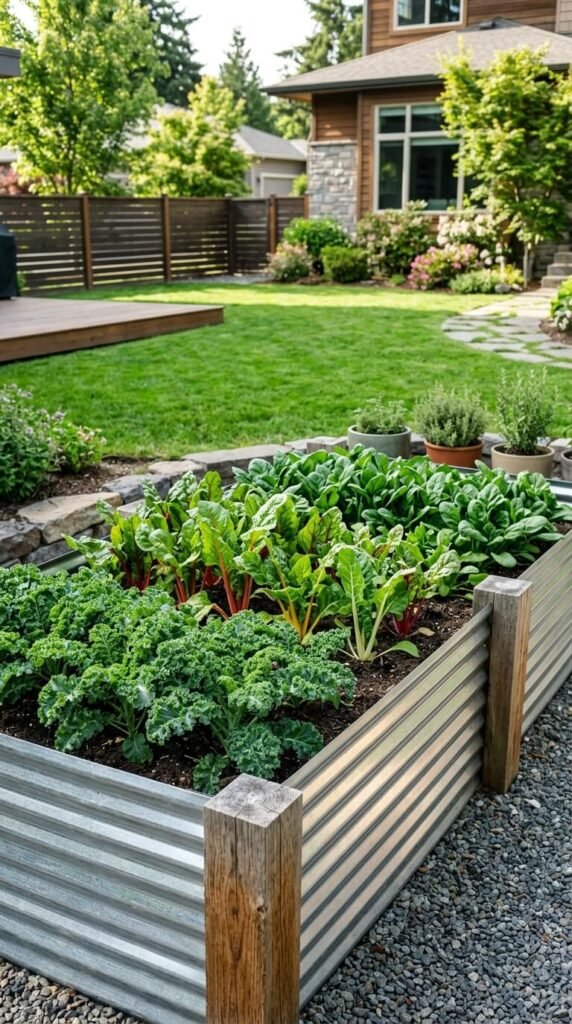
Corrugated metal sheets bent into a box shape with wooden corner posts make a modern, long-lasting planter bed. The metal is inexpensive from a roofing supply store and holds heat well — great for extending the growing season. Combine it with 4×4 lumber posts at corners for structural support. Standard corrugated panels come in 8-foot lengths so a 4×8 bed is easy to plan. Seal the wood posts with outdoor stain to prevent rot.
22. Herb Spiral Planter Mound
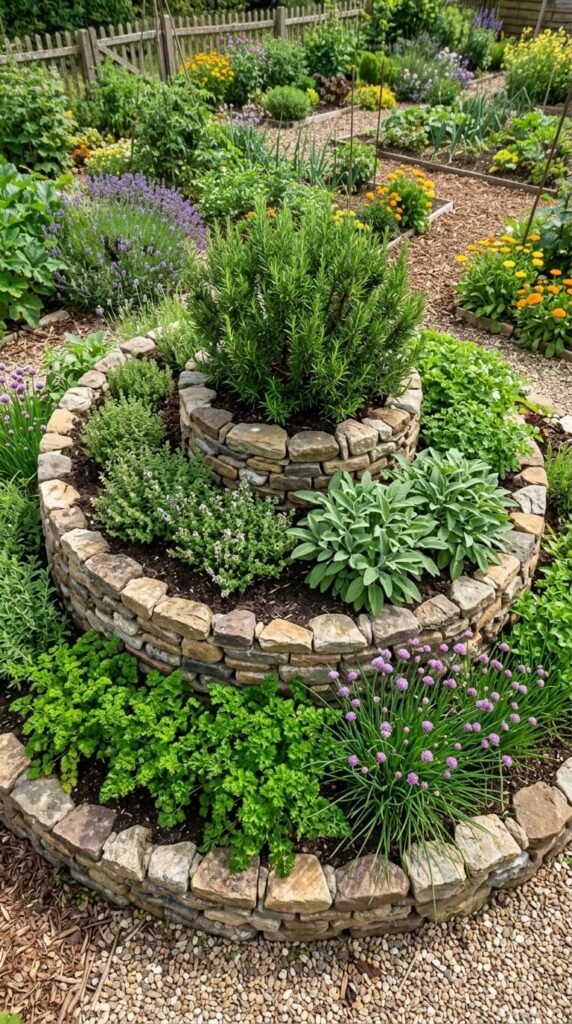
An herb spiral is a raised mound built in a spiral shape from stones or bricks. Because it rises in height toward the center, you get different microclimates in one small space — the top is drier and sunnier, the bottom is moister and shadier. Each zone suits different herbs perfectly. No concrete needed — just stack stones. The whole structure fits in a 5-foot diameter circle. This is one of the most productive small-space designs in permaculture gardening.
23. Floating Wall-Mounted Box Planter
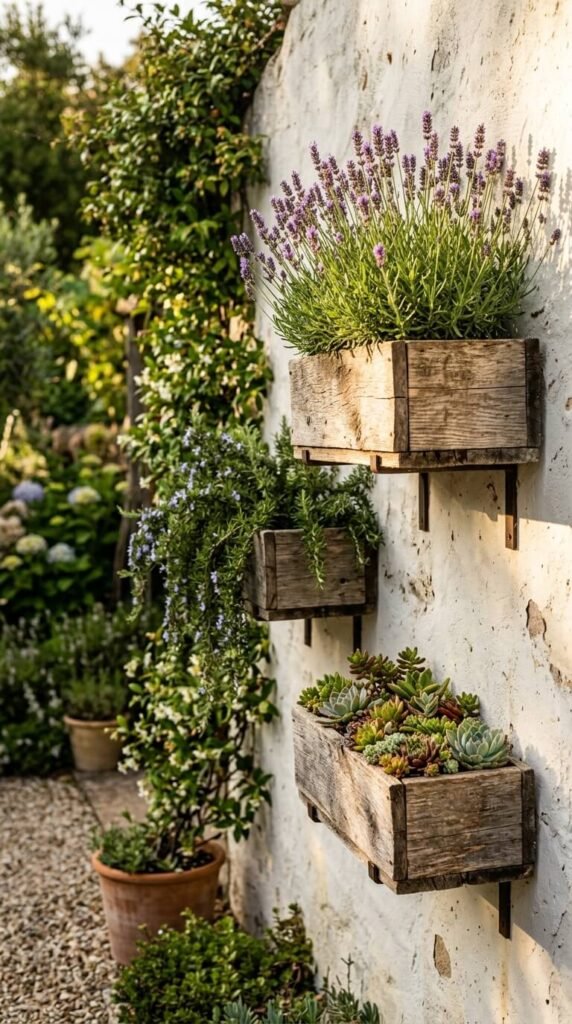
Wall-mounted box planters free up every inch of floor space. Use L-bracket shelf supports rated for outdoor use, and build simple boxes from cedar fence boards. Mount at multiple heights for a gallery-wall effect. Plant with herbs, succulents, or compact flowers. Waterproof the inside of each box with a plastic liner to protect the wall behind. This works especially well on apartment balconies, small patios, or any outdoor wall that gets good sun.
Conclusion
Planter boxes don’t have to be expensive, complicated, or take up a lot of room. The right design turns a fence, a wall, a corner, or even a single pallet into productive growing space. Whether you spend $5 on gutters or $80 on a stock tank, the payoff — fresh herbs, vegetables, and flowers right outside your door — is always worth it. Start with one build that matches your space and your budget. Get that first box growing, then expand from there. The more you grow, the more you’ll want to.