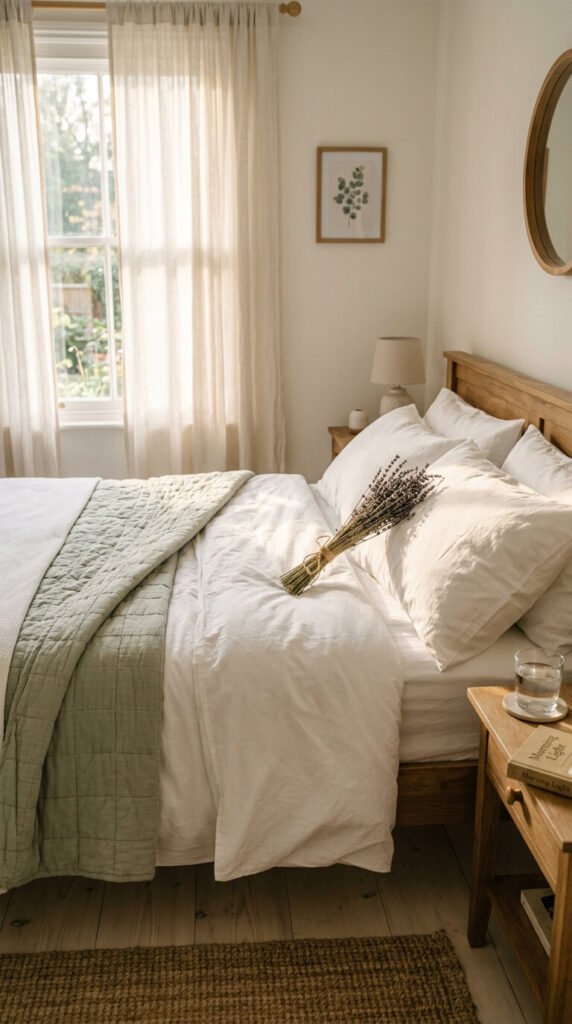
Walking into a bedroom with the wrong bedding in spring feels instantly off. The heavy duvet that saved you in January now sits like a weight you did not ask for. Spring bedding is not just about looks — it is about sleeping cooler, breathing easier, and waking up without that groggy, overheated feeling. Small swaps make a real difference. You do not need to redecorate. You just need to know what to change, what to look for, and how to do it without spending a fortune. These 26 ideas will walk you through every layer of your bed, from the mattress up to the pillowcase.
1. Swap Your Duvet for a Lightweight Quilt
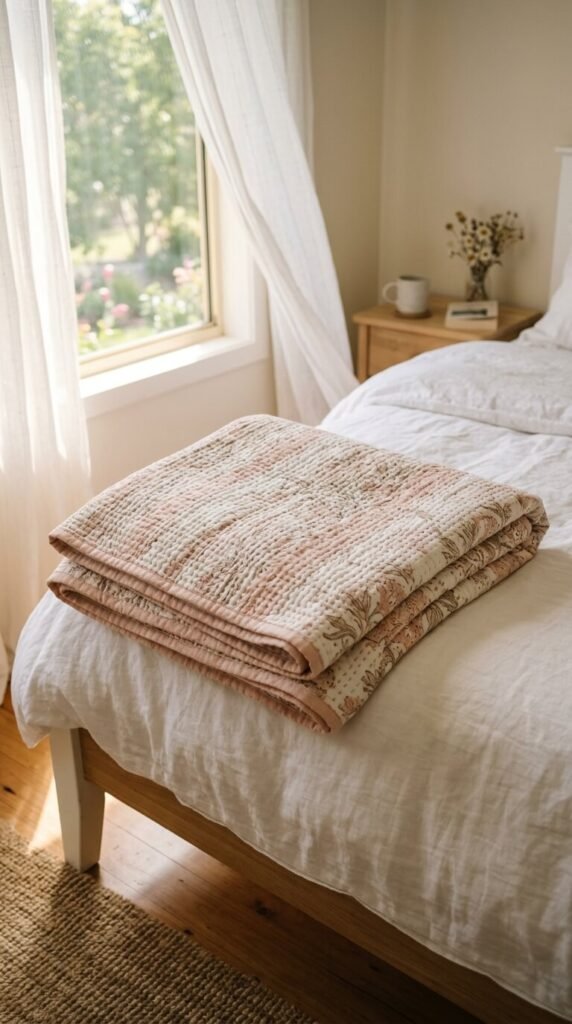
A heavy winter duvet traps too much heat once temperatures start climbing. Switch to a lightweight cotton quilt for instant relief. Quilts breathe better and feel less bulky against your body. You can find decent ones at discount home stores for under $40. Look for a cotton fill — not polyester — since cotton regulates temperature better. Fold it at the foot of the bed during warmer nights and pull it up when you need just a little coverage.
2. Try Percale Sheets Instead of Microfiber
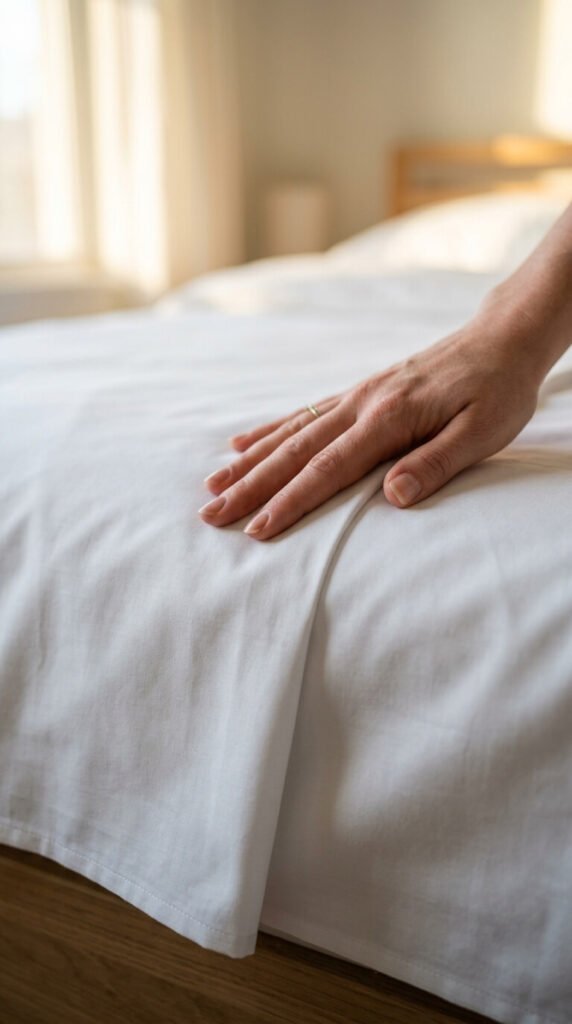
Microfiber feels silky at first, but it holds heat. Percale cotton has a matte, crisp feel that stays cool against your skin. The weave is tighter and more breathable than most budget sheet sets. A thread count between 200 and 400 is the sweet spot — higher does not always mean better. Percale sheets wrinkle easily, which is totally normal. A quick shake out of the dryer usually handles it. Check Amazon Basics or Target’s threshold line for affordable options.
3. Add a Linen Pillowcase to Your Existing Set
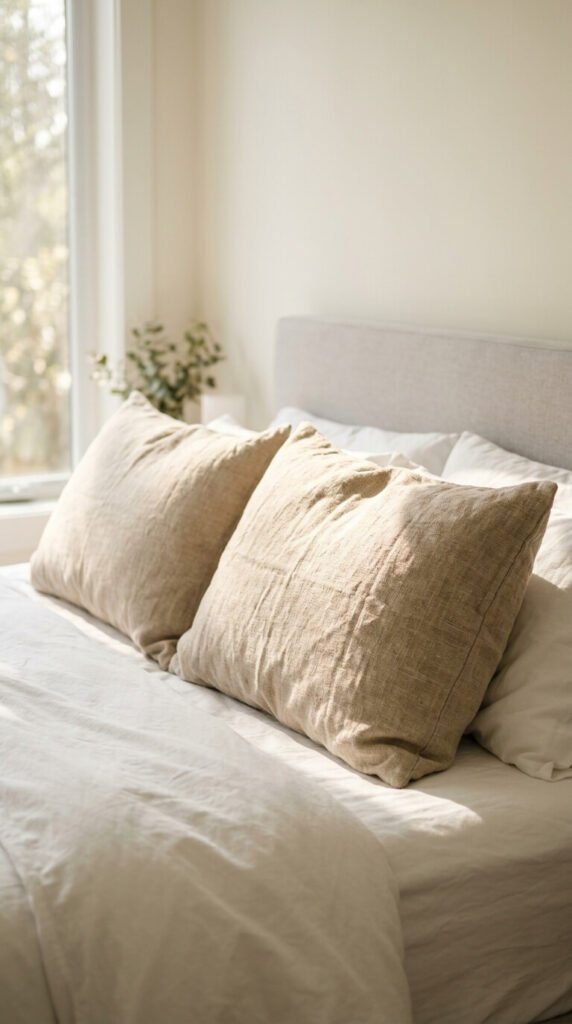
You do not need to replace everything at once. Swapping just your pillowcases to linen makes a noticeable difference. Linen is naturally temperature-regulating and gets softer with every wash. It also dries fast, which means less time waiting on laundry days. Single linen pillowcases can cost as little as $10–$15 each. Start with one and see how it feels. Most people never go back after sleeping on linen against their face.
4. Use a Flat Sheet as Your Only Top Layer
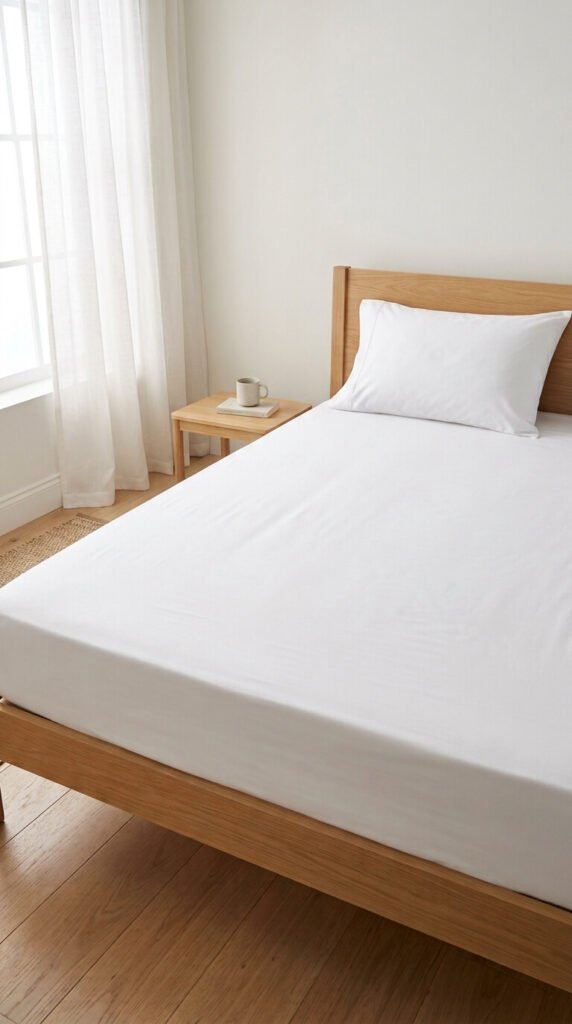
Spring is the perfect time to go minimal. One flat sheet as your only cover keeps things light and cool. This works well on nights that are warm but not hot enough to sleep uncovered. A good flat sheet in percale or linen is all you need. It is also an easy habit for kids who kick off covers — they are less likely to overheat. Store your duvet in a closet bag to keep it dust-free until autumn.
5. Wash Your Pillows, Not Just the Cases
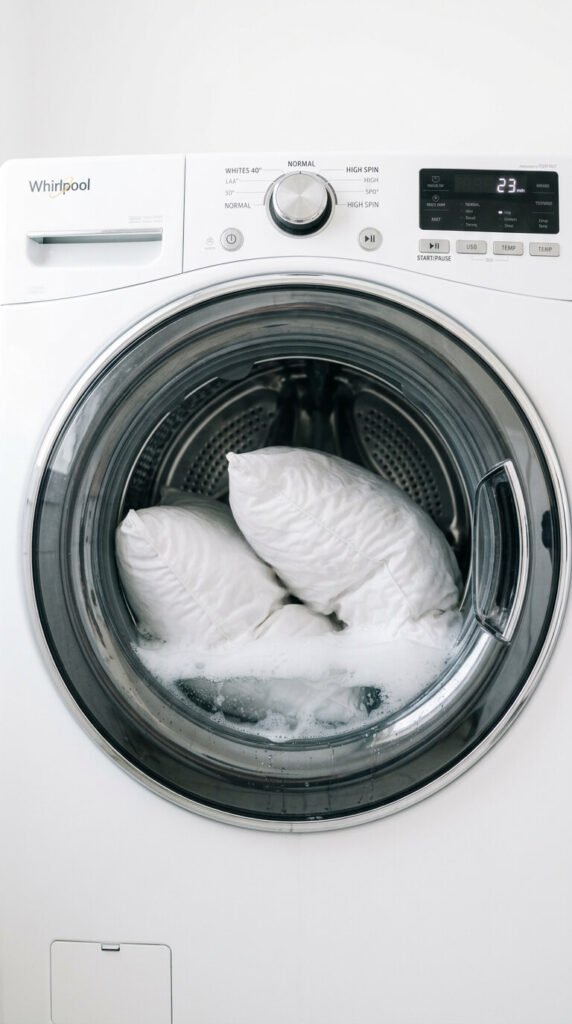
Most people wash their pillowcases weekly but forget the actual pillows. Pillows collect sweat, oil, and dust mites over months of use. Washing them in spring gives you a genuinely cleaner sleep surface. Most synthetic and down-alternative pillows can go in a regular washing machine. Use a gentle cycle with warm water and an extra rinse. Add two tennis balls to the dryer to keep the fill fluffy. Do this every six months at minimum.
6. Try a Cotton Waffle Blanket as a Mid-Layer
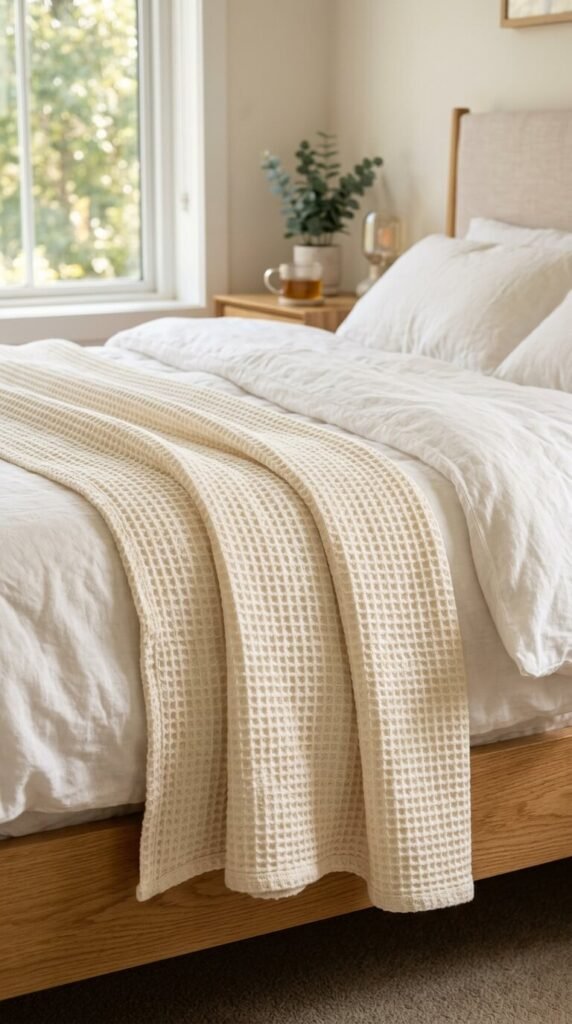
A waffle blanket sits between a flat sheet and a duvet — perfect for spring’s unpredictable nights. The grid weave traps air and adds just enough warmth without overheating. It is also visually interesting, which helps if you are going for a minimal bed look. Waffle blankets wash and dry quickly. IKEA, H&M Home, and Amazon all carry them under $35. They also double as a couch throw during the day.
7. Switch to a Bamboo Sheet Set
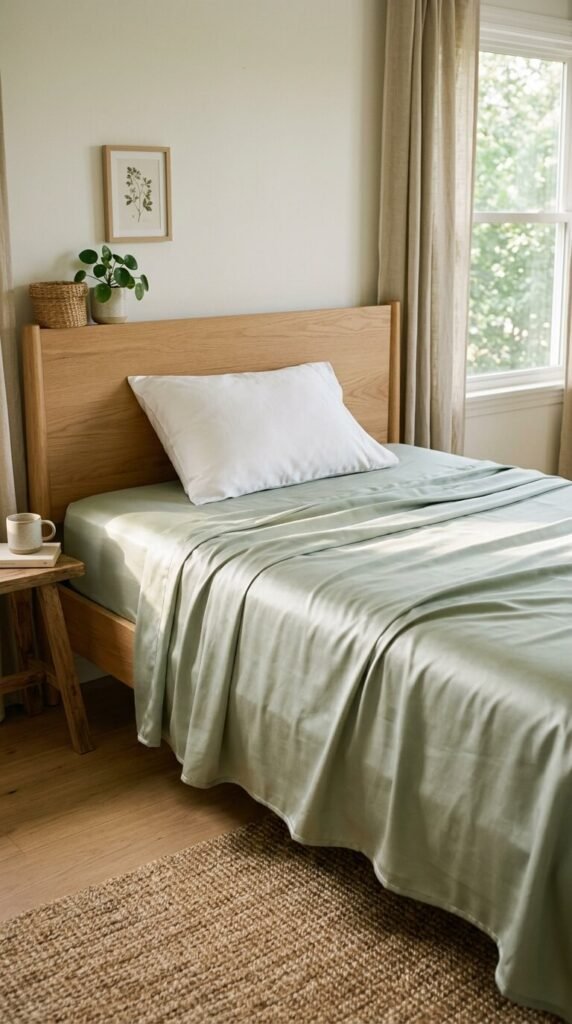
Bamboo sheets are one of the best options for hot sleepers. They are softer than cotton, moisture-wicking, and stay cool even on warm nights. The fabric has a slight silky drape that feels luxurious without the luxury price tag. Brands like Mellanni and Cariloha offer bamboo-blend sheets in the $30–$70 range. Look for “100% bamboo viscose” on the label. They do require a gentle wash cycle to maintain softness over time.
8. Air Out Your Mattress Topper

Before adding new spring bedding, give your mattress topper some fresh air. Toppers absorb body heat and moisture over winter and benefit from a few hours in open air and sunlight. Sunlight naturally kills bacteria and reduces odors. Drape it over a railing or lay it flat outside for 2–4 hours on a dry day. If it is machine washable, run it through a gentle cycle first. A clean topper changes how the whole bed feels.
9. Use a Cooling Mattress Pad
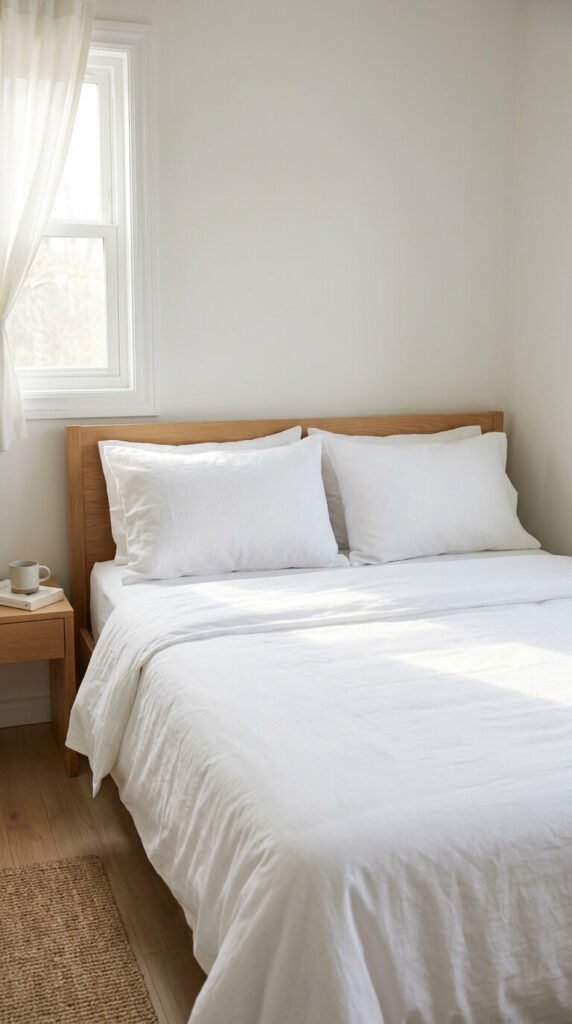
A cooling mattress pad sits between your mattress and sheet and can lower your surface temperature noticeably. Look for pads with a cotton top layer or those labeled “moisture-wicking.” Phase-change material pads are more expensive but extremely effective for hot sleepers. Budget option: a simple cotton-filled pad under $40 still makes a difference compared to a thick memory foam topper. Replace or wash the pad cover every spring as part of your reset.
10. Reduce Your Pillow Count
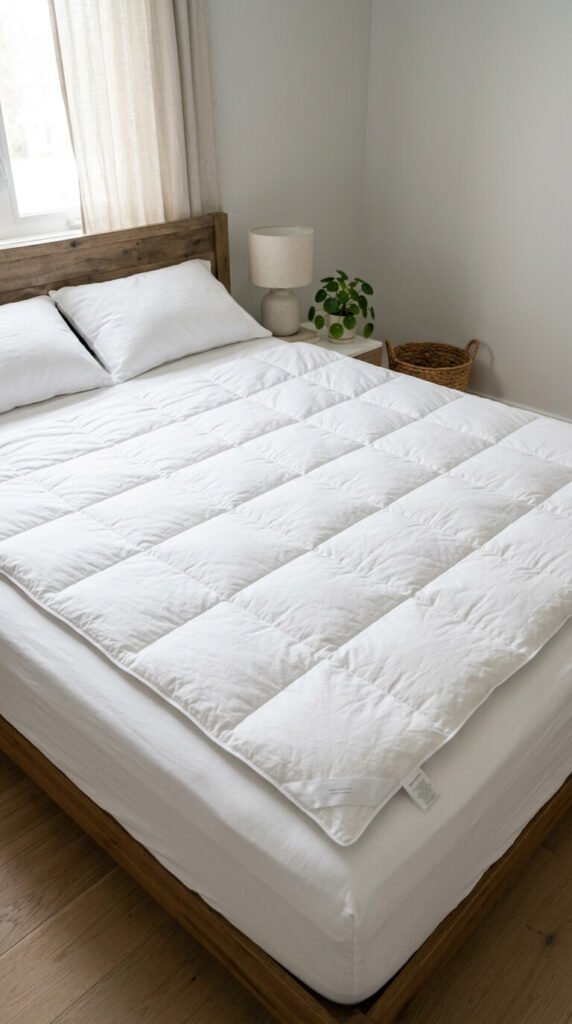
Too many pillows trap heat around your head and shoulders. Cut back to two sleeping pillows and store the decorative ones for the season. A cleaner bed also feels less cluttered, which genuinely helps with sleep onset. If you love the styled look, try one simple lumbar pillow in a breathable linen cover instead of a pile of cushions. Less is noticeably cooler, especially if your pillows have synthetic fills.
11. Choose a Light Duvet Insert for Layering
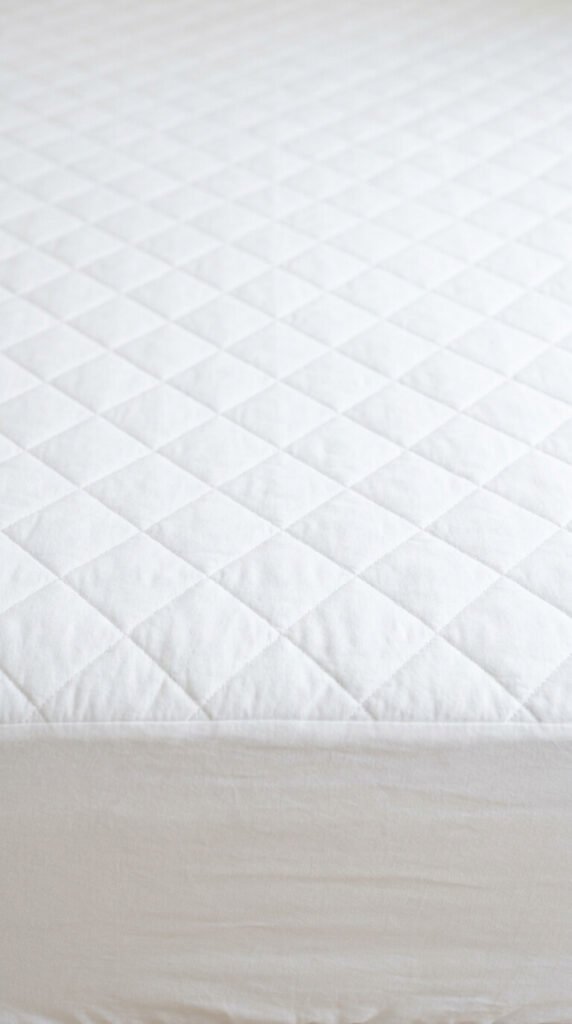
If you cannot give up a duvet completely, swap to a summer-weight insert. These are rated at 4–5 TOG (a warmth rating) instead of the 10–13 TOG you use in winter. You stay covered without sweating. Ikea’s Stjärnbräcka or Amazon’s Utopia Bedding summer inserts cost under $30 and work well inside your existing cover. Keep the winter insert stored in a breathable cotton bag under the bed or in a closet.
12. Wash All Bedding in Cooler Water
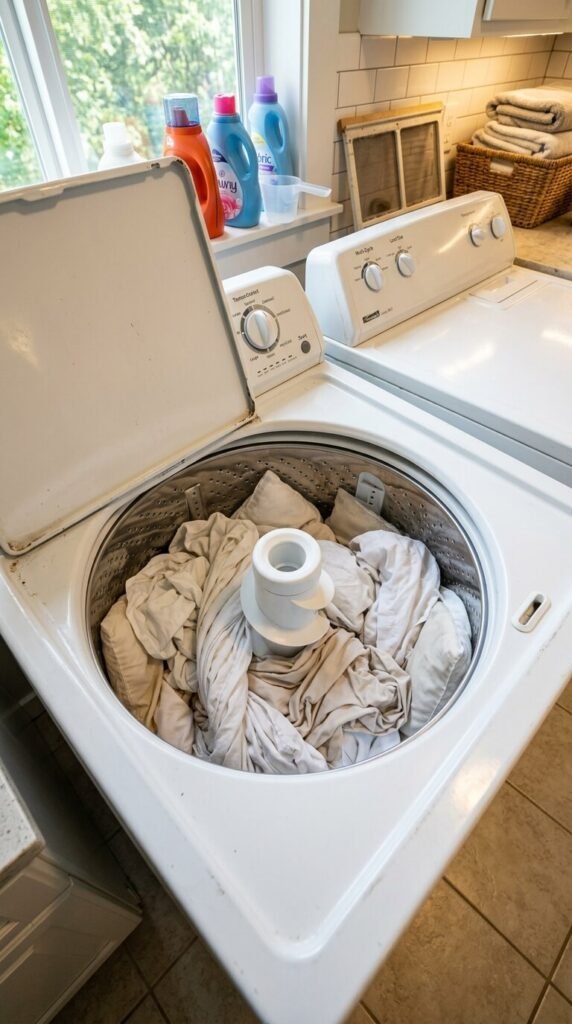
Hot water wash cycles can shrink cotton and damage elastic over time. Cold or warm water at 30–40°C cleans just as effectively for regular bedding maintenance. It also saves energy, which matters if you are doing this weekly. Use a mild liquid detergent without optical brighteners if your sheets are colored. For a spring clean, one warm wash with a half cup of white vinegar (added to the rinse cycle) removes any winter mustiness without harsh chemicals.
13. Introduce a Subtle Spring Color to Your Pillow Cases
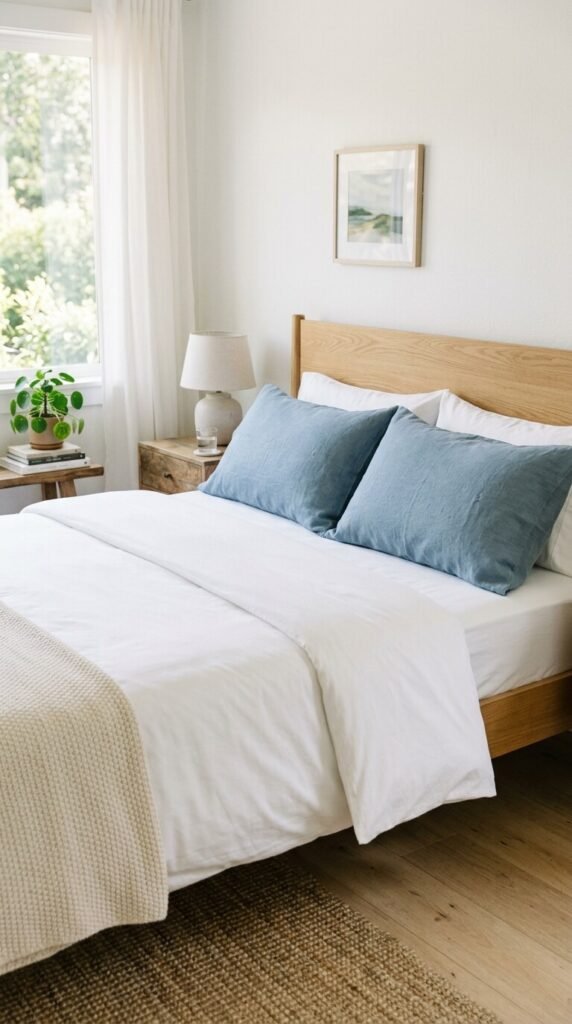
You do not need new sheets to make the bed feel seasonal. Swap just the pillowcases to a soft spring color — sage, dusty blue, or warm terracotta all work well. One pair of colored pillowcases costs $8–$15 and immediately changes the energy of the room. Match the tone to what is already in your bedroom rather than buying new decor. A single color accent reads more deliberate than a full pattern change.
14. Store Heavy Blankets Properly
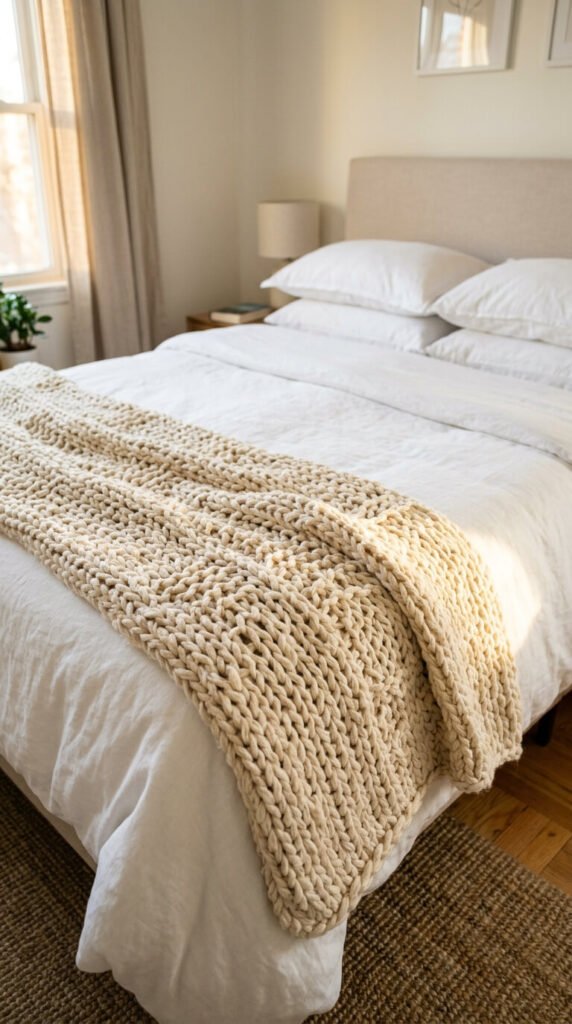
Heavy winter blankets take up space and collect dust when left out. Vacuum storage bags compress them down to a fraction of their size. One large bag can hold two thick blankets. Wash everything before storing — never store bedding that has been slept on without washing first. Add a cedar block or lavender sachet inside the bag to deter moths and keep things smelling clean. Label the bag so you are not digging through the closet in October.
15. Try a Knit Cotton Throw at the Foot of the Bed
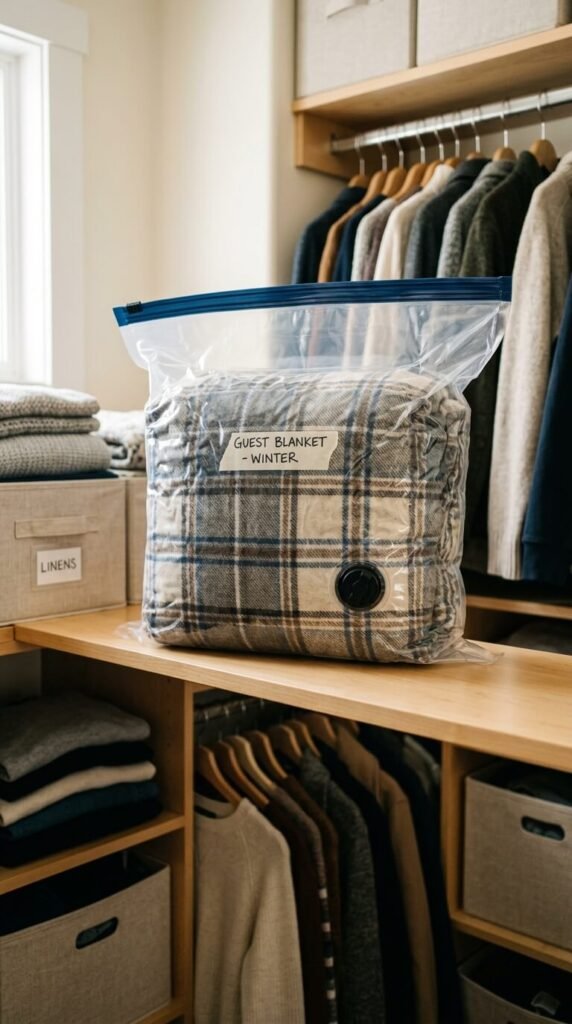
A loosely knit cotton throw adds visual texture without adding much weight. It sits at the foot of the bed for those nights when you want something to pull up without committing to a full blanket. Cotton knit throws breathe well and are machine washable. You can find them at H&M Home, TJ Maxx, or Anthropologie. If you knit, a simple garter stitch or seed stitch pattern in a bulky cotton yarn is a fast weekend project.
16. Add a Mattress Encasement for Allergy Season
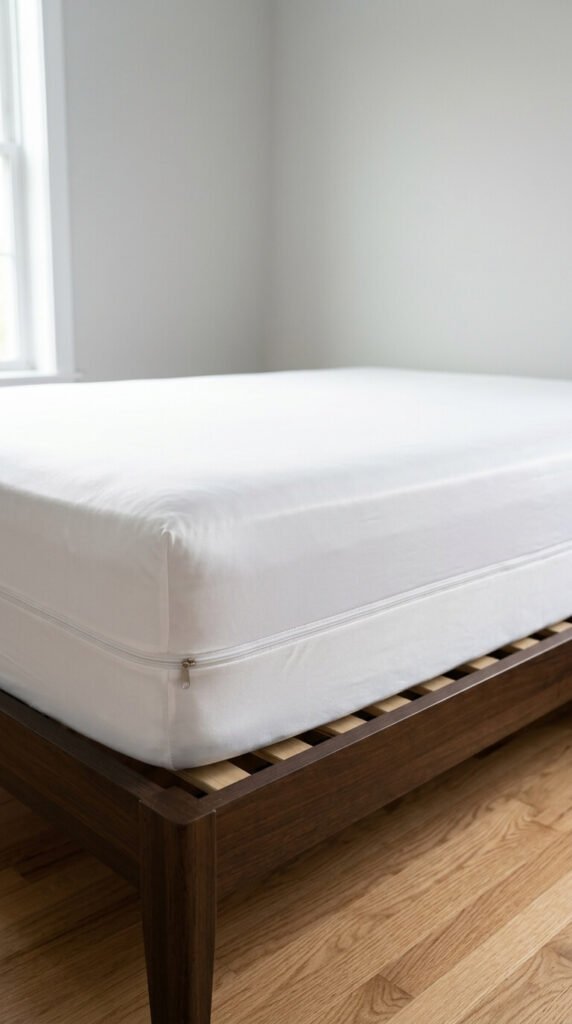
Spring means pollen, and a mattress encasement keeps allergens from getting into the foam or springs. This is different from a mattress pad — it fully zips around the mattress like a cover. It blocks dust mites, pollen, and pet dander from settling inside. Look for breathable, non-vinyl options. SafeRest and AllerEase both make good ones in the $30–$60 range. Once on, you rarely need to remove it — just wipe the surface as needed.
17. Use a Bedsheet Strap to Keep Things Tidy
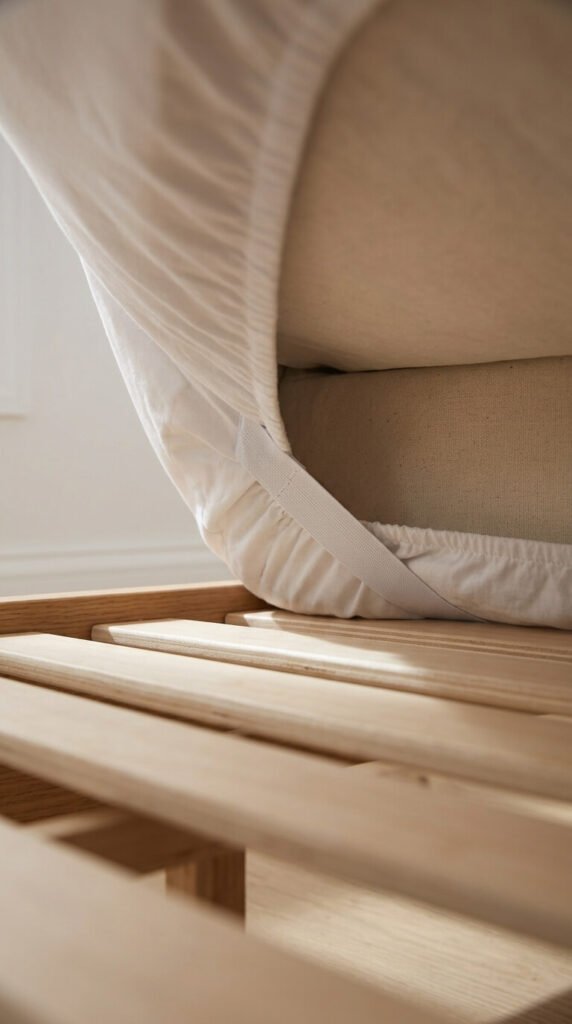
Spring cleaning often means washing bedding more often, and sheets that slip off are frustrating. Bed sheet straps clip under the mattress corners and hold fitted sheets in place through the night. A set of four costs about $7–$10 and works on any mattress size. They are especially useful on thicker mattresses where regular fitted sheets tend to pop off. Small detail, but it keeps the bed looking made and sleeping comfortably.
18. Spritz Your Sheets with a Linen Spray

A linen spray adds a subtle scent that makes freshly made bedding feel even more inviting. Lavender and eucalyptus are the most popular for sleep. You can buy a good one for $10–$15, or make your own: fill a small spray bottle with water, a tablespoon of witch hazel, and 15 drops of lavender essential oil. Spray lightly from 12 inches away after making the bed. Do not soak the fabric — a fine mist is enough.
19. Replace Old Pillows That Have Lost Their Shape

Most pillows should be replaced every 1–2 years. A simple test: fold your pillow in half and let go. If it does not spring back, it is no longer supporting your neck. Spring is a good time to check this. Budget-friendly replacement options include Amazon Basics gel-fiber pillows or Beckham Hotel Collection pillows, both under $30 for a two-pack. New pillows noticeably improve sleep quality for most people who have been using old, flat ones.
20. Hang Bedding Outside on a Dry Day
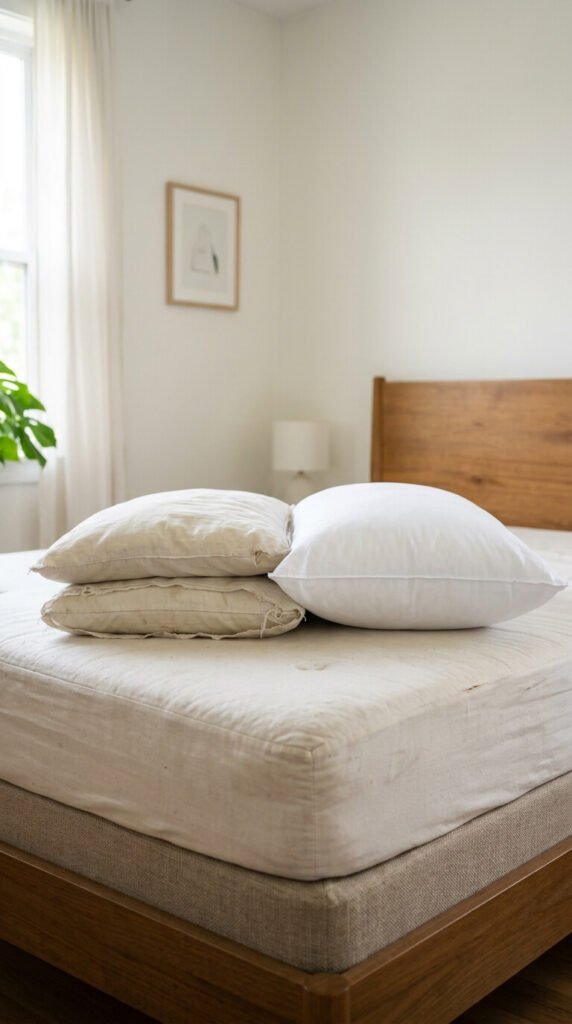
Nothing quite matches the smell of line-dried bedding. If you have outdoor space, hang sheets on a dry, breezy spring day instead of using the dryer. Sunlight acts as a natural disinfectant and the air removes any leftover mustiness from winter storage. Even two hours outside makes a difference. If you do not have a yard, a drying rack near an open window works almost as well. The bedtime routine feels completely different when sheets smell like open air.
21. Try a Buckwheat or Cooling Pillow Fill
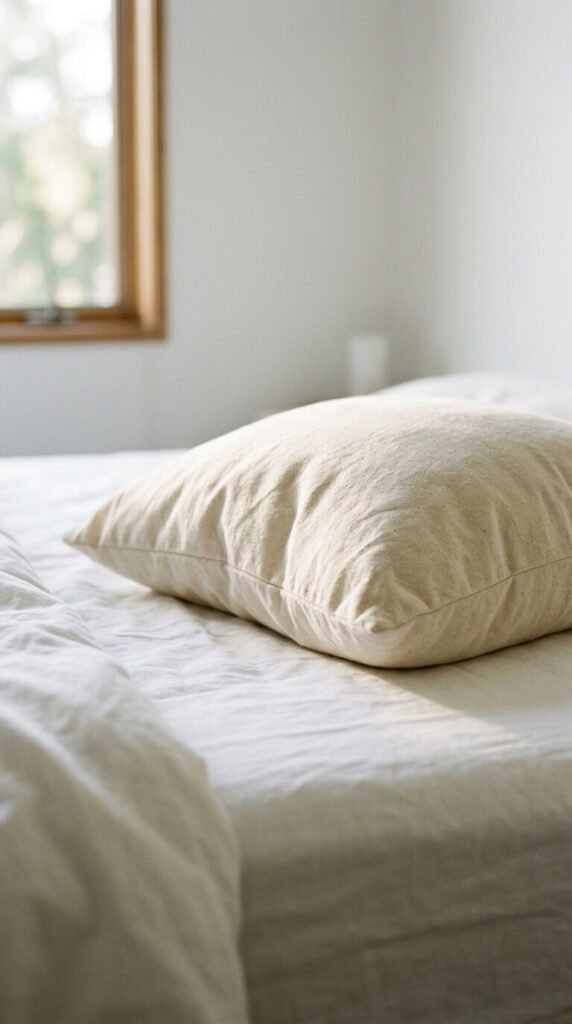
If you overheat at night, pillow fill matters as much as sheet fabric. Buckwheat pillows do not trap heat because air moves freely between the hulls. Cooling gel pillows have a phase-change material layer that absorbs body heat. Both are available on Amazon in the $30–$60 range. Buckwheat pillows are also adjustable — remove some fill to make them softer or add more for firmer support. A cooler pillow can be the single biggest change for night-time comfort.
22. Add a Light Canopy or Bed Net
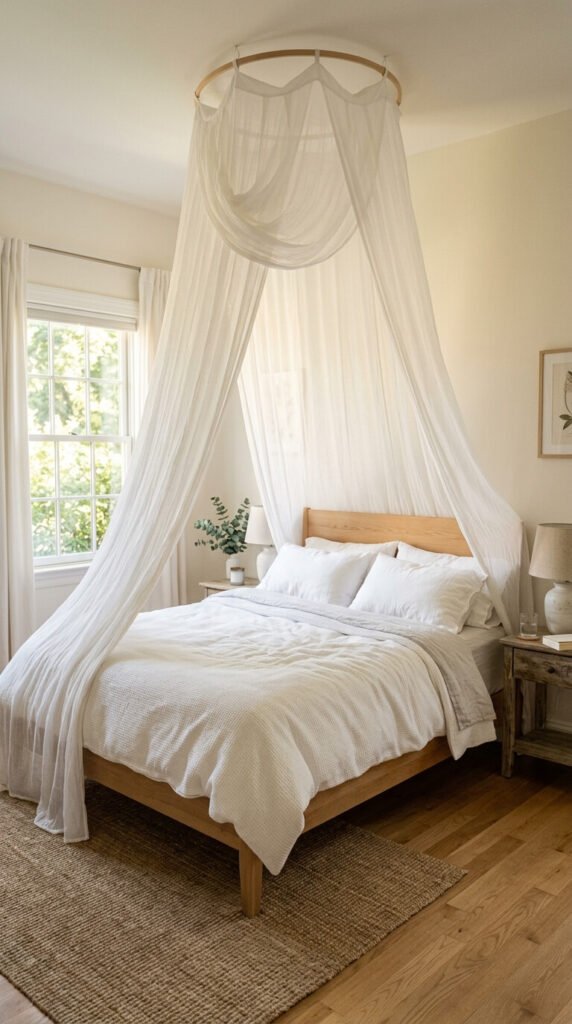
A lightweight fabric canopy or bed net adds a soft visual layer without adding warmth. In spring, it makes the bedroom feel relaxed and seasonal. Sheer cotton or linen canopies attach to a ceiling hook or a canopy frame and need no sewing skills to install. They also block early morning light from waking you if your curtains are thin. Options on Amazon or Etsy start around $20. It is a small change with a noticeably large visual impact.
23. Use a Duvet Cover to Change the Whole Look
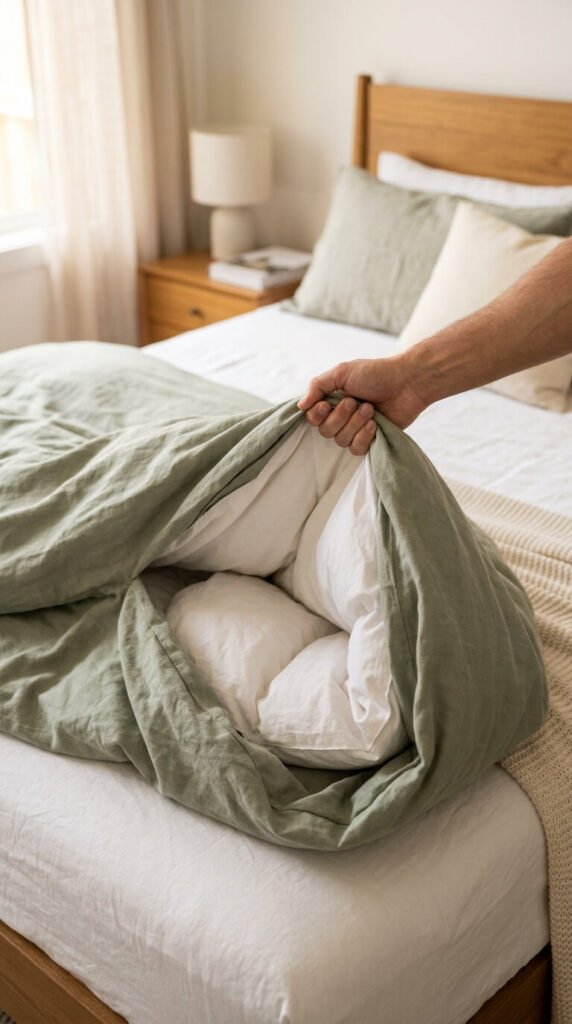
You do not need new bedding — a new duvet cover does the same job for less. A cover completely changes the look and feel of your existing insert. Spring is a good time to try a lighter color or a subtle pattern. Washed cotton or linen-blend covers feel softer than standard cotton and arrive looking slightly relaxed rather than stiff. A single duvet cover costs $20–$50 at most stores. Wash it before first use — the fabric softens considerably.
24. Place a Small Fan Near the Bed for Air Circulation

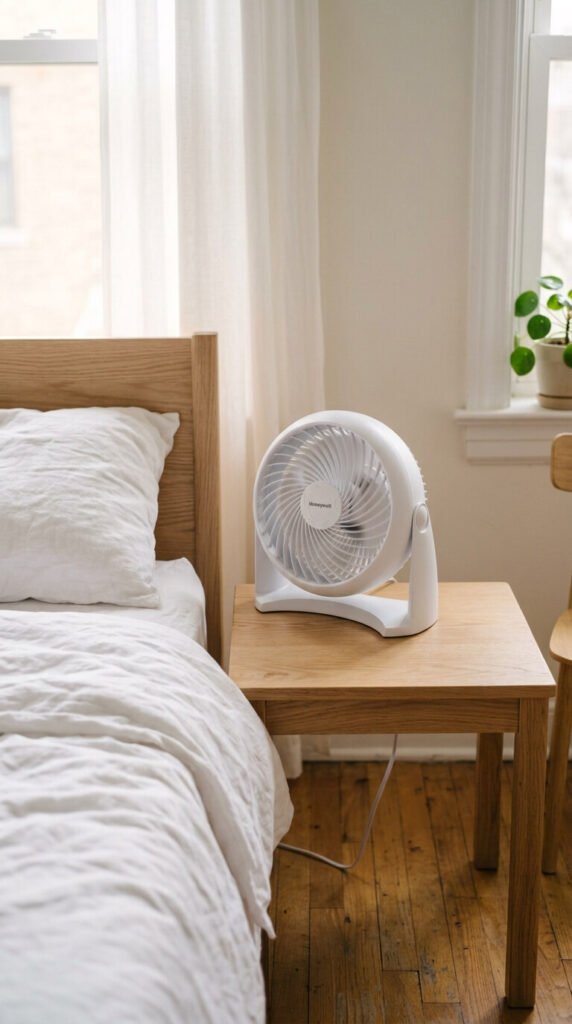
This is not technically bedding, but air circulation changes how your bedding performs. A fan moving air across your sheets pulls heat away from your body. Even on cool spring nights, a fan set to low makes a surprising difference. Place it near the foot of the bed aimed toward your body rather than directly at your face. A basic box fan or tower fan in the $20–$40 range is enough. The white noise is also a sleep aid for many people.
25. Use Pillowcase Protectors Under Your Main Cases
A pillow protector is a thin, washable layer that goes over the pillow and under your decorative pillowcase. It extends pillow life by blocking sweat and oil from reaching the fill. Spring is when you sweat more during sleep, so protectors become more useful. Wash them weekly with your sheets. A four-pack of basic cotton pillow protectors costs around $10. They are low effort and genuinely extend the lifespan of pillows that would otherwise need replacing sooner.
26. Reset Your Whole Bed With a 20-Minute Weekly Routine
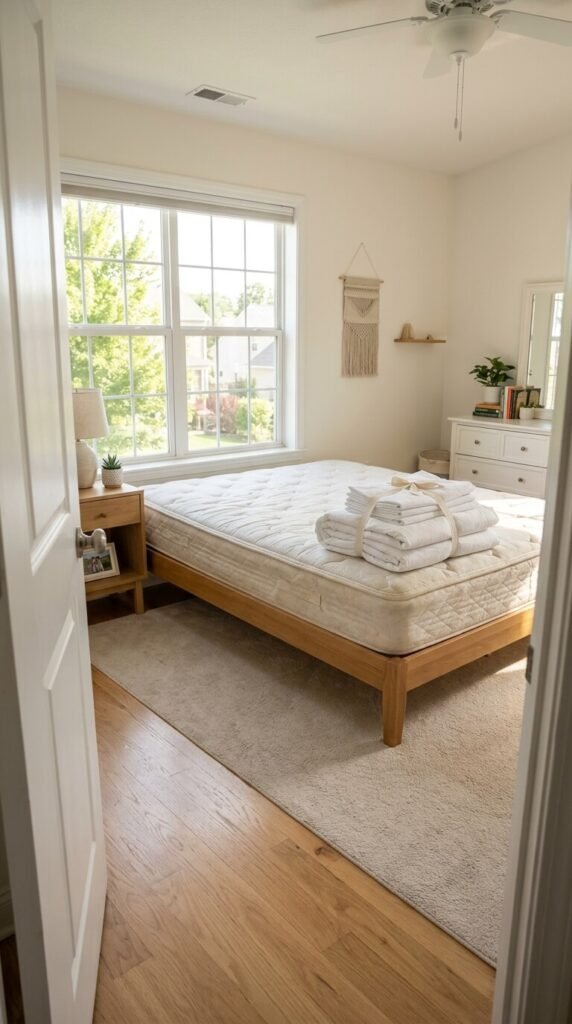
All the swaps above work best when paired with a consistent weekly reset. Strip the bed, air out the mattress for 30 minutes, wash everything, and remake it with fresh layers. It takes about 20 minutes once you have a system. Keep your spring bedding folded in one place so there is no digging around. A consistent routine means you always sleep on clean bedding, which directly improves how quickly you fall asleep and how rested you feel the next morning.
Conclusion
Spring bedding does not require a full bedroom overhaul. Most of the changes here cost under $30 and take under an hour to do. Start with the easiest win — swapping your pillowcases to linen, pulling out a lighter quilt, or washing your pillows for the first time in months. Build from there. The goal is a bed that feels genuinely cooler, cleaner, and more inviting than what you slept in all winter. Better sleep does not always come from a new mattress or expensive supplements. Sometimes it starts with pulling back a heavy duvet and replacing it with something lighter. Try one swap this week and see how much of a difference it makes.