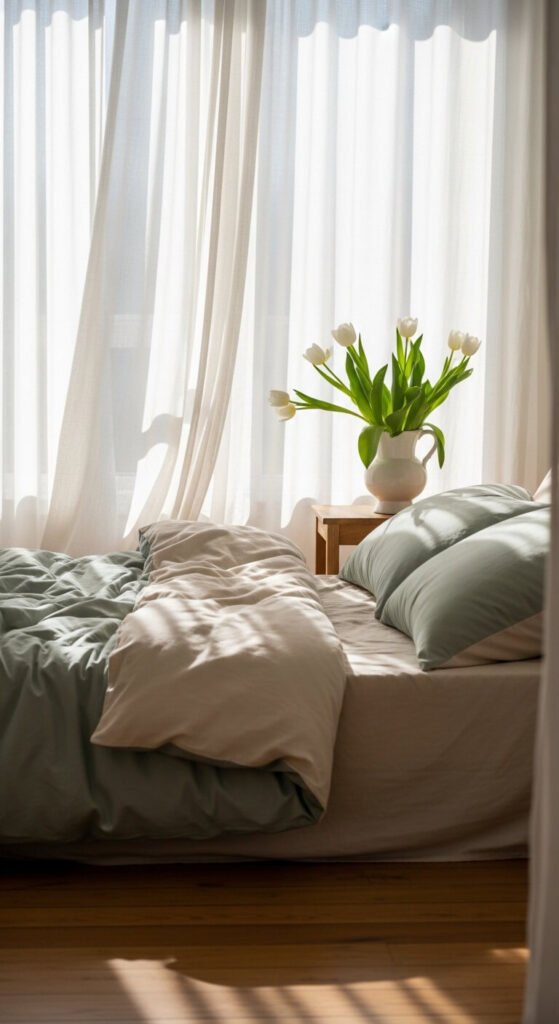
Spring is the perfect time to rethink your bedroom. After months of heavy blankets and dark evenings, your sleep space deserves a lighter, calmer look. The right changes — even small, affordable ones — can make falling asleep easier and waking up feel genuinely good. You don’t need a full renovation. A few thoughtful swaps in color, texture, light, and scent can completely change how your bedroom feels. This list covers 29 simple, budget-friendly ways to give your bedroom a spring refresh that actually supports better sleep.
1. Swap Heavy Curtains for Sheer Linen Panels
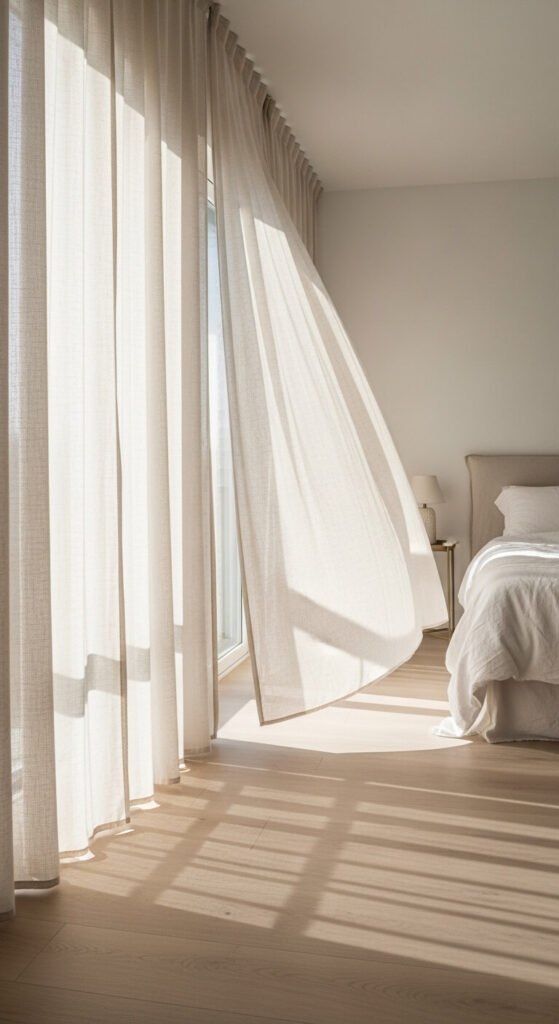
Heavy blackout curtains can make a room feel stuffy and dark even in the morning. Sheer linen panels let in soft, diffused light that naturally signals your body to wake up gently. At night, they still offer privacy without blocking airflow. You can find budget linen panels at IKEA or Amazon for under $30 a pair. Hang them high — close to the ceiling — to make the room feel taller and more open. It’s one of the easiest changes you can make.
2. Layer Lightweight Blankets Instead of One Heavy Duvet
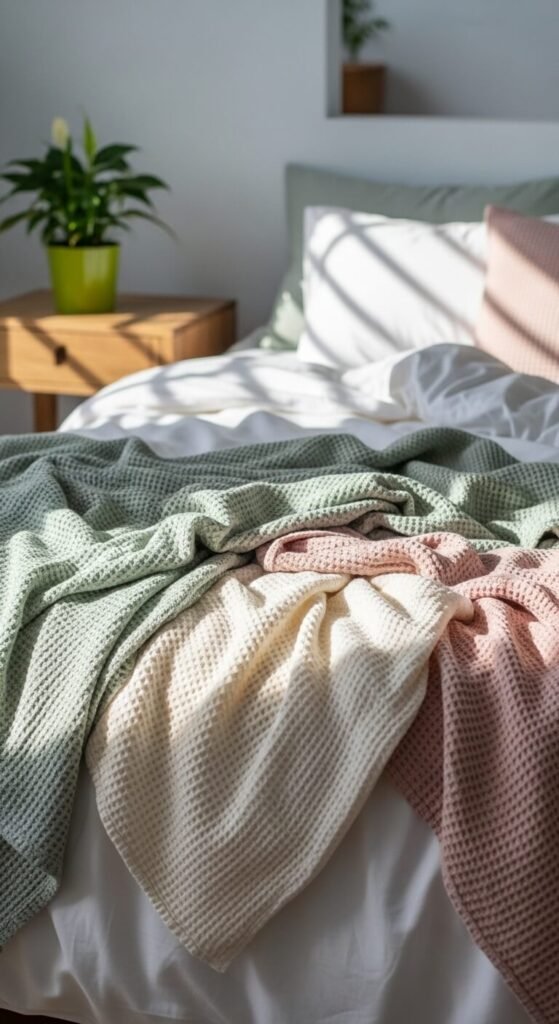
One thick duvet can trap too much heat as temperatures rise. Layering two or three lighter blankets lets you peel back what you don’t need during the night. Try a cotton waffle blanket as the base, a thin quilt on top, and a lightweight throw at the foot of the bed. Thrift stores and discount home stores often have these for just a few dollars each. You stay comfortable without overheating — and the layered look is beautiful too.
3. Paint One Wall a Soft, Earthy Green
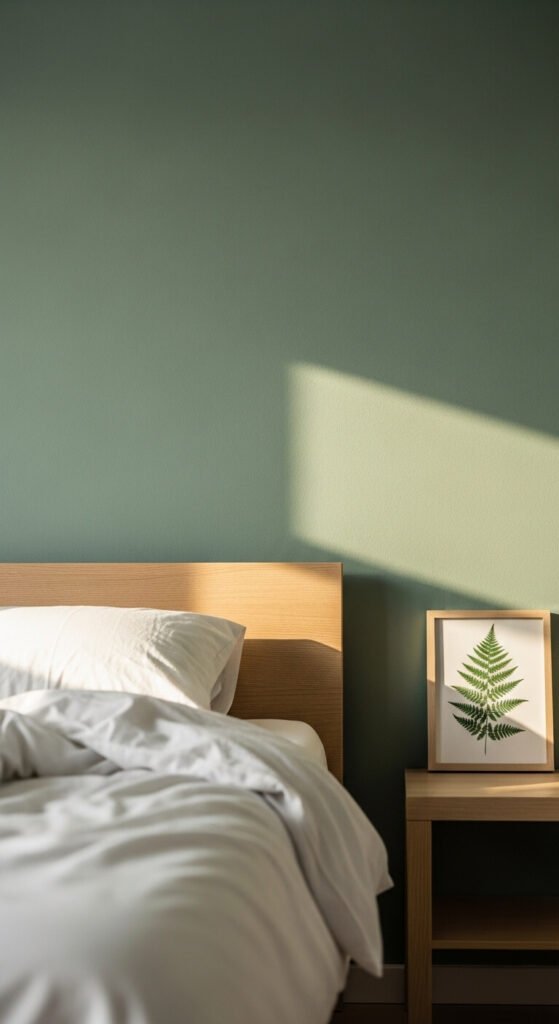
Color has a real effect on how relaxed you feel. Soft greens like sage, moss, or eucalyptus are proven to lower stress and create a sense of calm. You don’t need to paint the whole room — one accent wall behind the bed makes a big statement. A quart of paint costs around $15–$25 at most hardware stores. It’s a weekend DIY project that completely changes the mood of the space without breaking your budget.
4. Bring in One or Two Potted Plants
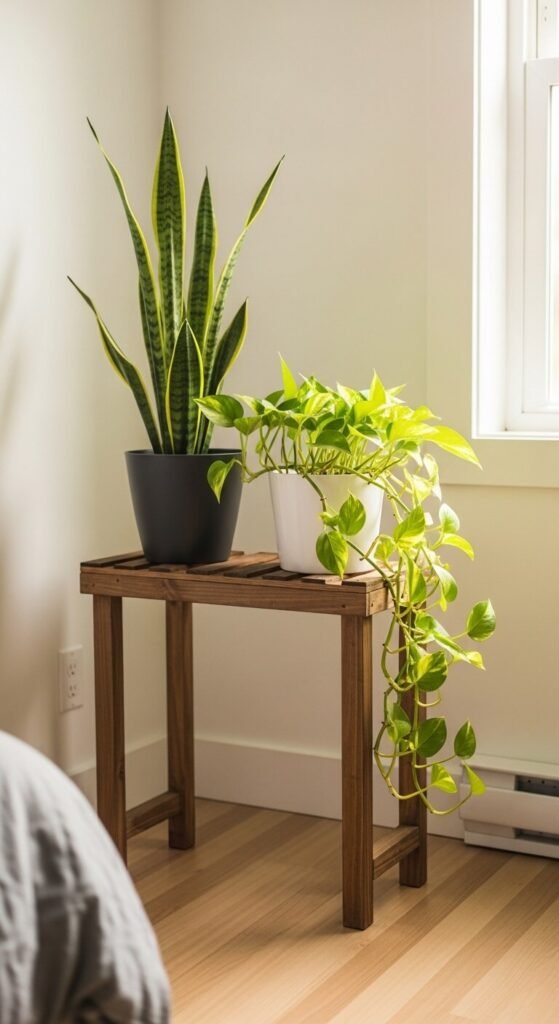
Plants make a bedroom feel alive and connected to the outdoors. Snake plants and pothos are both nearly impossible to kill and thrive in low light. They also help filter indoor air, which can make breathing easier while you sleep. A 4-inch starter plant costs under $10 at a garden center or grocery store. Place one on a nightstand and one on a shelf or dresser. You don’t need a green thumb — just water them once a week.
5. Replace Your Pillowcases with 100% Cotton Ones

Synthetic pillowcases trap heat and can irritate skin. 100% cotton pillowcases breathe better, feel softer, and stay cooler throughout the night. Percale cotton is especially good for warm sleepers. You can find a two-pack for under $15 at Target or online. Wash them weekly in cool water to keep them fresh. This is one of the smallest changes on this list — but your face and sleep quality will both notice the difference.
6. Add a Small Bedside Water Carafe and Glass
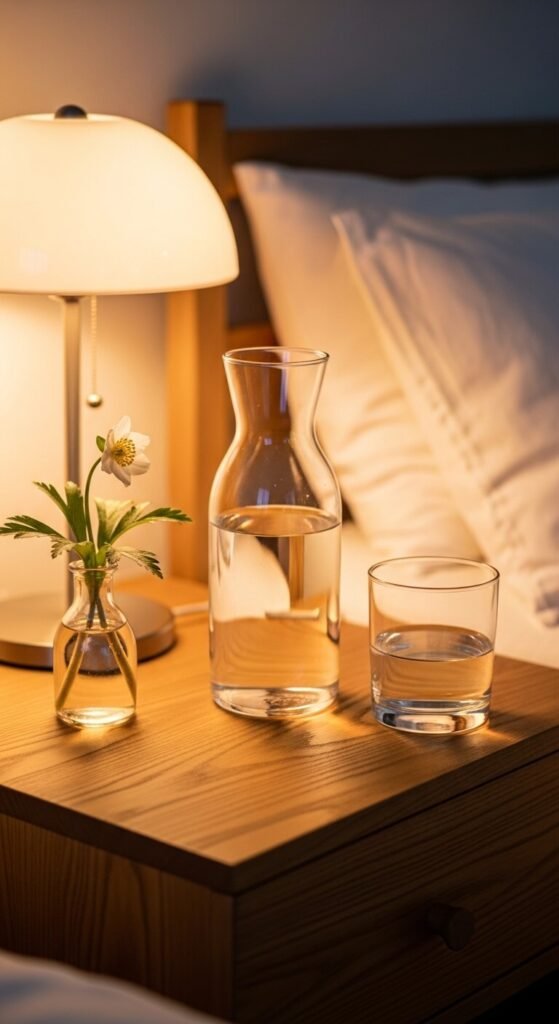
Waking up thirsty in the middle of the night disrupts your sleep. Keeping water on your nightstand means you never have to get up to find it. A simple glass carafe looks beautiful and keeps water cool. You can find one at a thrift store or dollar store for almost nothing. Add a few fresh mint leaves or a slice of lemon before bed to make it feel like a small luxury. It’s a tiny habit that makes your nighttime routine feel more intentional.
7. Use a Himalayan Salt Lamp as a Nightlight
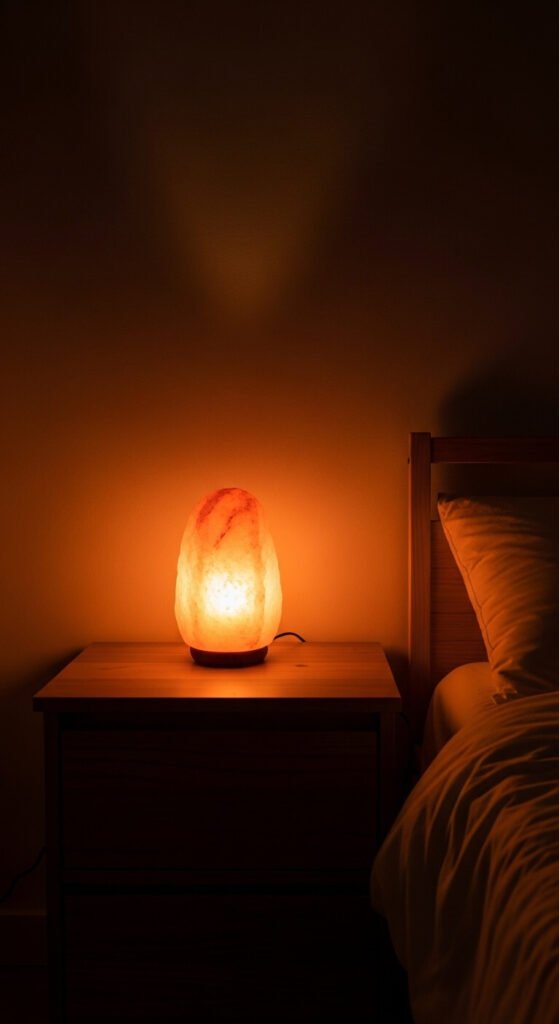
Bright lights before bed suppress melatonin and make it harder to fall asleep. A Himalayan salt lamp gives off a soft, warm amber glow that signals your brain it’s time to wind down. It doubles as a gentle nightlight if you wake up during the night. Most salt lamps cost between $15 and $30. Plug it in about an hour before bed and let it replace harsher overhead lighting. The warm color is far gentler on your eyes than white LED bulbs.
8. Declutter Your Nightstand Down to Three Items
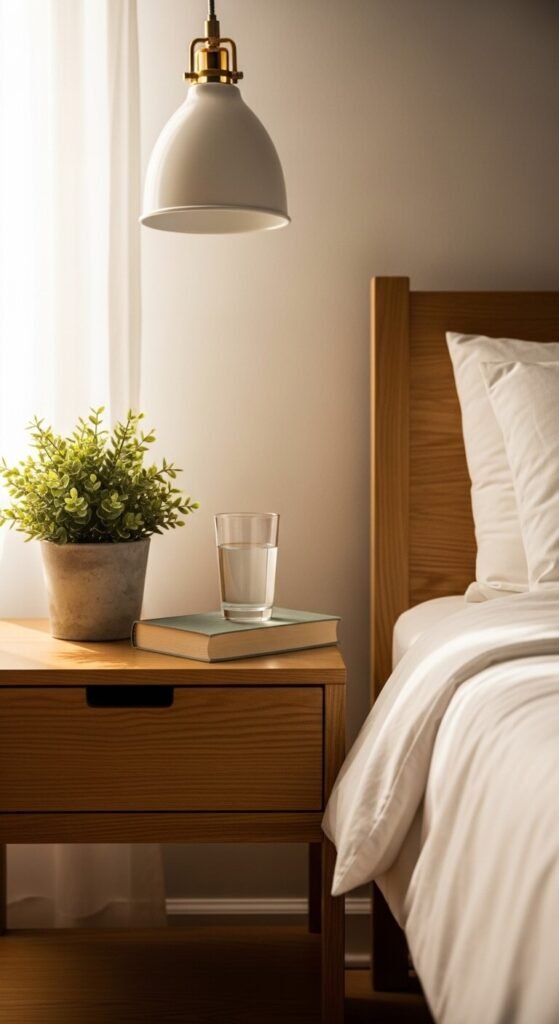
A cluttered nightstand creates low-level visual stress that can make your mind race at bedtime. Limit your nightstand to three things: a lamp, a glass of water, and one book or journal. Clear everything else into a small drawer or basket underneath. You’ll fall asleep more easily when your brain isn’t processing a pile of objects. Spend 10 minutes clearing it out tonight. The calm you feel when you wake up will make you want to keep it that way.
9. Hang Lightweight Botanical Prints
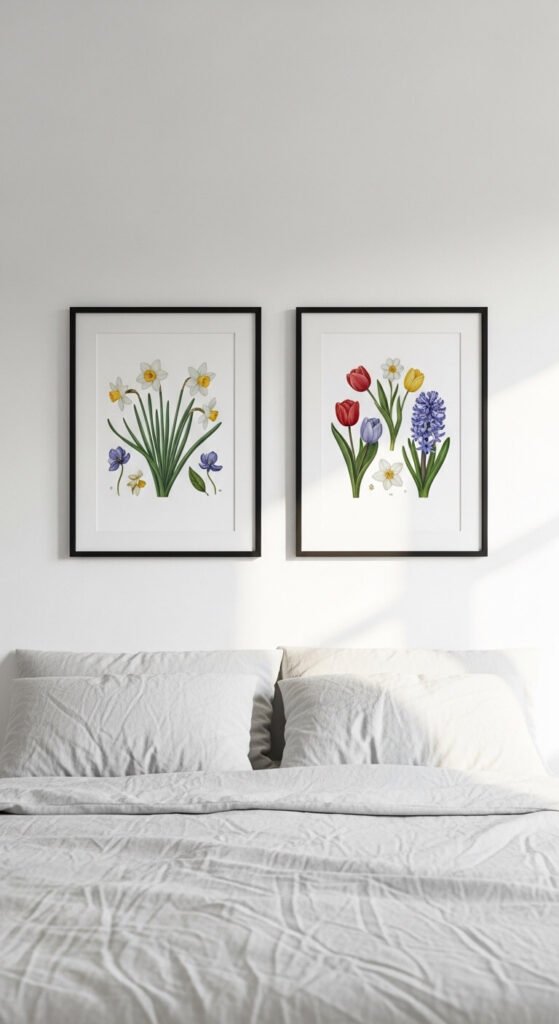
Art in the bedroom should calm you — not stimulate you. Simple botanical prints of wildflowers, ferns, or leaves connect the space to nature and create a peaceful visual anchor. You can print free botanical art from websites like Unsplash or the Biodiversity Heritage Library, frame it yourself, and spend under $10 total. Hang two matching prints symmetrically above the headboard for a clean, finished look. Thrift store frames work perfectly and add a little character.
10. Put a Lavender Sachet Under Your Pillow
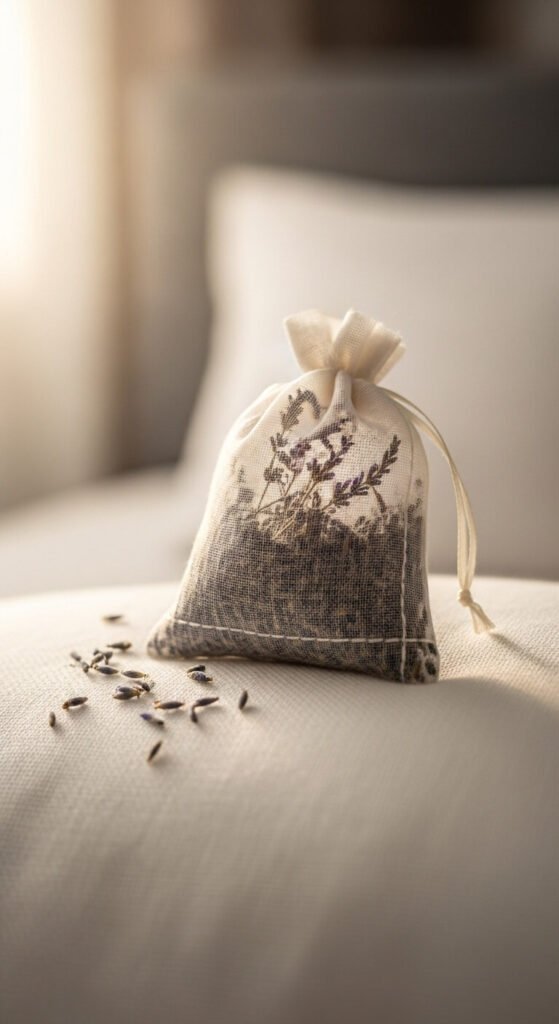
Lavender has well-documented calming effects on the nervous system. A dried lavender sachet placed under your pillow releases a gentle scent as you sleep and can help reduce nighttime restlessness. You can buy pre-made sachets for under $5 at a craft store or make your own with a small muslin bag and dried lavender from the bulk herbs section. Replace the sachet every few months when the scent fades. It’s one of the simplest sleep aids you can try.
11. Switch to Warm-Toned Bulbs in Your Bedroom Lamps
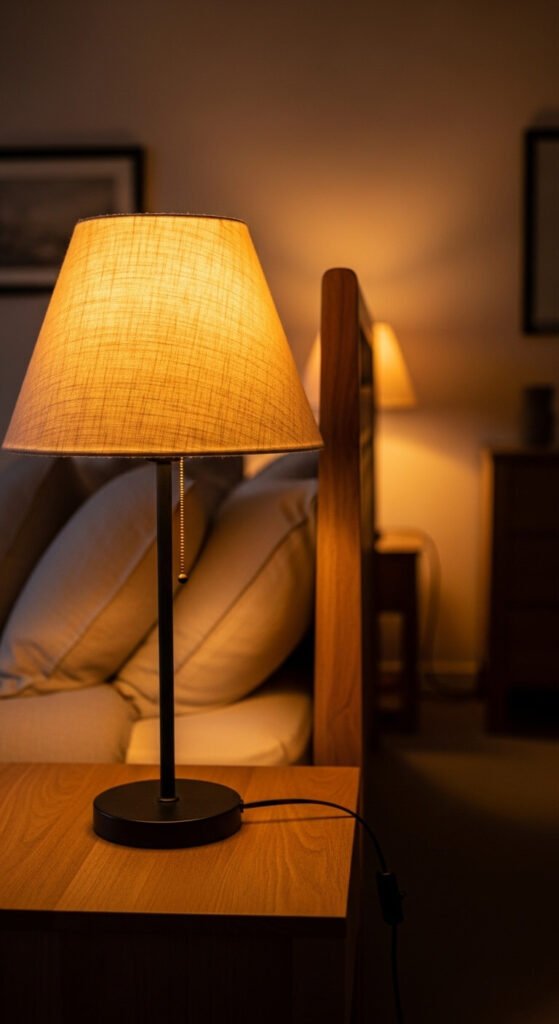
Cool white or blue-toned light bulbs tell your brain it’s daytime. Warm-toned bulbs — anything labeled 2700K or lower — create the amber glow that signals nighttime to your body’s internal clock. Swap out the bulbs in your bedside lamps first. A pack of warm LED bulbs costs under $10. Avoid using overhead lights after 8pm if you can. This single change can help you fall asleep faster, especially if you’re sensitive to screens or bright environments.
12. Roll Up a Cozy Rug at the Foot of Your Bed

Stepping onto cold, hard floor first thing in the morning is a jarring way to start the day. A soft rug at the foot of the bed adds warmth, absorbs sound, and makes the room feel more complete. You don’t need an expensive one — a woven cotton or jute rug works well and costs as little as $20–$40 at discount stores. Even a small 2×3 foot rug makes a difference. It adds a layer of texture to the room without overwhelming the space.
13. Create a Simple Wind-Down Shelf
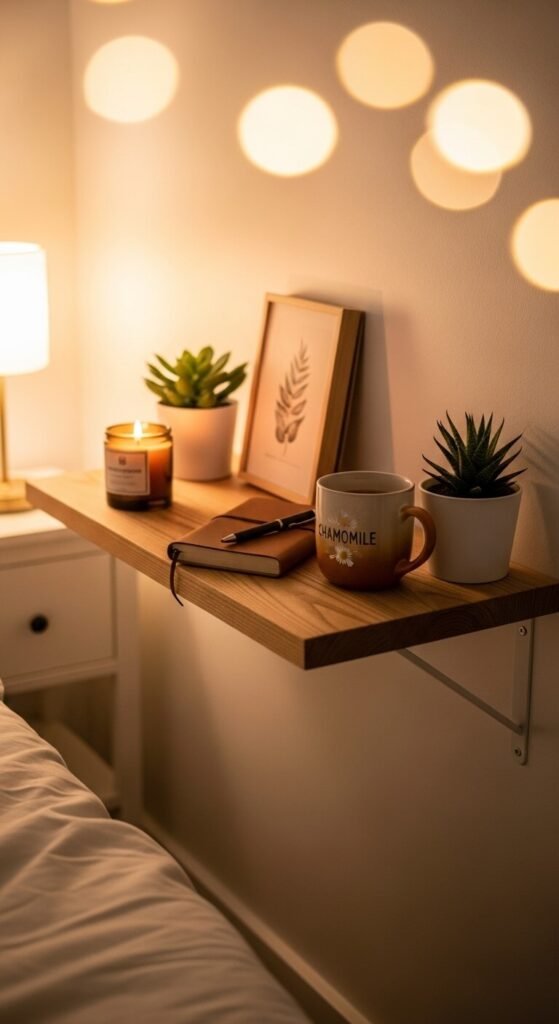
Your bedroom should support a calming pre-sleep routine. A small wind-down shelf near your bed holds everything you need: a candle, a journal, a book, and maybe a cup of herbal tea. Mount a simple floating shelf from IKEA or a hardware store for under $15. Keep it curated — only things that help you relax. Having your wind-down tools in one visible spot makes it easier to actually follow through with the routine each night.
14. Use White Noise or a Small Fan for Background Sound
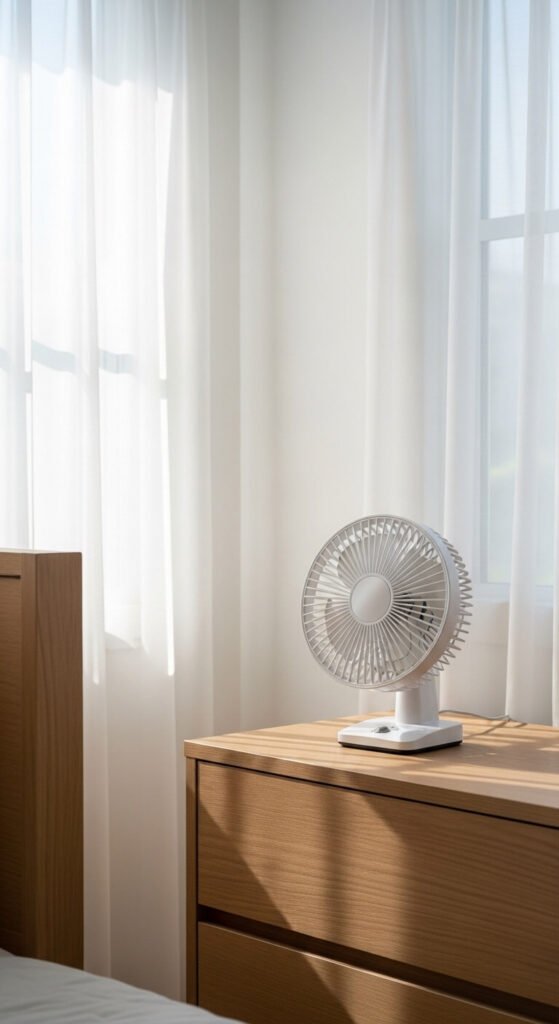
Street noise, neighbors, and random sounds can pull you out of deep sleep. White noise — either from a fan, a dedicated machine, or a free app — creates a consistent sound blanket that masks disruptions. A basic box fan costs around $20 and doubles as an airflow source during warmer spring nights. Place it across the room from your bed, not directly blowing on you. Even people who don’t think they need white noise often sleep more deeply once they try it.
15. Hang a Flowing Canopy Above the Bed
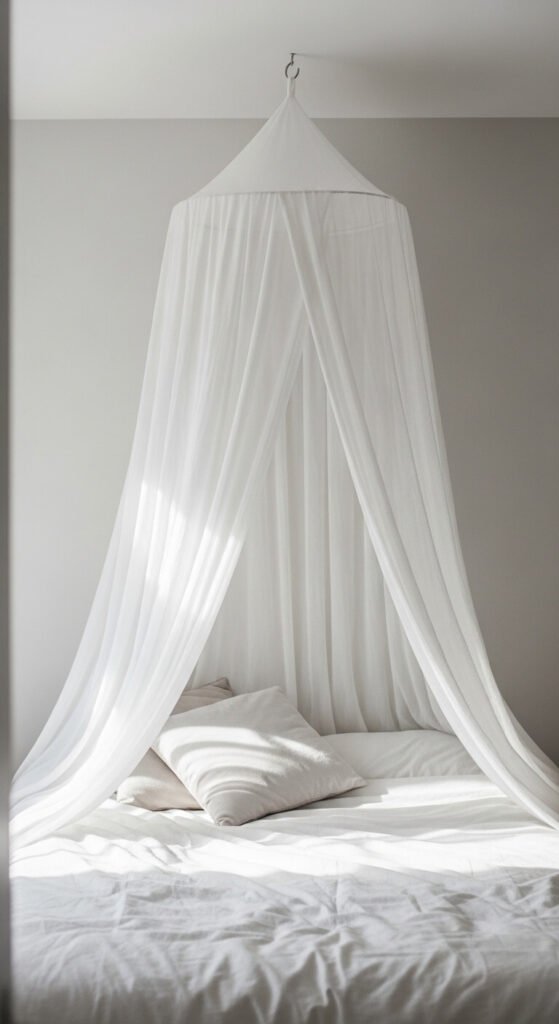
A canopy doesn’t have to be dramatic or expensive. A simple sheer fabric panel draped from a ceiling hook or curtain rod creates a sense of enclosure that many people find deeply calming — like a cozy cocoon. You can use any lightweight white or ivory fabric from a fabric store for under $15. The visual effect is beautiful and makes the bed feel like a retreat. It also softens the overhead look of the room without adding visual clutter.
16. Add a Small Tray to Organize Your Dresser Top
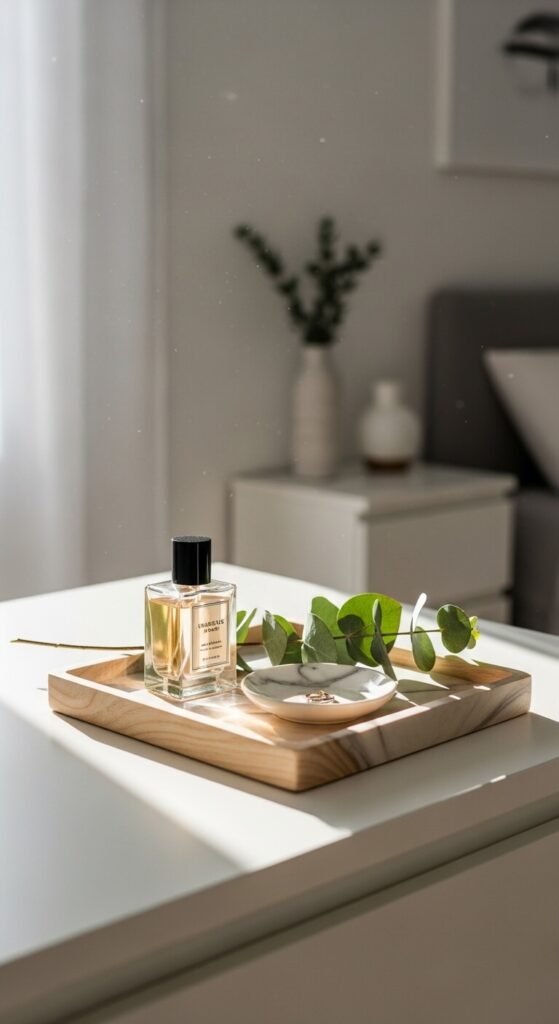
A messy dresser top creates the same low-level visual stress as a cluttered nightstand. A simple tray corrals loose items — jewelry, chapstick, a candle — and makes everything look intentional. Trays from the dollar section at Target or TJ Maxx run $5–$10. Keep only what you use daily on the tray; store everything else out of sight. A styled dresser top signals to your brain that this room is calm and organized, which makes it easier to relax when you get into bed.
17. Store Your Phone Outside the Bedroom at Night
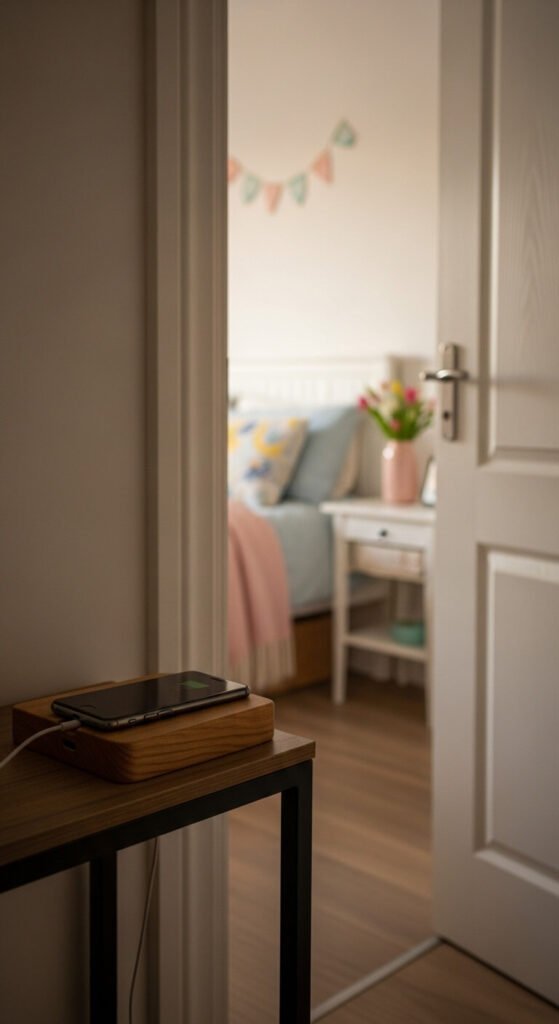
This one is simple but powerful. Charging your phone outside the bedroom removes the temptation to scroll before bed and eliminates the notification sounds that disrupt sleep. Use a basic alarm clock instead — you can find one at a dollar store for under $5. The first few nights feel odd, but most people notice they fall asleep faster and wake up feeling less anxious. Put the charger in the hallway or living room and make it a firm rule.
18. Add a Dried Flower Arrangement to a Corner Shelf
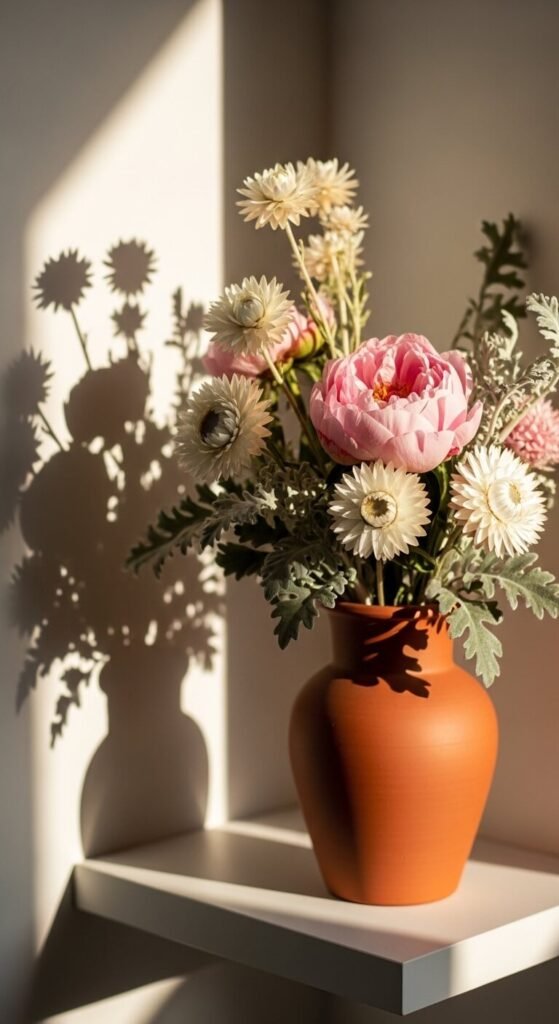
Fresh flowers are beautiful but require upkeep. Dried flower arrangements last for months and still bring the warmth and texture of nature into your space. Dried pampas grass, lavender bunches, and preserved eucalyptus are all easy to find at craft stores like Hobby Lobby for under $15 per bunch. Place them in a simple vase on a shelf. No watering, no wilting. The soft, muted colors of dried botanicals look especially beautiful against white or sage green walls.
19. Try a Beeswax or Soy Candle for Evening Wind-Down
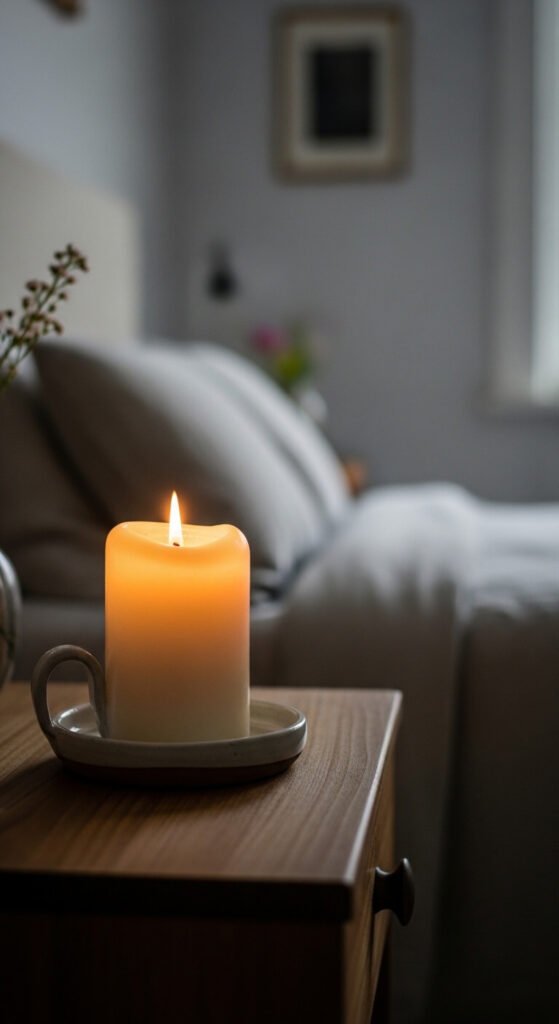
Synthetic candles release chemicals that can irritate airways and disrupt sleep quality. Beeswax or soy candles burn cleaner and emit a subtle, natural scent. Look for unscented versions if you’re sensitive, or try scents like chamomile, sandalwood, or cedarwood that are linked to relaxation. Small soy candles start at around $8. Light one about 30 minutes before bed and blow it out before you sleep. The act of lighting a candle signals your body that the day is done.
20. Use Drawer Dividers to Organize Bedside Clutter
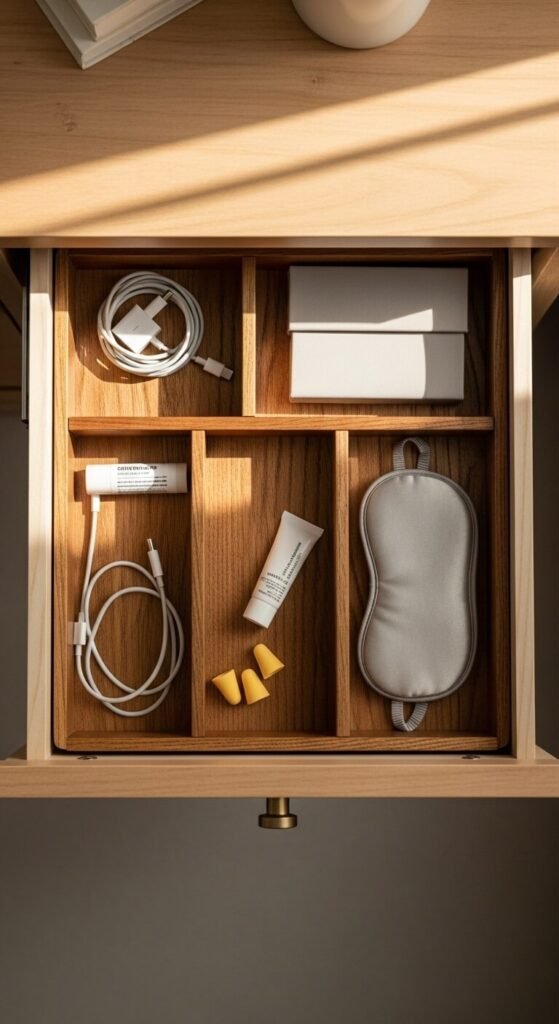
A chaotic drawer is still chaos — even when it’s closed. Bamboo or cardboard drawer dividers keep your nightstand drawer tidy and mean you can always find what you need in the dark. Sets of dividers cost under $10 on Amazon or at IKEA. Assign a spot for your sleep mask, earplugs, lip balm, and charger. When your sleep environment feels organized and intentional, it’s easier to mentally “switch off” at night. Small organization wins add up fast.
21. Place a Small Bowl of Potpourri on the Windowsill

Natural scent in the bedroom creates an immediate sense of calm. Dried potpourri — a mix of rose petals, lavender, dried citrus, and cinnamon — releases a gentle fragrance without the need for candles or plug-ins. You can buy a bag for under $5 or make your own by drying flowers and peels on a baking sheet at low heat. Place it in a small open bowl near a window where air can circulate. Refresh it with a few drops of essential oil when the scent fades.
22. Hang a Simple Macramé Wall Piece

A bedroom wall that’s too bare can feel clinical. A simple macramé wall hanging adds warmth, texture, and a handmade quality that feels grounding. You don’t have to make one yourself — small macramé pieces are widely available on Etsy or at HomeGoods for under $25. Choose a natural cotton tone that complements your color palette. Hang it above the headboard for a focal point that’s calming to look at without being visually stimulating. It’s a cozy alternative to artwork.
23. Add a Bedside Book Stack Instead of a Bookshelf

You don’t need a full bookshelf in the bedroom. A small stack of two or three books beside your bed is enough — and it creates a beautiful, intentional look. Swap books out as you finish them. Reading before sleep is one of the most effective ways to help your brain transition out of alertness. Physical books are better than e-readers here because screens emit sleep-disrupting light. Keep your current read on top and two backups below. It’s practical and decorative at once.
24. Open the Window for 10 Minutes Each Morning

Indoor air can be stale after a night of sleep. Opening your window for just 10 minutes each morning flushes out carbon dioxide and brings in fresh oxygen, which can make you feel more alert and support better sleep quality the following night. It also exposes you to natural morning light, which helps reset your circadian rhythm. On cool spring mornings, the fresh air is especially pleasant. Make it part of your routine: open the window, make your bed, start your day.
25. Use a Sunrise Alarm Clock
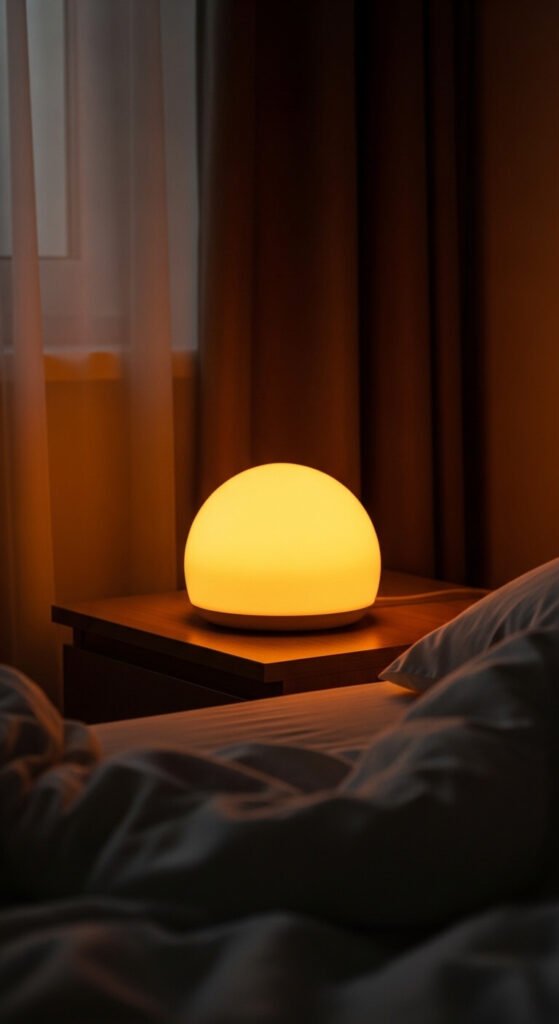
Waking up to a blaring alarm is a stressful way to start the day. A sunrise alarm clock gradually increases light over 20–30 minutes to simulate a natural dawn, helping you wake up gently before the alarm sounds. Many people feel significantly less groggy using one. Options start around $30 on Amazon. It’s one of the higher-cost items on this list, but the impact on your morning mood and energy is hard to overstate. Pair it with a warm-toned lamp in your bedroom for a fully consistent lighting environment.
26. Fold and Store Extra Blankets in a Wicker Basket
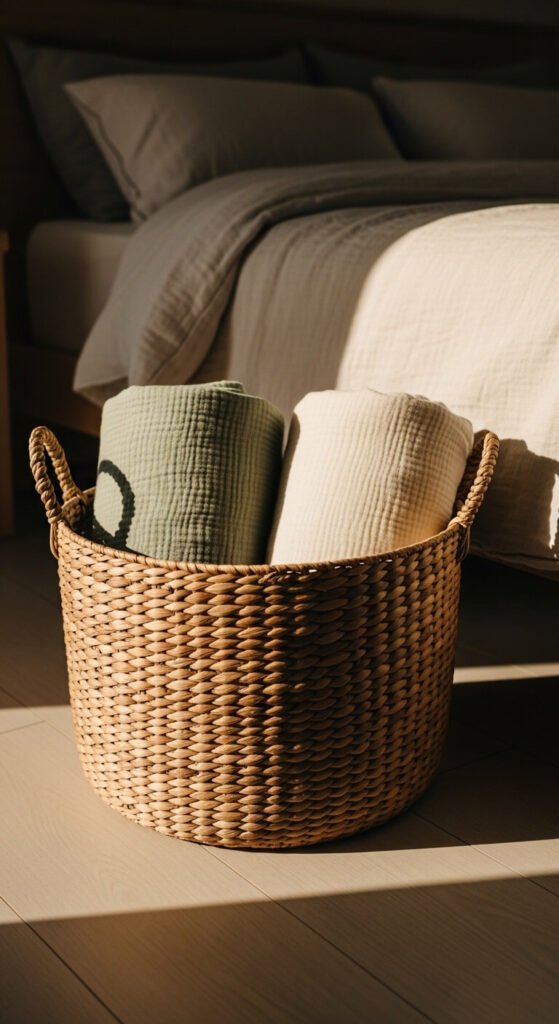
Extra blankets tossed on chairs or the floor create visual mess. A wicker storage basket gives them a designated home while adding a natural, textural element to the room. Round or oval wicker baskets start at around $15 at IKEA or HomeGoods. Fold your lightweight spring throws inside and keep the basket at the foot of the bed. It’s functional storage that looks intentional and styled. Pull a throw out on cool nights without having to rummage through a closet.
27. Use a Pillow Mist Before Bed

A pillow mist — a light spray of lavender, chamomile, or sandalwood water — takes two seconds to use and can genuinely help you fall asleep faster. The scent cues your brain that it’s sleep time, especially after a few nights of consistent use. You can buy a small bottle at TJ Maxx or Target for under $8. Or make your own: mix distilled water with 10 drops of lavender essential oil in a small spray bottle. Mist your pillow lightly two or three times before bed.
28. Choose Bedding in a Single Calming Color Family
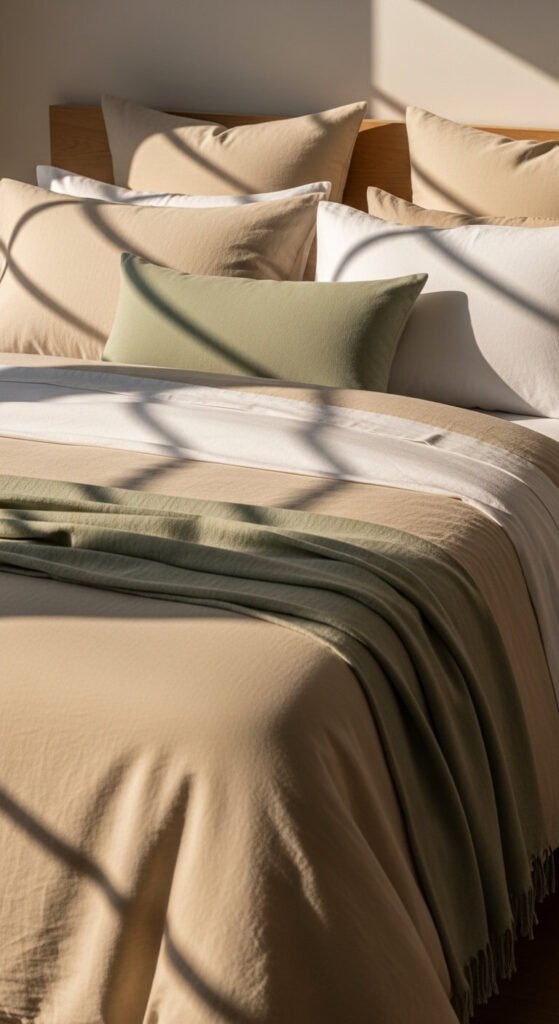
Busy patterns and bold colors in bedding can be visually stimulating — not ideal for a sleep space. Sticking to one calming color family — whites, ivories, soft greens, or warm taupes — creates a cohesive, restful look. Mix textures instead of colors: smooth cotton, waffle weave, and linen all in the same neutral tone. You don’t have to buy new bedding all at once. Start with a new duvet cover in a calm tone, then build from there. Bedroom makeovers work well when done gradually.
29. Write Three Good Things Before You Turn Off the Light
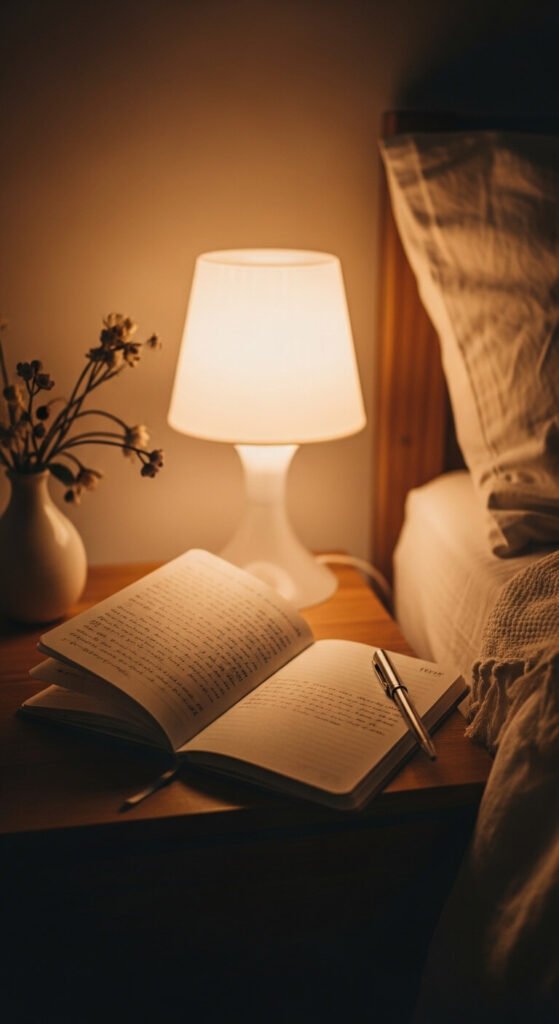
This isn’t a decor tip — it’s a sleep tip. Writing three things that went well today before bed shifts your brain from problem-solving mode into a calmer, more appreciative state. It takes under two minutes. A small notebook from the dollar store works perfectly. Keep it on your nightstand beside your pen. People who practice nightly gratitude journaling consistently report falling asleep faster and waking up in better moods. Pair it with your lavender candle, your warm-toned lamp, and your calming bedroom — and sleep becomes something you actually look forward to.
Conclusion
A bedroom that supports good sleep doesn’t require a big budget or a full renovation. As this list shows, the most meaningful changes are often the simplest ones — swapping a light bulb, clearing a nightstand, adding a plant, or misting your pillow before bed. Spring is a natural time to reset your space, and each small step you take builds toward a bedroom that genuinely feels like a retreat. Pick two or three ideas from this list and start this weekend. Once you see how much easier it is to fall asleep in a calmer, more intentional space, you’ll want to keep going.